|
Getting your Trinity Audio player ready...
|
GTI Asset Management and Trust Limited is one stakeholder excited about Remo Stars FC of Ikenne’s emergence as the Nigerian Professional League 2024/25 champions.
The investment management company invested significantly over three years to develop the Nigerian Professional Football League. Funding remains central to the new league. However, the change extends beyond finances, including structures, organisation, compensation, sponsorship, and discipline.
Remo Stars is the first privately-owned football club to win the league in its new format. It took Remo Stars three attempts to climb the ladder. They were runners-up in each of the three seasons before 2024/25.
Remo Stars will bag N200 million for winning.
Nelson Ine, Executive Director of GTI Asset Management, has advocated for the new vision.

Working alongside the Nigerian Football Federation and the National Sports Commission, GTI claims it has facilitated and funded the smooth operation of the NPFL for three seasons since 2022/23. Their activities have restored discipline and integrity in officiating and enhanced the live broadcast of matches for local and global audiences.
GTI invested a take-off fund of N200 million for the 20 NPFL clubs at the beginning of each season and offered a winning prize of N100 million for the first season and N150 million for the second season. It has also established a system of accountability and transparency in the league’s financial management, creating a conducive environment for partnerships with sponsors for the NPFL.
The Nigerian league is now aligned with the international football calendar.
What motivated GTI Asset Management and Trust Limited to invest in the league, and what are their plans for involvement?
GTI views the Nigerian football league as a potential gold mine for profitable investment. They have created the Nigerian Football Fund, which is registered with the Securities and Exchange Commission. “It is an investment scheme for the sports sector with entry via football. Football is a low-hanging fruit.”
The Nigeria Football Fund will pull money from investors to intervene in viable sports assets.

“The only way the league can generate and guarantee revenue is to run efficiently. It will then attract global partners like those in professional leagues.”
GTI’s journey to date took 15 years. Because of a misunderstanding, it took ten years to get the SEC’s acceptance and validation. With the approval, GTI launched the Fund on 22 March 2022. It commenced the move to become partners with the NPFL in December 2022.
From 2023, GTI financed the league’s operations to reposition it to attract brands. It energised the television coverage in association with Propel Sports Africa. NPFL matches now enjoy live broadcasts on StarTimes DTH and Digital TV.
GTI reports that it has gradually regained backers’ confidence and is overcoming the trust deficit caused by the past poor financial and operational management of the Nigerian league.
Now clubs know what they can earn each week. Match officials and players also receive this information through their clubs. Clubs receive 60 per cent of the revenue.
Even so, GTI walks a tightrope. Ine asserts that Corporate Nigeria is part of the problem for the league. How and why? They invested little yet expected huge dividends and were also impatient for returns. Now, they hope that with greater stability and sustainability, sponsors will readily invest in the Nigerian league and the President’s Federation Cup.
GTI invites wealthy Nigerian investors to pay attention and consider investing in football as club owners or through a vehicle registered with the SEC.
Financial discipline is now in the league, and operations run more smoothly. Discipline is high due to applying both the carrot and the stick. Clubs receive their due but also face sanctions when necessary. Teams now strive to win matches away. Teams that fail to control their fans incur financial penalties.
I asked Nelson Ine, ” What makes the GTI effort different?” His response indicated that it concerns the difference between ownership and management.
Ine stated, “GTI is not a sponsor. GTI is a solutions provider that took over to ensure the competitiveness and sustainability of the league. The Nigerian league is a field of dreams with room for growth.”
NPFL welcomes sponsors. Title sponsors will have the league in their names for the duration of their sponsorship. Examples include the Guinness Nigeria NPFL League or the Airtel NPFL League. They should expect to invest a significant amount in billions annually. Official sponsors, such as the Official Insurance Sponsor, oversee industrial categories.
Remo Stars FC is the flagbearer of the league that will emerge.
Mr Kunle Soname is the savvy investor who has put resources behind Remo Stars FC; he also owns ValueJet Airlines and the betting firm BetNaija. He has received accolades from the Ogun State governor, Dapo Abiodun, and various
football stakeholders.
According to Wikipedia, in 2022, Remo Stars FC had a market value of €1.5 million.
The industry suspects that Mr Soname’s investment will prove foresight. There is money in Transfers, gate receipts, merchandising, branding, and sponsorship. Mr. Soname has extensive experience owning and managing a football club in Portugal.
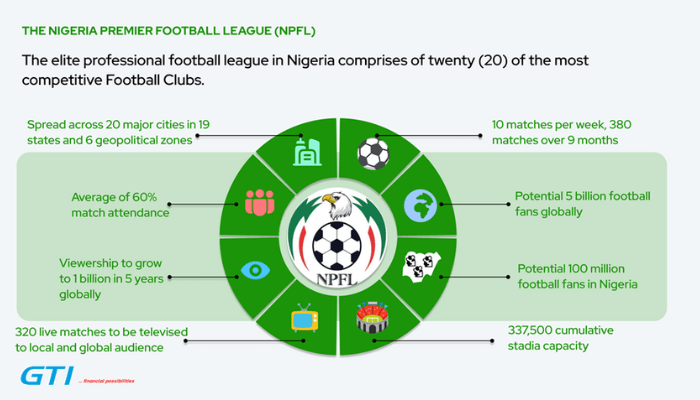
GTI hopes that commercialising the league assets will create a football economy of $500m (five hundred million dollars) in five years. The goal is to make the NPFL one of the Top Five leagues in Africa.
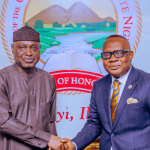
Mr Nelson Ine

BOX 1.
A steady rise from FC Dender to NPFL champions
The club was founded in 2004 by Kunle Soname as FC Dender.
In 2010, the club’s continuous hard work led to their promotion to the second tier of Nigerian football, the Nigeria National League (NNL).
Further development prompted the club’s management to rebrand the organisation. This rebranding included a change of name when FC Dender relocated to its current base in Remoland and changed its name to “Remo Stars Football Club. ” They played in the top division of Nigerian football, the Nigerian Premier League, following their promotion in 2016.
In 2018, Remo Stars were relegated from the Nigerian Professional Football League (NPFL) to the Nigeria National League.
In September 2021, Remo Stars secured promotion to the Nigeria Professional Football League (NPFL) after finishing second in the Nigeria National League (NNL) playoff Group A.
Remo Stars defeated Niger Tornadoes to secure their first ever Nigeria Premier Football League title on the 27th of April 2025 thereby becoming the first Southwest club since 1991 when Julius Berger won it.
The Remo Stars drew an average home attendance of 706 in the 2023–24 Nigeria Premier Football League.
Colour
Remo Stars FC are also known as Sky Blue Stars. Their primary colour is Sky Blue, while the away strips are yellow, and the alternative is white.
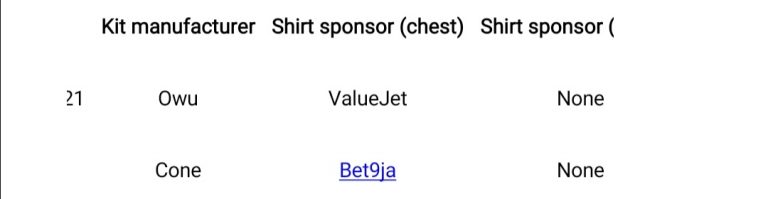
Kits and sponsorship
Stadium
As a developing amateur team, Dender FC, now Remo Stars FC, played and trained at a local pitch in Ketu, Lagos State.
The club then relocated to Remo Land in Ogun State and rebranded as Remo Stars FC. They played their home matches at Dipo Dina Stadium in Ijebu Ode until their promotion to the Nigeria Professional Football League for the 2017–2018 season.
Remo Stars then moved to the Gateway International Stadium in Sagamu for their first season in the Nigeria Professional Football League.
Remo Stars FC plays its home matches at the newly constructed Remo Stars FC Stadium in Ikenne’s.
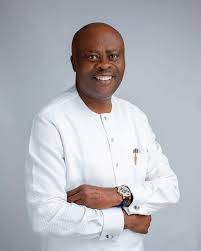
Mr Kunle Soname
Box 2
How the English Premier League became a hot cake with fans, players and investors
The English Premier League is a tried-and-tested model for emulation by the NPFL. The EPL was rebooted after problems on the pitches, crowd challenges, and inadequate income. The clubs came together to draw up a workable scheme.
The EPL’s rise showcases a masterclass in leveraging media, markets, and modernity while preserving the game’s essence.
The English Premier League (EPL) has evolved into a global phenomenon, captivating fans, attracting top talent, and drawing significant investment through strategic innovation, globalisation, and dynamic management.
Key elements include
1. Strategic Restructuring and Commercialisation
Founded in 1992: The breakaway from the Football League aimed to maximise commercial potential, particularly through TV rights.
Lucrative Broadcasting Deals:
The first Sky TV deal (£191 million over five years) revolutionised revenue. Recent deals have surpassed £5 billion in the past three years, financing player acquisitions and infrastructure.
Global broadcasting in 200+ countries, with tailored scheduling for Asian and American audiences, expanded its international footprint.
2. Globalisation and Marketability
Language Advantage: English is a global lingua franca that facilitates worldwide marketing.
Cultural Appeal: Clubs such as Manchester United, Liverpool, and Arsenal have built global fan bases through tours, social media, and iconic branding.
Star Power: Signing international superstars (e.g., Cristiano Ronaldo, Thierry Henry, and Mohamed Salah) attracted diverse audiences and sponsors.
3. Competitive Balance and Drama
Unpredictability: Unlike leagues dominated by one or two clubs (e.g., La Liga, Bundesliga), the EPL’s “Big Six” (and rising challengers like Newcastle) ensures title races remain open.
Promotion/Relegation: The threat of relegation and reward of promotion keep lower-table matches compelling.
4. Financial Ecosystem and Investment
Revenue Streams: Broadcasting: 50% of total revenue.
Sponsorships: Collaborations with global brands (e.g., Nike, Emirates, Barclays).
Matchday & Merchandising: Modernised stadiums (e.g., Tottenham’s £1 billion arena) and global merchandise sales.
Ownership Models: Attracts billionaires, consortiums (e.g., Chelsea’s Boehly-led group), and nation-states (e.g., Manchester City’s Abu Dhabi ownership), drawn by prestige and profit potential.
5. Fan Engagement and Experience
Digital Innovation: Social media dominance (EPL clubs top global follower rankings).
Streaming platforms, such as Amazon Prime’s live matches, cater to younger audiences.
Matchday Enhancements: Safe, family-friendly stadiums post-Taylor Report, with fan zones, hospitality suites, and interactive experiences.
6. Governance and Adaptability
Financial Fair Play (FFP): Aimed at sustainability, though debated for favouring wealthy clubs.
Embracing technology, VAR, goal-line technology, and data analytics enhances fairness and viewer engagement.
7. Cultural and Historical Resonance
Historic rivalries, such as the derbies in Manchester and Merseyside, and classic matches create enduring narratives.
Grassroots Development: Academies (e.g., Chelsea’s Cobham) produce homegrown talent, blending local identity with global appeal.
Challenges and Controversies
Financial Disparities: Wealth gaps between clubs spark debates over competitive fairness.
Ownership Ethics: Criticisms of sportswashing (e.g., Newcastle’s Saudi-led takeover).
COVID-19 Impact: Temporary revenue dips highlighted reliance on matchday income.
The EPL’s success stems from its ability to blend tradition with innovation, commercial acumen with sporting excellence, and local passion with global outreach. By prioritising fan engagement, competitive integrity, and financial growth, it remains the world’s most watched and lucrative football league, setting the gold standard in sports entertainment.