Nostalgic sentimentality, the belief that the past was better than the present, is currently ruling the wave in the country. Its trigger is the dashing of hopes arising from promises of a change from bad to good life. One out of the four-year mandate has gone and Nigerians are not happier.
In fairness to the present administration, it has not stopped trying to deliver change. There was the euphoria of a bail-out to several states unable to meet their primary obligations. This has hardly brought the intended succour. While some states were only able to pay 50percent of accumulated salaries, there have been widespread feelings that the payouts were imperiled by excruciating taxes. The citizens are being made to pay for the transgression of their past governors. How sad.
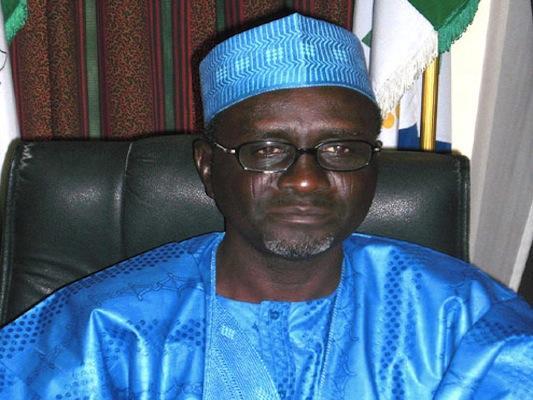
When you speak to people on the streets of Kano about the good olden days they could remember they mostly point to the Ibrahim Shekarau years. And they do so for many reasons. Shekarau governed Kano State from 2003-2011. In 2011, he tried to play at the national level by bidding for the presidential ticket of his then party, the All Nigeria People’s Party (ANPP).
The Shekarau years witnessed all-inclusive governance. Every stratum of the society was impacted. It was during the Shekarau days that, for the first time, the Alarammas were given sense of belonging. Until then, their existence was not accorded serious recognition.
The Alarammas are the teachers-cum-proprietors of the Quránic schools. The Shekarau administration, through a Special Adviser and a Tsangaya project, embarked on a mission to register the Quránic schools, proffer ways of integrating them into mainstream educational system of the state and, with some measure of success, attempted to empower them economically.
From the Alarammas Shekarau turned his attention to the pensioners, the senior citizens that past regimes had treated with undeserved scorn. He settled their back-log of pension claims dating about twenty years back. Indeed, the pensioners have never had it so good.
During his regime, workers were paid on time, bonuses created to motivate the civil servants; even as career development training programmes, long abandoned, were restored. Local governments were allowed to administer their funds that directly came from the Federation account without interferences. Since 2011 the story has changed for the worse. The LGAs in Kano today are in pitiable position. The morale of the LGA personnel has long been effectively killed and buried. People of the state have also forgotten how to elect local government representatives of their choice. In fact, since 2011, the state governors that have steered the affairs of the state have gone about their business as if there is nothing like third tier of government at all. Everything about LGA administration has been left at the whims and caprices of the man on the coveted seat of power in the state.
Youths were not left out during the Shekarau years either. He ran the largest youth empowerment scheme in the history of the state. His response to the yearnings of the people of Kano for the implementation of Sharia was conspicuous. His strengthening and institutionalisation of the Hisba was a rare display of social and state-craft expertise. The role Hisba is playing in social sphere of the state is invaluable. The institution is involved in, among many other functions, ensuring conformity to our social etiquettes and moral virtues; marriage counseling and helping those in need.
What is the force behind these successes of the Shekarau regime? I want to believe we can locate the epi-centre of that propulsion in his ideological orientation. Conversely, the lack of direction our nation is demonstrating today can be attributed to paucity of a well-grounded and articulated national ideology.
Inevitably, the path to progress for all nations is one- a well articulated philosophy as a foundation for a sound ideology; that for Africa and indeed the so-called third world nations philosophy will have no goal other than nation-building built on democratic ideals but with a humanistic coloration. Where can we find such a philosophy? Glad, we need not look far. Our visionary leaders of yesteryears once espoused such ideas. I am referring to the philosophy of Democractic Humanism once espoused by Malam Aminu Kano and put into practice at micro-level in two states in Nigeria- Kano and Kaduna during the Second Republic.
Glad we still have disciples of Malam Aminu Kano around. Not just around, these disciples are still active in Nigeria’s politics and applying the teachings of this philosophy in so far as the conditions they found themselves can accommodate. One such disciple is the subject of our discourse today- Malam Ibrahim Shekarau.
Shekarau has lent himself to the teachings of this philosophy in the way he governed Kano, as we highlighted above. His government is today remembered as the most humane regime in Kano in the manner of his much earlier predecessor, the progressive mass mobiliser, Abubakar Rimi, another student of democratic humanism.
Democratic humanism, as the name implies, is predicated on two ideals- democracy and humanism. It takes the most basic understanding of democracy as a system of governance that involves people having a choice and a say in how they are governed – and, by extension, a right to provide input into the process of political decision making. In this context, humanism is the placing of human needs uppermost in the scheme of governance and working towards the maximum amount of happiness for the maximum number of people. Humanism is not a philosophy that is built on defiance of religion or the apparent natural order of things in life.
It is time this philosophy is promoted at the national level. To achieve that, we need a national movement. At the forefront should be people who believe in democratic ideals complemented with provision of genuine human needs and not the glorification of greed cloaked in the promotion of private enterprise of the capital at the detriment of all other humanistic considerations.
People of integrity who have been tested with power and have delivered and are today being remembered with nostalgia should lead the way.
Those who believe in this path will do well to note that there will be resistance from within and outside the country. The fact of the matter is we had the misfortune of returning to democracy in 1999 at the time when the Western world was testing a new ideology of Economic rationalism. And for this ideology to gain currency and dominance, all other ideologies will be thwarted. And, true to type, since then no one can say for sure what ideological philosophy has guided Africa’s and other Third World nation’s journey towards national development apart from the pursuit of this economic rationalism.
In conclusion, the positive side of nostalgia is that it can increase one’s mood and positive emotions, which can stem from coping with prevailing circumstances. But beyond coping with prevailing circumstance, we need to act. We need to think, to articulate ideas, to embrace a philosophy that will help us build ideologies that will in turn herald the re-birth of a new and virile nation. And we don’t need to re-invent the wheel; let’s give democratic humanism a trial. So let the students of democratic humanism step forward and line up behind Shekarau.
Bashir Ibrahim Hassan