Nigeria’s fragile electricity sector is once again in the spotlight after the reported receivership of Ikeja Electric Plc, an unsettling development that analysts warn could be a precursor to similar outcomes for other power distribution companies (DisCos) soon.
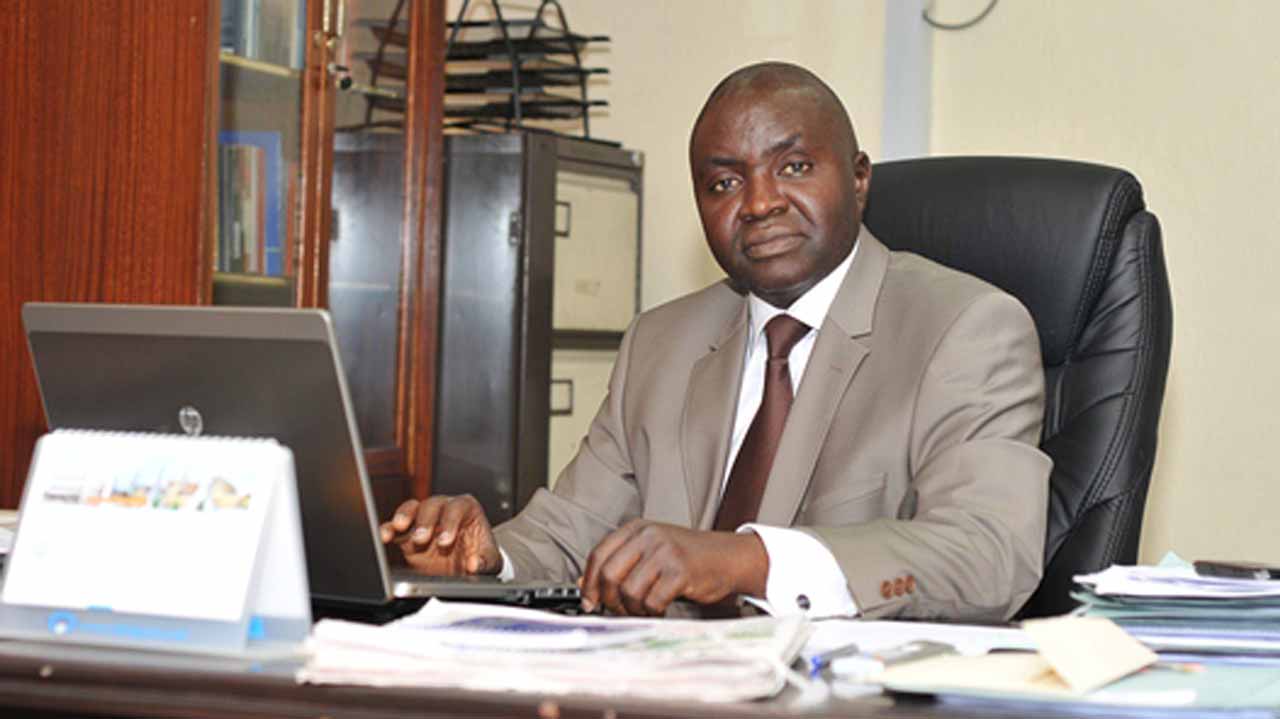
The incident underscores a deep-seated crisis that has gripped the industry since its privatisation in 2013. According to Muda Yusuf, director and chief executive officer of the Centre for the Promotion of Private Enterprise (CPPE), the challenges facing the sector have now reached a troubling conundrum.
“The problems stem from a flawed privatisation process, ageing infrastructure, the limited technical and financial capacity of the distribution companies, problematic pricing and tariff structures, coupled with affordability concerns among citizens and an unsustainable subsidy regime,” Yusuf said in a note sent to BusinessDay on August 6, 2025.
These structural weaknesses have created an acute liquidity crisis across the value chain — from generation to transmission to distribution — threatening the stability of a sector critical to Nigeria’s economic future.

Clashing Interests Fuel Sector Gridlock
At the heart of the crisis lies a series of irreconcilable interests: the commercial goals of private sector players such as DisCos and GenCos; the public’s demand for affordable power; industrialists’ push for investment‑friendly tariffs; and politicians’ desire to maintain voter‑friendly rates.
While private investors insist on cost‑reflective tariffs to cover operating and capital costs, both government and citizens have consistently resisted increases, citing widespread poverty and inflationary pressures.
“This created numerous contradictions and conflicts that require careful and painstaking strategic resolution. What has happened to the DISCOs is also partly a consequence of the prohibitive interest rate in the economy, given the high degree of leveraging of most of the DISCOs.,” Yusuf explained.
Adding to the financial strain is Nigeria’s prohibitive lending environment. With interest rates among the highest in decades, many DisCos — already heavily leveraged — are struggling to service debts and finance critical upgrades to their networks.

He added, “It is very difficult for any long-term project to survive the current excruciating lending rate in the economy”.
Read also: Nigerian electricity users owed over ₦70bn in May – Report
Why Ikeja Electric’s Fall is a Wake‑Up Call
The case of Ikeja Electric is particularly unsettling because the company has often been touted as the best‑performing DisCo in Nigeria, with one of the largest and most prosperous customer bases. Its descent into receivership, therefore, signals that no operator is immune from the systemic challenges plaguing the industry.
“This development suggests a similar fate could await other distribution companies in the near term,” Yusuf cautioned.
Indeed, four other DisCos, Abuja, Benin, Kaduna, and Ibadan, were already under receivership before Ikeja Electric’s troubles came to light. In each case, the intervention was triggered by lenders seeking to recover debts from operators unable to meet repayment obligations.
The Receivership Risk
Receivership, by its nature, shifts the focus from service delivery and sector development to debt recovery. Banks and other creditors, often with little interest in the operational or developmental aspects of the power sector, seek to recover their funds as quickly as possible — even if that means liquidating assets.
“In receivership, banks primarily seek to recover their funds, typically disregarding economic development, social, environmental, or productivity objectives,” Yusuf said. “The overriding objective would be debt recovery, even if it means liquidating the assets.”
Such outcomes could have disastrous consequences for consumers and industry alike, leading to further deterioration in power supply, loss of investor confidence, and a slowdown in economic activity.
A Sector Too Strategic to Fail
Given the centrality of electricity to industrial productivity, economic sustainability, and national security, Yusuf stressed that the federal government cannot afford to stand aside.
“The power sector is not just a business; it is crucial for economic development, economic sustainability, and economic security,” he said.
While acknowledging that structural reforms will take time, Yusuf called for immediate government intervention to stabilise the sector and avert a cascade of failures.
Read also: Electricity Act Amendment Bill propose sale of 11 DisCos over capital failure
Short‑Term Stabilisation and Long‑Term Reform
He urged policymakers to urgently craft a sustainable framework for resolving the liquidity crisis, rationalising subsidies, and ensuring that tariff adjustments are both economically viable for operators and socially acceptable for consumers.
In the short term, measures could include targeted financial support for DisCos, improved debt restructuring mechanisms, and incentives to attract fresh investment into critical infrastructure.
In the long term, Yusuf argued, the government must revisit the original privatisation model, address governance issues, and develop clear performance benchmarks for operators. Equally important is tackling electricity theft, metering gaps, and inefficiencies in billing and collection systems — problems that have long undermined DisCos’ revenue potential.
The Stakes Are High
The collapse of more distribution companies could plunge Nigeria into deeper power supply instability, reversing any progress made in recent years. For industries already grappling with high production costs due to unreliable grid supply, the consequences could be severe.
“The ultimate victims of a power sector collapse are citizens, industries, and investors,” Yusuf said.
As the Ikeja Electric saga unfolds, it has become clear that without decisive and coordinated action, Nigeria risks a chain reaction that could cripple its power sector — and by extension, its broader economy.
For now, the country’s most urgent task is to stabilise the sector, protect essential assets, and ensure that the failures of individual operators do not spiral into a nationwide blackout crisis.