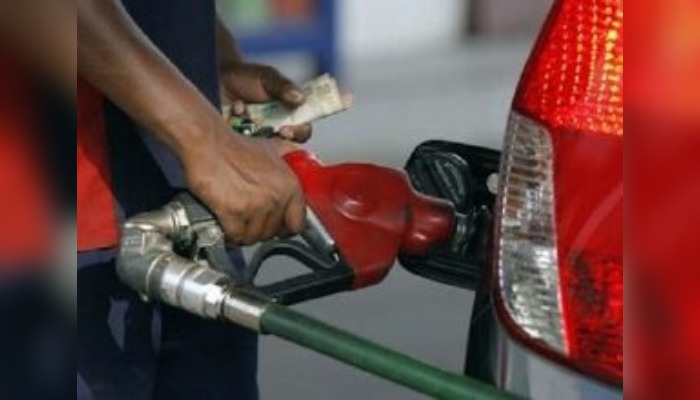
Failure of the government to include the provision for subsidy in its proposed 2018 budget is becoming an issue that cannot be relegated to the background.
The N8.621 trillion budget projected the exchange rate to be N305 to $1.
Many industry stakeholders have expressed concern about this as it is believed that there will be an extension in the reign of dollar subsidies.
“The position of the government about subsidies needs to be made clearer especially because the Nigerian National Petroleum Corporation NNPC is the main supplier of petroleum products in the country,” Bismarck Rewane CEO of Financial Derivatives Company (FDC) said at a seminar held by the Securities and Exchange Commission (SEC) in Lagos, over the weekend.
Sources tell BusinessDay that NNPC now imports about 80 per cent of petroleum products into Nigeria as fuel marketers no longer find it profitable to import and sell at a retail price of N145.
The NNPC, however, has denied claims that it incurs any subsidy costs, even as the Federal government dispels same by pointing to the non-provision for subsidy in the 2017 budget.
READ ALSO: World Bank says subsidy removal means fiscal savings for Nigeria
However, during a phone interview with BusinessDay Johnson Chukwu –MD of cowry associates explained that; “the government will deduct the subsidy payment at source i.e. it will be deducted from the federation account before it is distributed to the three tiers of government. Thus, in as much as it will pay subsidy, it will not be recorded as a direct federal government remittance. The N11.98 trillion the FG expects to get is the federally collected revenue which would be deducted as a top-line deduction before distribution is made.”
The NNPC recorded a whooping loss of N90 billion between January and July 2017 on the Direct Sale and Direct Purchase (DSDP) transactions and this figure would certainly be higher by the time it releases its monthly reports for August, September and October this year, BusinessDay analysis of the corporations data reveal.
The figure which was clearly stated as under-recovery in the NNPC monthly report indicates that the country is seriously bleeding because of its inability to deregulate the downstream sector of the petroleum industry.
READ ALSO: Electricity subsidy benefits rich Nigerians more – World Bank study
The price of crude oil has consistently been on the rise since OPEC and non-OPEC members decided to extend their production cuts to March 2018 during their last meeting held in Vienna.
By implications, it means the price at which the NNPC is buying petrol from the participants or successful bidders of DSDP is also at a very high price.
Crude oil prices, especially Brent which is the equivalent of the country’s Bonny Light prices had consistently ranged between $55 and $57 and on a few occasions went beyond $60 a barrel.
The DSDP which is basically a reversal of the SWAP agreements that was in place before the present administration came in place has only been able to achieve one objective according to some industry sources.
An official of an oil marketing company who does not want his name mentioned told BusinessDay that “one thing you can be sure of that this scheme has done is that it has guaranteed a steady supply of petrol but at a very high cost to the country” adding that at the moment there can only be fuel scarcity in the country if there is strike by the tanker drivers.
He said: “technically the scheme is still SWAP but unlike before when those that were engaged in the scheme would get the crude oil and bring the product. In this case, they would have to bring the product first before they get an allocation to lift crude oil in place of the product.’’
This arrangement, he said reduces the risk of marketers taking crude oil to sell and keeping the money in the bank to earn interest before they go to purchase products and bring to the country.
Dolapo Oni, head of energy research with Ecobank said the arrangement while ensuring that Nigeria does not suffer from fuel scarcity is being done at a very great cost to the country because as the price of crude oil goes up it would also affect the price of refined products.
READ ALSO: Where is the 2018 budget?
He said it would have been better if the refineries are working so that a higher percentage of the products that are imported into the country are refined domestically.
Further investigations revealed that the scheme has placed some limitations on the supply of other products such as jet fuel because NNPC is using the bulk of the dollars from DSDP to purchase only petrol and kerosene most of the time.
Maikanti Baru, group managing director of NNPC said recently that it has a stock of over two billion litres of Premium Motor Spirit (PMS) or petrol, to ensure a hitch-free end-of-year movement of motorists, a period hitherto sometimes characterized by supply and demand disequilibrium.
With this volume, it means the country has 70 days fuel sufficiency going by the country’s average consumption rate of 30 million litres per day.
Industry watchers say the other critical objectives of DSDP when it was conceived by Emmanuel Ibe Kachikwu, the Minister of State for Petroleum Resources was to make NNPC a better trading company just like the Saudi Aramco or other national oil companies and provide an efficient service.
They are however lamenting that the corporation is always using middlemen which most often increase the cost of crude oil and make it difficult for end buyers to access the commodity.
“Subsidy is reverse taxation. In taxation, government collects money from its citizens but in subsidy government reduces price, so tax is reversed. When this happens, government expense is increased on several occasions which might not really be projected in the budget and the end disorganises the implementation of the budget,” said Tunde Kamali head of international relations at SEC.

OLUSOLA BELLO, ANI MICHEAL & WATEMI ETHEL