Experts in the power sector weekend, speaking at Nextier Power Dialogue, called on the federal government to work out cost-reflective tariffs as well as address the huge metering gap, to attract more investments and create liquify for the power sector.
The experts while contributing to the Electricity Hub’s Power Dialogue, titled: “The Funding Conundrum II -Attaining Sustainable Grid Balance”, organized by Nextier Power, observed that Nigeria’s electricity market has been and is still experiencing a severe liquidity crisis.
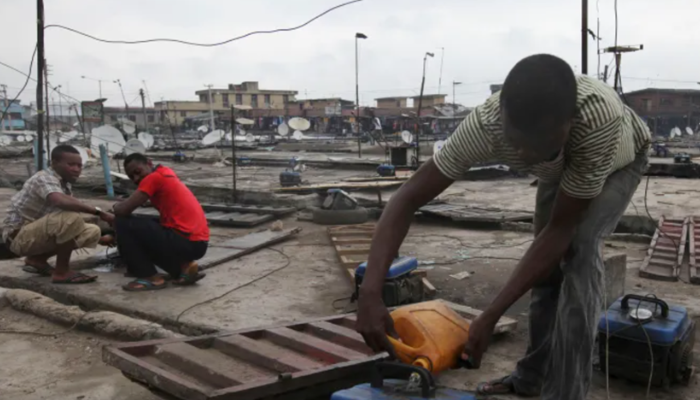
They noted that the rising debt profile and liquidity crisis have hampered new investments in the sector across the electricity value chain. They also identified several other factors, such as the absence of cost-reflective tariffs and huge metering gaps, which have contributed to the lack of adequate financial investments in the sector.
The experts expressed concerns about the bankability of the current off-grid projects and the issues of investment and diversification of on-grid projects. Frank Edozie, Program Officer, Power, United Kingdom Nigeria Infrastructure Advisory Facility (UKNIAF); who gave a brief background on the on-grid sector, highlighted specific roadblocks hindering Nigeria’s on-grid and off-grid development.

Edozie, advised government on the need to redesign the funding strategies, breaking the stereotypes and making the funding more accessible.
Read also: Tinubu says climate change is not Nigeria’s problem. What a smart aleck!
On Nigeria’s Energy Transition Plan and 2060 Net Zero Vision, Edozie noted that “ using gas has to be sensibly approached to avoid losing sight of the net zero goal.
“The power sector is very complex. There is a need for a strategic plan for energy generation, distribution, loans and the entire transition plan. He said Nigeria has enough resources, but it is easy to lose focus on combining them”, he said.
Muhammad Wakil, the Country Representatives, Global Energy Alliance for People and Planet (GEAPP), while speaking on the challenges affecting sustainable investment in the on-grid sector, emphasized the need to accelerate investment in the off-grid space and ensure the return on investment (ROI).

“We must strive for lasting solutions to Nigeria’s electricity crisis, while project financing should be long-term, based on demand and supply.
Wakil noted how the implementation is critical in distribution and generation, adding that “DisCos could not recover the investment, which is a significant distribution problem. The Gencos will need to put more effort into investing in the Discos.”
Anita Otubu, Head, Program Management Unit- Nigeria Electrification Project, proposed the need for more awareness and effective metering systems.
“The Discos also need to supply power sustainably and effectively. This would ensure that there is no bypass in electricity distribution,” Otubu said.
Otubu suggested that promoting the energy sector across all platforms also needs new synergy, adding that “this would also need much technical and financial assistance to be sustainable.”