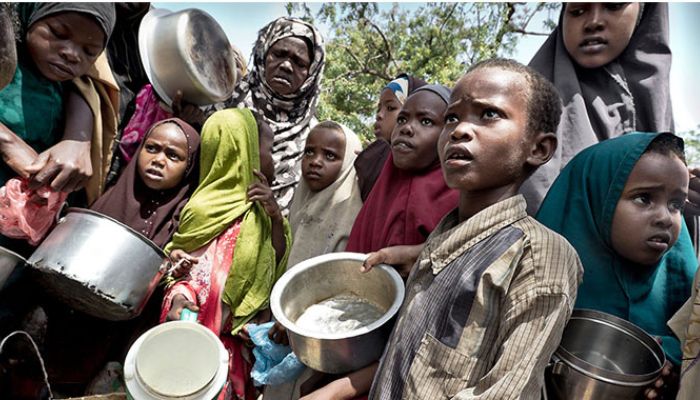
Poverty and cultural norms have been identified as major contributors to Nigeria’s ongoing malnutrition crisis, despite the country’s nutrition policies and programmes, experts have said.
This was disclosed during the fifth anniversary of News Balance and Media Communication held recently in Abuja.
The stakeholders warned that socio-economic pressure, traditional dietary practices and gaps in policy implementation continue to undermine efforts to improve maternal and child nutrition.
Judith Ugbodu, the programme manager at NOIPolls, noted the low awareness of maternal nutrition in Northern Nigeria, where fewer than 50 percent of women know the importance of taking micronutrient supplements before and during pregnancy.

Read also: Over 30,000 children treated for severe acute malnutrition in Kaduna – state nutrition officer
Ugbodu said even when information is available, adherence is often low due to side effects, misinformation and cultural beliefs.
Ugbodu highlighted the importance of the media in promoting accurate nutrition information, behavioral change and public education, especially among adolescents influenced by junk food advertising.
She urged the media to highlight real-life stories, successful programmes and cultural practices that affect nutrition.
A representative of the the Federal ministry of health, Ladidi Bako ,
Director of Nutrition, said maternal nutrition remains a priority because of its impact on maternal survival and child development.

Bako represented by Pharmacist Orume Beatrice, outlined initiatives including the National Policy on Food and Nutrition, Maternal, Infant and Young Child Nutrition (MIYCN) Guidelines, Micronutrient Deficiency Control Guidelines, Reproductive, Maternal, Newborn, Child and Adolescent Health (RMNCAH) + Nutrition Strategies, and programmes under the Basic Health Care Provision Fund (BHCPF) and Child Nutrition Fund (CNF).
She said, “Health workers nationwide have been trained on MIYCN standards, micronutrient supplementation, complementary feeding and antenatal nutrition. We ensure implementation through digital reporting, routine supervision and community-based reviews,”
Read also: Experts warn of rising malnutrition, drug-resistant infections as threats to public health
Also speaking , Nwachinmere Edith
President of the Nutrition Society of Nigeria (NSN), FCT Chapter, said poverty, food insecurity, cultural taboos and late antenatal attendance contribute to maternal malnutrition.
Edith, who was represented by Mrs. Oyegunle Adeola noted that “A malnourished mother gives birth to a malnourished child, continuing a cycle that produces a malnourished nation,” she said.
The stakeholders also raised concerns about Nigeria’s reliance on donor-funded nutrition programmes and underfunded health budgets. Experts stressed that long-term sustainability depends on increased government investment and noted that only 5.5 percent of the 2025 budget was allocated to agriculture, below the 10 percent target of the Maputo Declaration.
Stakeholders called for culturally sensitive, community-driven and data-informed strategies that integrate nutrition with education, family planning and economic empowerment.
However, experts said socio-economic and cultural realities often undermine these efforts.
The dialogue ended with agreements that Nigeria’s malnutrition crisis is not due to lack of policies, but a gap between policy and implementation that requires funding, monitoring and coordinated action across government, civil society and communities.
Read also: US donates $5m to tackle rising child malnutrition in Northwest Nigeria
Earlier, Bukola Afeni,Team Lead of News Balance Media, reaffirmed the organisation’s commitment to improving maternal and child health. She noted that access to nutrition services is essential, especially as poor maternal nutrition remains a major factor in low birthweight, preterm births, and developmental challenges.
The conference brought together health experts, policymakers, development partners, and media professionals to discuss evidence-based strategies, cross-sector collaboration, and policy reforms to strengthen maternal nutrition, including in humanitarian settings. News Balance Media urged stakeholders to continue supporting efforts to reduce malnutrition and improve the health of women and children.
Stakeholders called for stronger collaboration between the media, government, and health organisations to ensure maternal nutrition remains a national priority.