|
Getting your Trinity Audio player ready...
|
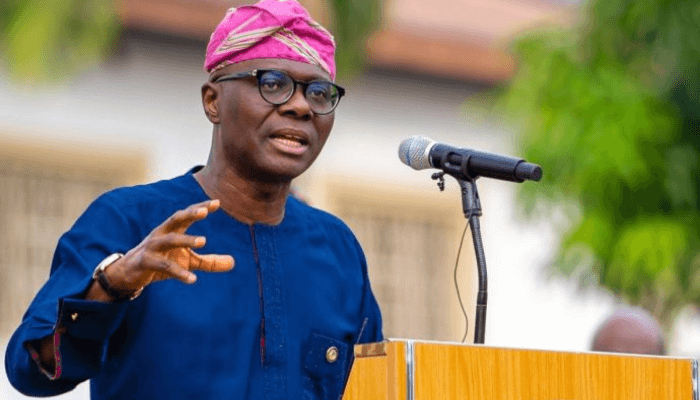
Babajide Sanwo-Olu, governor of Lagos State, has said that Nigeria’s transport future lies in the hands of visionary and consistent policy-making in building sustainable transportation systems.
Drawing lessons from countries like Singapore, Tokyo, Amsterdam, and Copenhagen, Sanwo-Olu noted that the nations did not achieve efficient transport networks overnight but succeeded through decades of deliberate planning, investment, and policy implementation.
the Lagos state governor, who was represented by Abimbola Akinajo, managing director of the Lagos Metropolitan Area Transport Authority (LAMATA), at the second edition of the Global Transport Policy (GTP) Intermodal Transport System Annual Roundtable held recently, cited Copenhagen’s cycling-first culture, supported by infrastructure and safety measures, and Singapore’s use of integrated land-use planning and technology to optimise urban movement.
He noted that multimodal transport, including ferries, bicycles, trams, and electric buses, is already a way of life in Amsterdam.

Read also: Sanwo-Olu advocates public-private partnership to build strong educational ecosystem
Sanwo-Olu emphasised that Lagos is taking the global lessons seriously, stating that through LAMATA, the state is implementing a multimodal blueprint aimed at integrating roads, rail, ferries, and walkways into a unified transport system.
He underlined the importance of continuity in infrastructure planning, urging that transport projects be insulated from politics and remain consistent beyond electoral cycles.
Oluwasegun Musa, chairman, Global Transport Policy, urged the federal government to adopt a deliberate political framework to address the sector’s myriad challenges.
Musa highlighted the importance of robust dialogue and policy synergy to attract investment and identify areas of need.

According to him, Nigeria must invest about $3 billion annually in transportation infrastructure to meet growing demands.
He warned that investors may struggle to identify viable opportunities without a clear policy direction.
“If there is no synergy between state and non-state actors, we won’t be able to develop policies that reflect industry needs,” Musa said.
Read also: Sanwo-Olu knocks Peter Obi for “de-marketing” Nigeria abroad
The event, which featured three roundtable discussions, included experts in land, sea, and rail transport, including Oritsematosan Edodo-Emore and Captain Giorgio Enrico Del Celo.
Edodo-Emore and Enrico Del Celo shared insights on best practices Nigeria could adopt to build a resilient and inclusive transport system.
Jama Onwubuariri, managing director of Trucks Transit Parks Limited, one of the discussants, also emphasised the need for holistic policies that close existing gaps and support private sector participation.
Onwubuariri stressed that investor-friendly regulations are essential for encouraging sustainable growth in the transport sector.