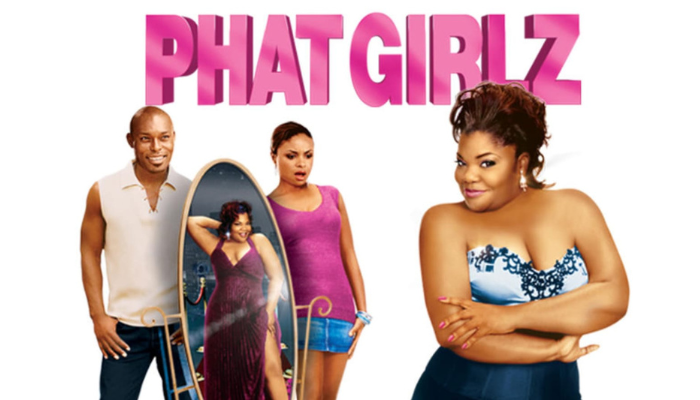
Nnegest Likké, creator of the groundbreaking film “Phat Girlz”, reflects on her journey as the movie celebrates its 19th anniversary. In a candid conversation, she discussed the inspiration behind championing body positivity, culture and why Nigeria remains at the heart of her storytelling. MICHAEL CHISOM brings the excerpts:
Congratulations on the 19th anniversary of Phat Girlz. What kind of emotions does this milestone evoke in you?
I’m ecstatic! It feels a bit surreal. As I reflect on when I was filming this movie 20 years ago, I remember the hopes I had for this film and its outreach. I was praying it would touch women worldwide, but especially African and African-American women, who the film is primarily made for. I wanted to make a film that would make people fall in love with Africa, particularly Nigeria, which I consider my third home after America and Ethiopia.
I am half Ethiopian, African-American and Nigerian, and I have been visiting Nigeria since I was 10 years old. I have worked extensively in the country, consulting, producing, and directing, and I have also served as a juror for the Africa Magic Viewers’ Choice Awards (AMVCA). I have family who live in Oyo State and some in Delta State in Isoko.

The success of this beautiful, Nigerian + American love story and its impact on multiple generations, including the younger generations who are just now discovering the film, is a blessing. This film, becoming a cult-classic, has blown my mind and surpassed my wildest dreams!
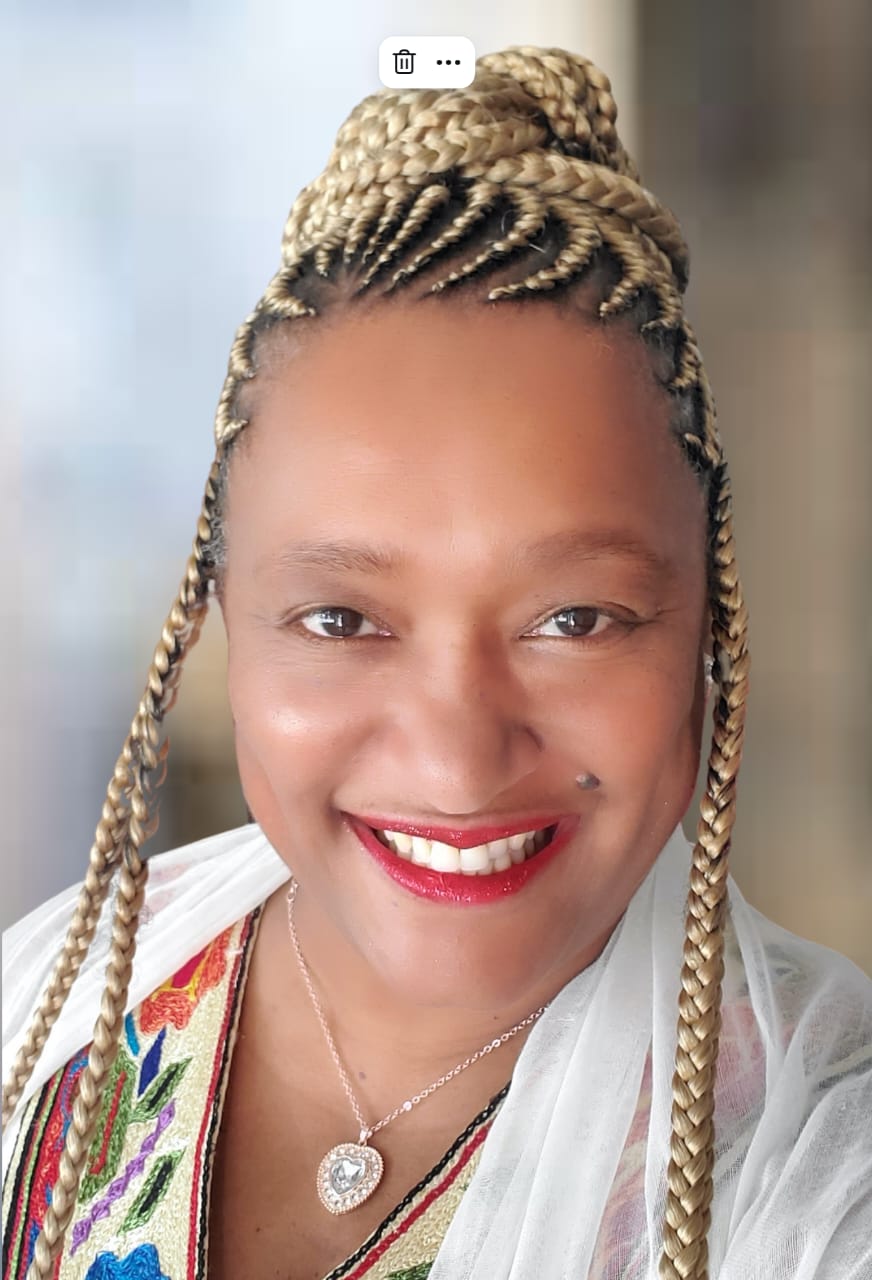
At the time, body positivity wasn’t a mainstream conversation. What inspired you to tackle this theme?
Well, I’ve always been a plus-size girl. And growing up in a “minus-size” world – which is America – where thin-is-in and fat-is-whack was very challenging. And hard on the self-esteem. It corrupted my self-image until I was old enough to realise I am beautiful. One of the things that helped me realise I was beautiful was all my trips to Africa growing up.
When I travelled to Nigeria and Ethiopia and other African countries with my mom when I was growing up, I always got compliments on my naturally thicker size, and even women would tell me it’s not good to be skinny. Their perception was that being skinny or too thin with “no meat on their bones” made a woman look malnourished and under-developed. Full figured was always preferred in Nigeria and Ethiopia back in the day when I was growing up. Things didn’t change until they started being influenced by America’s warped beauty standards and seeing all of those anorexic looking super models. Some of them looked like skin and bones, and the modeling industry made them starve themselves to look that way.

So at some point, I realised that beauty standards were just subjective depending on where in the world you live and what industry you work in. So I thought, I should make a movie about that and make it a comedy since I love writing comedy and making people laugh. I then came up with the storyline and included the Nigerian characters and love story element.
I was so inspired while writing that I finished the script in just 3 weeks. My reps loved it and sent it to Mo’Nique’s agent because she was who I had in mind when I was writing the dialogue. Well, Mo’Nique loved the script as well and called to tell me she was on board. I’m happy that thickness is now in in America and that the body-positivity revolution has begun because I will always be a thick madame!
Before Phat Girlz, how did Hollywood and Nollywood typically portray body image, and what gaps did you feel needed to be addressed?
Before Phat Girlz – and to a large degree even today- there is still body prejudice in the film industry. Bigger girls can get roles, but usually, the roles are not for romantic interest or leads. The characters are usually very flawed or undesirable or there for comic relief or support to the skinny “beautiful” friend. Phat Girlz is still one of the only – if not the only – Hollywood movies where a big girl has a genuine love interest, and the joke is not on her.
I actually can’t think of another film that big-ups big girls like Phat Girlz does. That means the problem still exists today in Hollywood. Not so much anymore in broader society. I notice more and more women having a healthy body image regardless of their size, and I love it. I can’t help but think Phat Girlz played a role in this shift, and I am delighted about that. I think Nollywood and Africa in general, are still much less-judgmental about women’s body types. In Africa, big women don’t have a problem finding a man, especially in the older generations. However in America, the problem still exists, though it has much improved.
Has the film industry’s perception changed over the years, or do you think there is still work to be done?
Definitely still work to be done. The film industry’s perception and treatment of non-thin women has not changed much. Arguably, roles are more diverse, and you can find actors and actresses of any size in movies. But it’s hardly ever in the lead role or a romantic role. Hopefully, Hollywood will catch up soon, or I’m going to go make Phat Girlz 2! Calling all Nigerian billionaire investors! Let’s make a movie.
What feedback or stories from viewers have stuck with you over the years?
Oh, there are so many! Every day, on social media platforms, especially on X, people are tweeting about Phat Girlz and how the movie impacted them. People say their lives have been changed, and it’s their go-to movie to feel better whenever they are feeling low. The posts are from people of all ages and races, including both males and females. Many are of the younger generation, age 20 and up. I thank God for using the movie to help and inspire people.
Another kind of feedback I get is from a lot of black American women telling me they want to go live in Africa and find a Dr. Tunde. I love it because it means the narrative shift is happening.
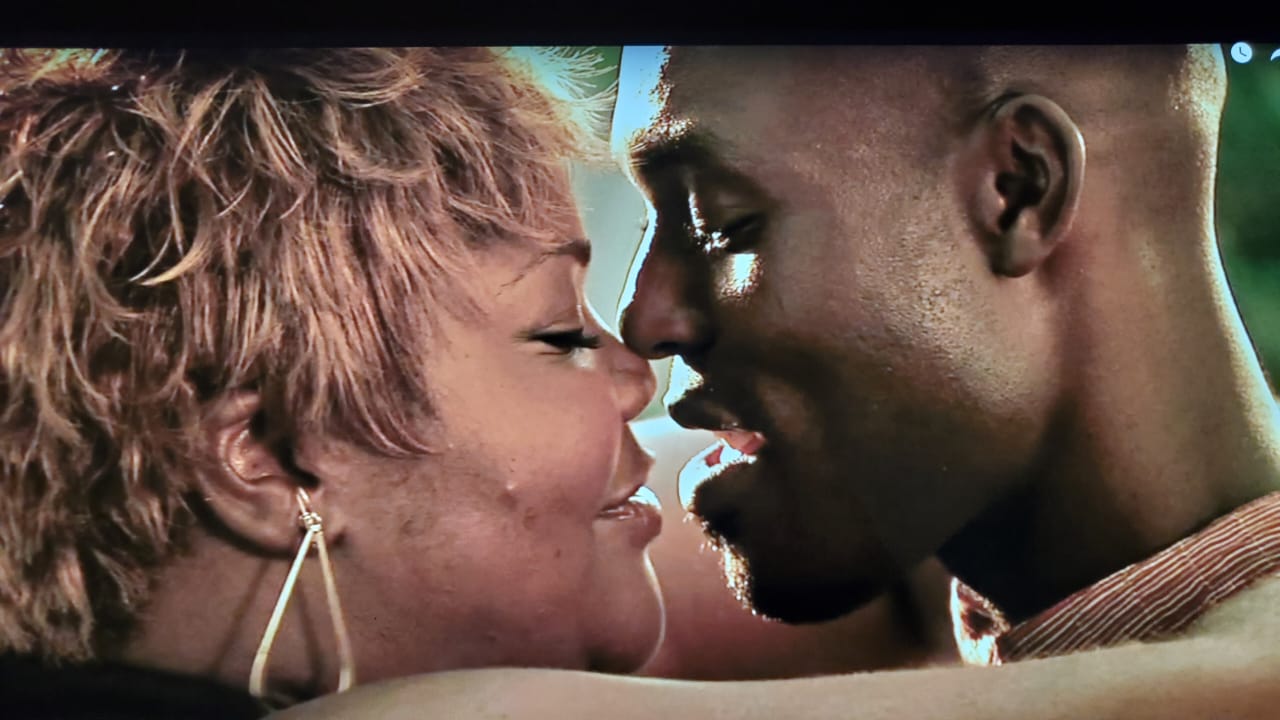
Do you feel that the film’s message still resonates with audiences today?
The film’s message resonates even greater today than it did when the film was released. Phat Girlz was way ahead of its time and mainstream culture’s just now catching up. When released, the film was targeted by various mainstream media critics in America who hated the pro-African message and the love-yourself-no-matter-your-size spirit. But what kind of person is against positivity and a beautiful movie promoting self-love? Now everyone’s saying: Africa’s awesome, it’s the new frontier! And body-positivity is good; let’s go get a BBL! Another message the film promotes is following your dreams and utilising your natural gifts to succeed. Don’t be afraid to try and try again, and never take no for an answer. There are so many great messages packed inside that 100-minute movie. So, if you haven’t seen it, now’s the time to check it out on its 19thyear anniversary.
You are known as a pioneer of cross-genre films. How did that happen for you in relation to Phat Girlz?
Well, I think my life represents a cross-genre. I’m half Ethiopian and African-American and Nigerian. I was born and raised in America but spent much of my childhood in Africa and also traveling around the world with my mom, who’s a jet-setter. She took me everywhere, not just African countries, but all over Europe and the Caribbean as well.
So I was exposed to so much and so many different cultures around the world; my diverse experiences naturally came out in my writing and informed the kinds of stories I tell. Some of my other films that people can go check out online include “Everything But A Man”, starring Jimmy Jean-Louis and the Netflix Original “A Sunday Affair”, which I wrote. Both of those films debuted at #1 on Netflix and remained top-trending titles among viewers.
Afrobeats is now a global sensation, but back then, it was still emerging. How do you feel about having played a role in introducing it to international audiences through ‘African Queen’?
I feel so blessed and honored to have played a role in introducing Afrobeats to international audiences through ‘African Queen. It was the best song of its day. Things have changed a bit now and seem to be moving more towards American-style hip-hop and R&B.
I want to encourage all the Afrobeats artists to maintain their originality, uniqueness and African-ness. Afrobeats without the “Afro” is just “beats”. Keep it African. Be different, new, and fresh. Keep reinventing yourself. Don’t follow American hip-hop – or any other style except your own. It’s ok to evolve, switch it up a bit, be influenced by another style and do some collabs with artists in other genres.
Don’t abandon your own original and organic style, that thing that sets you apart from the pack. ‘Cause Africa is where everything started and where it’s gonna end. Mama Africa is and always has been the true global leader and trendsetter, so don’t forget that you’re the blueprint. You’re the blueprint, never the photocopy. That applies to all arts, including music, movies, painting, fashion, designing, whatever your thing. Be you, and stay original. That’s why there’s only one Fela. One Bob Marley. One James Brown. One Michael Jackson. And One Kendrick Lamar. Be the one YOU.
I think Afrobeats as a genre is at a crossroads and needs to decide if it’s gonna be a follower or a leader. African Queen is an iconic song because as simple as it was, it struck a universal chord with the world. Everyone loved that song. There are a lot of hits in the Afrobeats genre, but will those songs stand the test of time and still be banging 20 years from now like African Queen is?
After all these years, what do you consider the film’s most important legacy to be?
Phat Girlz’ most important legacy is simply, love yourself. Love yourself like a fine diamond at all times, through thick and thin, ups and downs, and highs and lows. Never abandon or betray yourself or criticize yourself about anything. And don’t let anyone else do it either. Not a person or society. Embrace every single one of your body parts.
If there’s something you don’t like or wish to improve, work on it without judging yourself. Embrace all your so-called flaws because they are what make you unique. Consider the word “imperfect” and how it’s spelled. That word can either mean imperfect like it’s spelled, or if you add some space between letters, it can mean “I’m Perfect”. The same letters, but different spacing, gives it a different meaning.
How has engaging with Nigerian culture influenced your creative journey?
Greatly and magnificently! I wouldn’t be the filmmaker I am today if it weren’t for Nigeria and Nigerian culture. There are no other people on earth quite like Nigerians. They are the most resourceful and imaginative people on the planet. I hope to make many more films in the country and collaborate with more local Nigerian artists and filmmakers.