Nigeria may be facing another wave of fuel scarcity as petroleum marketers and truck owners protest the enforcement of a N12,500 e-call-up levy. This charge applies to trucks operating along Lekki-Epe, by the Lagos State Government.
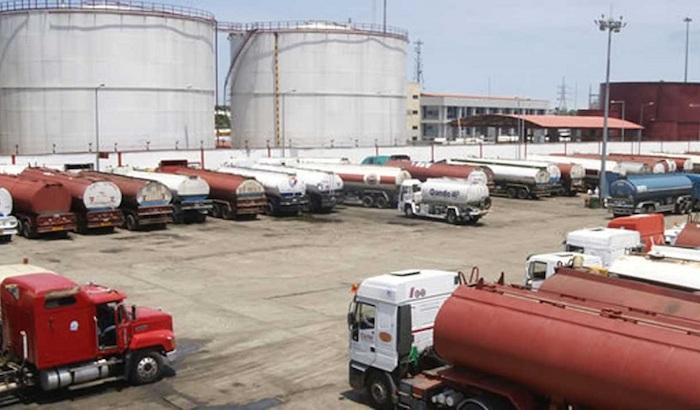
On Monday, members of the Independent Petroleum Marketers Association of Nigeria (IPMAN) and the National Association of Road Transport Owners (NARTO) staged a peaceful protest by pulling fuel and haulage trucks from the route. They described the levy as exploitative and ill-timed, warning that it could cripple operations across the fuel distribution chain.
The withdrawal of tanker services from the corridor, a key petroleum products distribution hub housing the Dangote Refinery and other major facilities, has raised alarm over disruptions to fuel supply in Lagos and other regions.
The truckers argue that the N12,500 levy, introduced through a public-private partnership, is being imposed without proper infrastructure or engagement with stakeholders. They also insist it fails to tackle any real traffic problems.

“We have had several meetings, but the government has remained adamant. There is no gridlock along the corridor. So why this levy? This policy is not about solving a traffic problem, it’s about enriching private interests under the pretence of public benefit,” said Dele Tajudeen, immediate past chairman of IPMAN in the South-West.
Read also: Lekki estate residents warn against plot to disrupt e-call-up system
Tajudeen also raised concerns about the destination of the funds, stating, “We already pay N7,000 at the toll gate. Now, an additional N12,500 is being demanded. That’s N19,500 before we even load fuel. And this money, we hear, is going to a private account, not the government. This is not sustainable.”
Truck owners say the financial burden will eventually be passed to consumers, compounding inflation and increasing fuel prices. With diesel costs surging and truck maintenance becoming more expensive, many fear the levy will drive them out of business.
Gbenga Olubasusi, chairman of NARTO at the Lekki Free Trade Zone, also criticised the lack of infrastructure to support truck operations.

Wale Oladeinde, NARTO Southwest Zonal secretary, clarified that the action is not a formal strike but a withdrawal of services under unfair operating conditions.
“This is not industrial action. We’re simply exercising our right to stop work under unfair conditions. The trucks are privately owned, and no one can force us to operate under such policies. If Lagos insists on this levy, fuel supply will suffer, and so will the economy.”
Lagos State NARTO Chairman, Kayode Odunowo, echoed the warning, saying the industry cannot absorb additional costs.
Read also: Oil price surge from Iran-Israel tensions offers little to no relief for Nigeria
Olaniyan Yekini, IPMAN Mosimi Depot vice chairman, also questioned why Lagos imposes levies without offering basic infrastructure.
“Other states like Oyo and Ogun have proper trailer parks. Lagos provides parks for buses but not trucks. Yet, they want us to pay more. Are we not part of Nigeria?” he asked.
Despite their firm stance, both associations say they are open to dialogue and are urging the Lagos State Government to suspend the levy and engage with stakeholders to find a fair and practical solution.
As of press time, tanker movements remain halted, and the state government has yet to respond officially.
With fuel queues beginning to appear in parts of Lagos, concerns are growing that a broader supply disruption may be on the horizon if the deadlock continues.