Diving oil revenues have depleted Nigeria’s central bank reserves perilously below $30bn which can only be shore up if Nigerians start patronising made in Nigeria goods; this is according to the Minister of Finance in a recent interview before the general elections.
The central bank has used the reserves to support the ailing naira currency in Africa’s top crude exporter, which has been hammered by falling global oil prices.
“I have always encouraged Nigerians that even strengthening the value of the Naira is not just government actions alone, it is in our hands,” Ngozi Okonjo-Iweala, Finance and coordinating minister of the economy said in a recent interview on the economy of the nation.

“If we buy more of what is made here in our own country and reduce the demand of things made outside, that means we can increase our reserves and the Central Bank does not have to continue giving money to import all those goods that we don’t need,” she adds.
Nigeria’s foreign exchange reserves fell 4.11 percent to $29.79 billion by March 31, from $31.07 billion a month earlier. Data from the CBN also shows external reserves that was $34.49 billion at the beginning of the year has now dropped by over $4.7 billion year to date.
Analysts say that even the headline reserve figure of below $30 billion is somewhat illusory, given that it includes $2.1bn from Nigeria’s Excess Crude Account and interventions in forward and swaps markets have not been fully accounted for.
Alan Cameron of Exotix, a brokerage, estimates that the true reserve figure is closer to $28.1bn, equal to just over four months’ worth of imports and “fast approaching a critical level”. The naira has stabilised somewhat of late, but only thanks to a 17 separate new measures and policies, he points out, as reported by Financial Times.
The international standard for healthy reserves is six months import cover, which for Nigeria should be about $48 billion. Before the oil price plunge Nigeria external reserve had crossed the $60billion mark, indicating over eight month cover.

The CBN announced on February 18th that it had closed its foreign-exchange window and stated that all demand for foreign exchange should be channelled to the interbank foreign-exchange market.
The regulator explained that it had acted to preserve Nigeria’s dwindling foreign-exchange reserves and to check the widening gap between the official and the interbank exchange rates, which has encouraged malpractice, such as round tipping—selling money bought at the CBN official retreat higher rates in parallel markets.
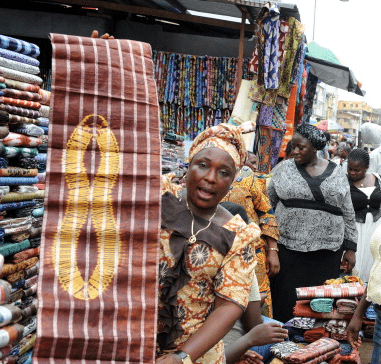
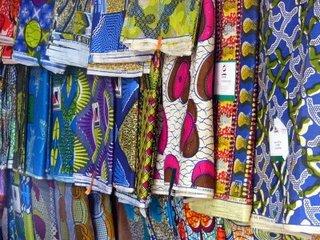
The Finance minister stated that “When I go around the continent, every single African woman wants Nigerian clothes. I know this may sound strange to lots of people.”
She added that most Nigerians imports shirts, trousers from the United Kingdom were as other African countries are demanding for made in Nigeria clothes. The minister further stated that Nigeria is yet to explore the opportunity in the fashion sector, “we are not able to get together as an industry – the fashion sector – to make clothes we can export” she said.
“If we now earn foreign exchange and we conserve by using our products, we will be able to add more to our reserve which will underpin the value of our currency.”