



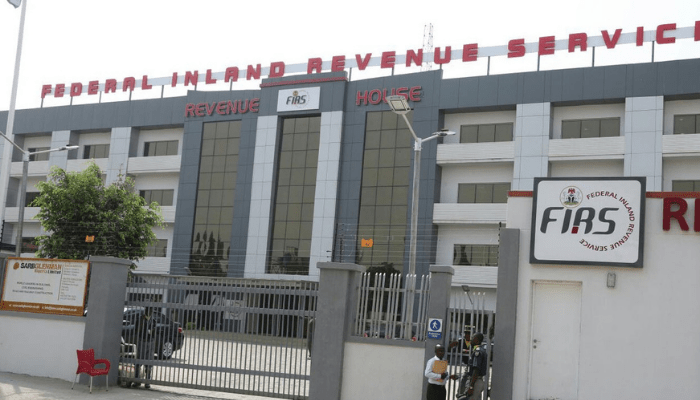
The Federal Inland Revenue Service (FIRS) says more than 4,000 large taxpayers in Nigeria are yet to complete the onboarding process for its new electronic invoicing (e-invoicing) platform.
Mohammed Bawa, project manager for the FIRS e-invoicing implementation, disclosed this on Thursday during a post-go-live workshop for stakeholders.
The tax authority launched the e-invoicing system on 10 August, starting with large taxpayers. The initiative aims to improve tax compliance and modernise revenue collection in Nigeria.
Only 1,000 taxpayers onboarded so far
Bawa said only 1,000 large taxpayers have completed onboarding since the August deadline. The compliance date has now been extended to 1 November to give more time for integration and to guide companies through the process.

“Between the 1st of August to date, we have over 1,000 large taxpayers that have onboarded and commenced their integration, and we still have over 4,000 to do the onboarding,” Bawa said. “So, FIRS felt it necessary to give an extension, an opportunity to those who have not been onboarded to be onboarded on the system.”
He said the e-invoicing system is designed to promote transparency and improve Nigeria’s low tax-to-GDP ratio by capturing more economic activity, curbing under-declaration, and reducing tax evasion. It will also help formalise the informal sector and expand the tax net.
Bawa said keeping businesses informal allows them to “forever escape the tax net,” leaving large taxpayers to bear most of the burden.
Read Also: FG reveals plans to revoke 1,000 solid minerals mining licences
Also speaking, Emmanuel Eze, FIRS director of change management, said the 1,000 onboarded companies represent only 20% of the target group. He noted that 16 service providers have been certified as system integrators and access point providers (APPs), enabling secure invoice transmission and validation.

He said the first live invoice transmissions came from organisations including MTN Nigeria, Huawei Nigeria, and IHS Nigeria. The extension to November should be used to complete integration, test transmissions, and ensure system readiness ahead of enforcement.
How the e-invoicing system works
Mike Adoga, acting director of the FIRS tax automation department, described the platform as an ecosystem of taxpayers, system integrators, and APPs. System integrators ensure taxpayers’ accounting and enterprise resource planning (ERP) systems are compatible, while APPs handle secure invoice delivery to the FIRS.
“For every transaction that passes through that system, FIRS is aware of that transaction,” Adoga said. “So, we have an idea of what your tax liability is going to look like when it comes to your filing period.”
The rollout is beginning with large taxpayers — those with an annual turnover of ₦5 billion and above — whose systems are generally easier to integrate. Smaller businesses and SMEs will be onboarded at later stages.





