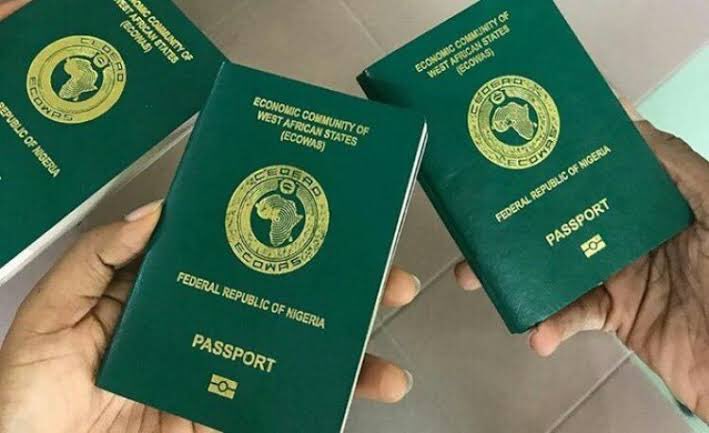
More than 34,000 Nigerians officially became citizens of the United States through naturalisation between 2020 and 2022, according to new data released by the U.S. Department of Homeland Security.
The Naturalisations Annual Flow Report, compiled by the Office of Homeland Security Statistics, ranks Nigeria among the top 20 countries of birth for newly naturalised Americans during the period, placing it 15th overall.
The report draws from data submitted through Form N-400, the application for naturalisation required of all prospective American citizens.
Each applicant’s personal details, including country of birth, date of birth, marital status, gender, and state of residence, are captured in the application process.

Read also: Overstayed your U.S. visa? 7 practical steps to avoid deportation
The information is collected and managed through the U.S. Citizenship and Immigration Services’ (USCIS) electronic case management system, which tracks the entire process from fingerprinting to the oath-taking ceremony.
It also uses data from the Central Index System, allowing Homeland Security to monitor and compile trends.
Naturalisation in the U.S. grants full citizenship status to foreign nationals who meet specific requirements outlined in the Immigration and Nationality Act.
According to the report, once naturalised, individuals enjoy nearly all the rights and responsibilities that come with being a citizen by birth, including the right to vote and access to federal benefits.

It also noted that the number of Nigerians naturalised has shown steady growth over the three-year span.
“In 2020, 8,930 Nigerians were granted citizenship, representing 1.4 percent of the total 628,258 individuals naturalised that year.
“The following year, the number increased to 10,921, marking a 22.3 percent rise as USCIS worked to clear a backlog caused by an 11-week COVID-19 lockdown that temporarily halted oath ceremonies.
“In 2022, the figure reached an all-time high of 14,438 Nigerians taking the oath of allegiance, a 32 percent increase from the previous year. Overall, this represented a 58.8 percent rise across the three years”, the report said.
Read also: U.S.: barcode matching on visa application form takes effect today
Nigeria also emerged as the leading African country in terms of naturalisations, accounting for three percent of all 248,553 Africans who became U.S. citizens during the period. Regionally, only Nigeria and the
The Democratic Republic of Congo made the global top 30 list of countries of birth for naturalised citizens as it saw a sharp rise in 2022, with naturalisations nearly doubling to about 6,000.
Citizens of other African nations were grouped under a broader “All other countries” category, of which Africa recorded the highest increase in naturalisations, with a 40 percent jump between 2021 and 2022.
In the broader global context, Mexico led with 326,237 citizens naturalised over the three years, while India followed with 171,114 naturalisations, and the Philippines came third with 135,313.
Other countries with high naturalisation figures included Cuba, the Dominican Republic, Vietnam, China, Jamaica, El Salvador, and Colombia.
Together, these ten countries accounted for nearly half of the 2.4 million individuals who gained American citizenship between 2020 and 2022.
Historically, European countries dominated U.S. naturalisations. However, that changed following the 1965 amendments to the Immigration and Nationality Act, which abolished national-origin quotas.
The report also noted that the changes opened the door for immigrants from Asia and, later, Africa. According to the Homeland Security report, Asia overtook Europe in naturalisation numbers in the 1970s, and since 2020, Africa has posted the fastest growth rate of any region.
Read also: Panic as U.S. cancels visas of over 901 international students, including Nigerians
“On average, African immigrants spent six years in permanent-resident status before naturalising, one year less than the global median”, it added.
The USCIS notes that while application volumes can be high, not all petitions are approved in the same fiscal year, and some are denied due to ineligibility or incomplete requirements.
The path to naturalisation remains highly regulated as applicants must be at least 18 years old, have maintained continuous lawful permanent residence in the U.S. for at least five years (or three if married to a U.S. citizen), and pass a series of background checks, interviews, and tests on English proficiency and knowledge of U.S. civics.
Once approved, applicants are scheduled for a mandatory oath ceremony before a judge or authorised government official, marking the final step in the journey to citizenship.