



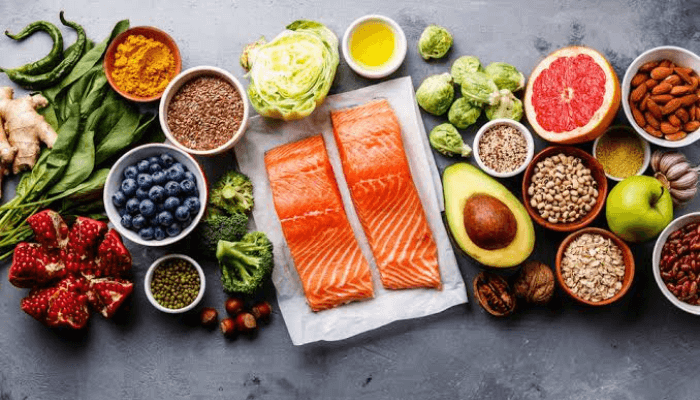
We live in a time where food has become complicated. We are told what not to eat, what to count, what to cut, and what to buy from faraway shelves. But rarely are we reminded of this simple truth: for many of us, healing is already growing in our own soil.
For me, that truth came through necessity. I was managing health conditions that required serious dietary changes, such as diabetes, high blood pressure, and cholesterol. Like many Nigerians, I turned first to modern medicine. But slowly, through trial and personal discovery, I found my strength not only in prescriptions but also in my kitchen.
What started as a survival journey became something more meaningful: a return to the healing wisdom of our indigenous food.
Many of us grew up eating food that was not only delicious but also inherently functional. Our mothers didn’t have formal nutrition training, but they knew that ugu nourished the blood, that bitter leaf could cleanse, and that locust bean (iru) and fermented foods aided digestion and boosted immunity. They didn’t need influencers to remind them. They simply listened to their bodies and the land.

Unfortunately, today we’ve begun to forget that wisdom. Imported food trends and Western health fads now crowd our attention, and we are slowly letting go of the meals that have sustained our ancestors for centuries.
It doesn’t have to be that way.
Nigerian food is rich, not just in flavour, but also in nutrients, fibre, and function. Unripe plantain, yam, beans, millet, garden egg, ogbono, and okra—all these are not just traditional staples; they are functional foods capable of managing blood sugar, improving heart health, and fighting inflammation.
What we call “local food” is, in fact, some of the most forward-thinking wellness cuisine available if only we honour it with intention and moderation.
My journey taught me that we don’t need to abandon our food culture to eat well. We just need to reconnect with it. Modify, adapt, and rediscover the ingredients that once nourished us without additives or excess.

This is especially important now, as non-communicable diseases like diabetes and hypertension rise across the country. Many Nigerians feel that eating “healthy” means spending more or switching to foreign diets. But that is simply not true.
What we need is a cultural reminder: food is our first medicine.
And that medicine doesn’t have to be imported. It can come from amala served with ewedu and low-sodium stew or from moi-moi packed with fibre and protein. It can come from our own homes.
Let us teach our children that okra soup isn’t just comfort; it’s functional. That a plate of jollof rice can be made with balance. That healing does not have to taste like sacrifice.
Wellness is not out of reach. For many of us, it is already in our markets, in our gardens, and in our stories. It’s time we brought that wisdom back to the table.
Eucheria Shiminenegi Hyeman is a wellness advocate and author of ‘My Book of Recipes,’ a cookbook rooted in indigenous, health-conscious Nigerian cuisine. She writes from Lagos.




