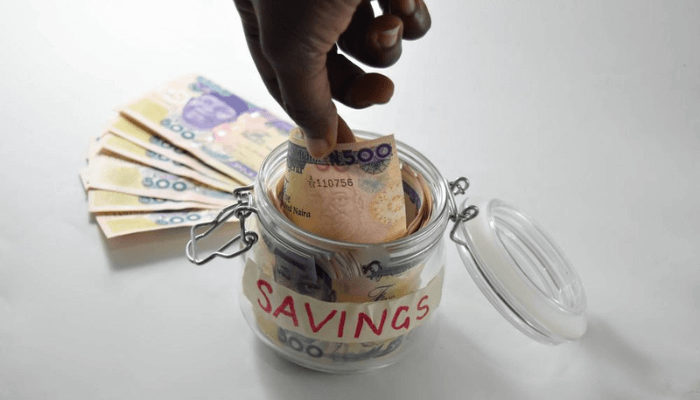
In the world of finance, internet banking and the use of personal finance apps are arguably one of the largest trends of the twenty-first century, because of the numerous technical advancements that have occurred over the last few years.
The emergence of payments and digital banking may give the impression that conventional ways of transacting with cash have become obsolete.
There is also an increased awareness and adoption of technology in different areas of life, especially in personal and business finance. These days, people hardly go into banks to transact, and hardly any people carry much cash. Internet banking, apps, and digital payment options are some of the things that have made financial transactions easier to accomplish. Intra-country and intra-continental money transfers have also been made easier in the process.
With all of the advantages enumerated above, however, fraudulent activities perpetuated by scammers have been on the increase as well. Is internet banking and the use of personal finance apps a good thing or a bad thing as more people continue to gravitate towards the use of technology for their financial transactions?

Let us examine some of the advantages of the digitization of financial transactions.
-Ease or convenience of use
Unlike going into the bank to initiate money transfers or withdraw money, with an internet banking app, there’s almost no limit to what people can do on their banking app and at any time of the day.
reduced likelihood of robbery attacks resulting in financial loss.
In the past, people were afraid of carrying cash around, especially with the fear of tipoffs when huge withdrawals were made from the bank. Technology, however, does not lower the chance of e-fraud; it in fact exacerbates it.

-A one-stop tool for various financial needs
Technology has provided different options for personal financial management. There are apps that can help you budget, save money, invest, convert currencies, sell online, and receive payments instantly, amongst others.
-An easier and faster way of getting on-the-go insights into your finances.
With a budgeting app, it is easier to gain insights into how you can plan your money and subsequently show how you have fared with your money.
-An easy DIY option for managing your finances, as opposed to outsourcing financial management tasks (not in all cases).
Previously, many people had to consult with a financial advisor to get their finances in order; however, there are new technological tools that can help analyze and provide basic information about how each person is doing with their finances.
These tools have brilliant advantages, but for some, there’s cause to be cautious because of the increase in frauds that come with the use of technology. Complete or full dependence on technology for our financial activities could be quite dangerous.
In recent times, some of the banks in Nigeria have gone through some difficult times with their technology tools, which has led to incessant complaints and an inability to transact promptly. Many people have lost opportunities because they couldn’t make payments when they were due. Some have even lost money to scammers who took advantage of loopholes in the banking system. Downtimes and technology failures are not uncommon, especially in developing countries.
Even in developed countries, we have seen tech giants like Meta having challenges with some of their apps, like Instagram and WhatsApp, and financial institutions having downtimes, especially during peak and festive periods.
Anything done online is definitely subject to risks, and this is substantiated by the number of claims of money theft by internet fraudsters. Phishing emails have become more common, and they look more like the real thing, so that unless one is very aware of these gimmicks, one may fall victim to their frauds. I almost got into trouble recently because a piece of information I got by email looked very similar to the authentic one.
How do we stay on top of these challenges and disadvantages in carrying out our financial transactions?
1. Become aware and knowledgeable of the downsides of technology, as well as some of the pitfalls. Learn from other people’s experiences.
2. Be up to date with cybersecurity tips.
Using the right usernames; not repeating passwords; using passwords that will be hard to guess; checking browser settings; ensuring privacy is prioritized when transacting.
3. Don’t leave your savings in easily accessible accounts. Add extra layers of security. Make it difficult, even for yourself, to access your savings.
4. Don’t share sensitive information like your passwords, ATM pins, and whatnot.
5. Keep an eye on your account. Check in every now and then so you can easily detect when there are anomalies.
6. Log off properly from your banking sessions and on apps that require a high level of privacy.
7. Be careful of the terms and conditions that you agree to.
8. When there is ambiguity, ask questions.
The overall responsibility of keeping your accounts and financial transactions safe is yours. Constantly invest in education, which will help you stay abreast of security issues.