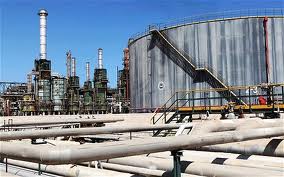
 Oil prices will most likely fall through 2014-end as Libyan supplies recover and new American pipelines come into play. According to Wall Street analysts tracked by Bloomberg, West Texas Intermediate (WTI) oil will average $100 a barrel in the fourth quarter of the year, dropping 5.1 percent from June 30, while Brent, the benchmark for more than half the world’s oil, drops 4.8 percent to $107. In June, persisting violence in Iraq, which led to, heightened concerns that supplies would be disrupted, pushed Brent to $115.71, the highest level since September 2013. But Brent is poised to decline, in part, on increased output in Libya as key export terminals were reopened last week. In the U.S., traders are focused on supplies at Cushing, Oklahoma, the delivery point for the WTI futures contract. Tallgrass Energy Partners LP plans to complete the conversion of the Pony Express pipeline to carry crude to Cushing from Wyoming. Enbridge Inc.’s Flanagan South will connect to the hub from Illinois. So, in the third quarter these two new pipelines are expected, the Flanagan and Pony Express, that will supply Cushing which will lead to a new equilibrium. WTI rose 7.1 percent in the first six months of 2014 on the New York Mercantile Exchange. The U.S. grade fell $4.21 to $102.29 during the nine days ended July 9, the longest stretch of declines since 2009, and dropped as low as $102.37 in today’s electronic trading. Brent was headed for a drop in the first half until the widening conflict in Iraq raised concern of a supply disruption. Prices fell after an Islamic insurgents’ advance stopped short of southern Iraq, home to most of the country’s crude output. Iraq concerns increased amid a drop in Libyan supply. Libya pumped 300,000 barrels a day in June, down 73 percent from a year earlier, according to a Bloomberg survey of oil companies, producers and analysts. Output has risen to 350,000 barrels a day, National Oil Corp. spokesman Mohamed Elharari said by phone yesterday. Libya, holder of Africa’s biggest reserves, has 7.5 million barrels of oil stored at the ports of Es Sider and Ras Lanuf, which were reopened this month, Oil Ministry Measurement Director Ibrahim Al-Awami said by phone on July 7. “Risk premiums linked to Libya and Iraq in particular will continue to dictate where Brent prices are,” Abhishek Deshpande, a crude markets analyst at Natixis SA in London, said by e-mail on July 8. Iran is another possible source of increased crude as diplomats meeting in Vienna seek a permanent accord over the country’s nuclear work. If an agreement is reached, sanctions limiting Iranian exports could be eased. Saudi Arabia has also added to supply, boosting output by 230,000 barrels a day to 9.9 million, the highest since September, when it pumped 10 million, the most in monthly data going back to 1989. “The U.S. and Saudi Arabia have almost exclusively made up for the declines in Libyan and Iraqi output,” Katherine Spector, a commodities strategist at CIBC World Markets Inc. in New York, said July 2 by phone. “If the other shoe were to drop, there’s nobody to make up for the loss.”
Oil prices to fall on Libyan and American supplies


Nigeria's leading finance and market intelligence news report. Also home to expert opinion and commentary on politics, sports, lifestyle, and more

Leave a Comment