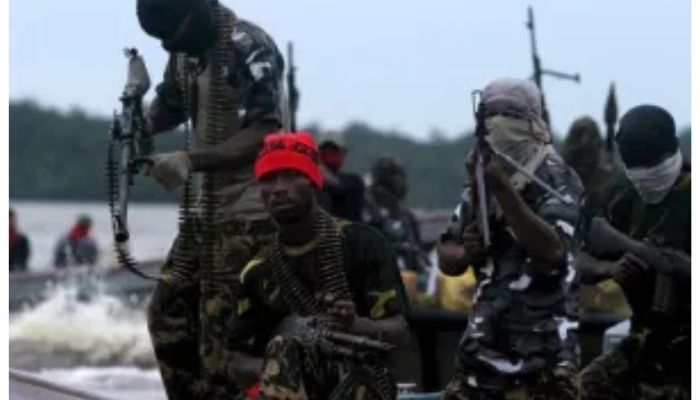
In Nigeria, a six-week-old cease-fire in the oil rich Niger Delta is showing signs of weakening: The Niger Delta Avengers, responsible for more than 90 percent of all attacks this year, on Sept. 23 claimed responsibility for an attack, its first since July 24, on a key supply pipeline to Royal Dutch Shell Plc’s Bonny export terminal, a few miles outside Port Harcourt.
There’s a lot at stake. Nigeria’s economy is tottering as varnishing exports inflict an unprecedented foreign exchange shortage on the country.

Exxon Mobil Corp. is planning to resume some shipments at its Qua Iboe terminal, the country’s largest, at the end of September and expects repairs on the 400,000 barrel-a-day main export line will be completed in December.
Shell also expects its Forcados terminal, out since February, to come backon line any time now. The company earlier this month lifted a delivery halt on its Bonny terminal shipments it had imposed in August after saboteurs breached its main supply pipeline.

The crucial challenge for the government is to appease a plethora of militant groups, some of whom never signed on to the cease-fire, such as the Niger Delta Greenland Justice Mandate. President Muhammadu Buhari, elected last year, is loathe to negotiate with the militants and is skeptical they are adhering to the truce.
“I do not see a willingness to engage,” said Ledum Mitee, a lawyer and Niger delta minority rights activist who’s part of the peace talks.
“The response of the government is to send more troops to the region. There is a growing frustration within various groups that the government is not ready for negotiations and this may lead them back to attacking pipelines.”
In all, output is now estimated to average about 1.5 million barrels a day “at best,” oil Minister Ibe Kachikwu said on Aug. 12. That’s potentially 23 percent lower than last year.