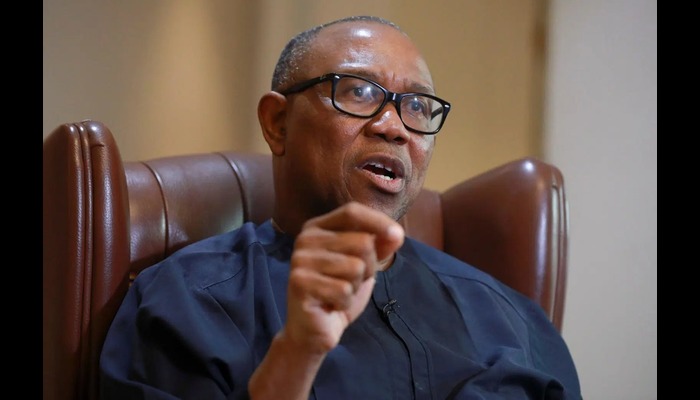
Peter Obi, a former governor of Anambra State, has called on the Joint Admissions and Matriculation Board (JAMB) to address structural bottlenecks as the 2026 Unified Tertiary Matriculation Examination (UTME), registration is about to end.
Obi raised concerns over recurring delays and systematic failures, stressing that inefficiencies in the registration process place unnecessary burdens on students and their families.
Read also: 2026 JAMB/UTME subject combination for medicine, computer science, 48 other courses
The former Labour Party presidential candidate in the 2023 general election expressed concern about several critical issues, such as severe registration delays, centre closures, and increased costs, among others.

Obi disclosed his worries during a visit to the JAMB facility in Amawbia-Awka in Anambra State, where he saw large crowds of candidates facing confusion and uncertainty as the February 26 registration deadline approaches.
According to the former number of citizens of Anambra State, “Much of the congestion is due to the proscription of multiple computer-based test (CBT) centres for alleged infractions, which has forced students to travel long distances, sometimes making up to five unsuccessful trips, to the few remaining operational sites.”
Besides, Obi criticised the increase in registration costs, which he said some students are being charged up to N15,000 for a service they should ordinarily have paid N1,500.
“Candidates from remote areas are sleeping overnight in state offices to secure access, and without urgent intervention, they may miss the examination entirely,” Obi said.
He emphasised that allowing blacklisted centres currently under investigation to offer limited registration services under strict monitoring would ease pressure.

Moreover, he reiterated that reinstating previously approved centres on a provisional basis while new approvals are processed would also help address the situation.
Read also: JAMB closes 2026 UTME registration Feb 26, records 1.5m candidates
“Moving beyond ‘bureaucratic bottlenecks’ is pivotal to ensure fairness for students during a time of economic hardship,” he noted.