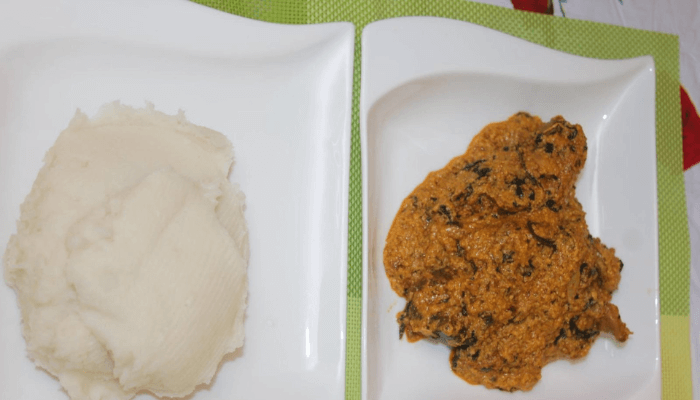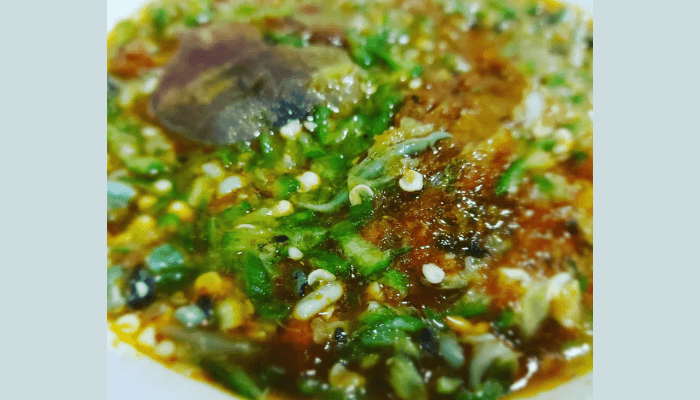
Obe Aselu/Asepo is a unique Ilaje, Ondo soup that is a combination of ewedu leaves and okro. The end product is usually a powerful draw soup that slides down the throat so smoothly. Suffice to say that this soup is usually considered an aseptic and traditional soup.
Nigeria’s rich culinary heritage continues to command global attention, and among the most culturally significant foods from the Yoruba-speaking regions of the country are Obe Asèlú and Asepo, combined with pupuru.
This ilaje, Ondo recipe was shared on a food and health radio programme on Unialg Radio tagged ‘GOURMET GUIDE WITH LYDIA ON UNILAGFM’ by one of our students, Aderemi.
The soup is usually relished with pupuru. This is a delicacy made from cassava and relished by the Ondos with this Aselu/Asepo soup or any other type of soup that is also peculiar to the people.

It is important to note that Pupuru, as a fermented cassava meal, is not like garri, lafun or fufu which are all local meals from cassava. It is usually looking like like white stony ball, before being pounded into smooth flour for swallow. Sometimes we can say that Pupuru, is a smoky-flavoured fermented cassava staple widely consumed across Ondo, but other like Ogun, and parts of Oyo also relish the carbohydrate enriched swallow.
The traditional processing of cassava into pupuru involves first peeling the bark of the cassava tubers and then steeping of the peeled tubers into pots partly buried in holes dug by flowing river or stream usually close to the cassava farm, for between four to six days to allow fermentation to occur. Traditionally, people soak the peeled tubers in stream water fetched in pots to enable the easy washing of the cassava by the fifth or sixth day, and this requires abundant water for cleaning.
The fermented cassava are arranged in sacks to drain off the water and moulded into balls ready for drying by the fire. Once dried, the cassava balls look brownish or black on the outer part, and this has to be scraped before it is pounded into flour and then sieved to remove unwanted dirt and chaff. The fine flour is added to boiled water and cooked into pupuru meal.
This local cassava meal has been scientifically proven to be rich in carbohydrate, but low in protein and other micronutrients; hence it is not recommended for diabetics. Well, other swallows like eba, semo or amala can be served in place of pupuru.
As for Ewedu otherwise known as crain-crain are can-not-do-without in all South Western Yoruba states.

In days gone by, short sharp brooms were always used to shred the steamed leaves into tiny bits, but today some ‘tush’ looking – sophisticated – brooms are now being used.
Most supermarkets and shopping malls have these brooms in abundant supply.
It’s pertinent to note that women usually add potash known as kaun in [yoruba language] and akawa in [ibo language] to the boiling leaves, to soften the leaves.
These edible leaves of plants contain mineral matter like iron, calcium, iodine, vitamins (c in particular) and many others.
Okro, the next ingredient, is not left out. Whether one calls it okro or okra, the name is still the same. It is equally known as ladies’ finger, kidney vetch or gumbo. Okro is native to africa, but it is cultivated widely, however, extensively in the southern united states and west indies. Infact, virtually all african countries also cultivate and enjoy it.
Okro is rich in Vitamin C and this high Vitamin C content helps fight colds and coughs as well as encourages a healthy immune system.. Vitamin C and many essential minerals like magnesium, manganese, calcium and iron in okro also fight against harmful free radicals and help to promote an overall healthy immune system.. It stabilizes blood sugar and prevents as well as improves constipation. Okro is rich in iron and this is good for pregnant women as it helps to build a healthy blood supply to the body of the woman and her unborn baby. The iron content of okra forms haemoglobin in the blood and prevents anaemia. It is rich in Vitamin K and this helps in blood coagulation.
Today, cultural practitioners and food historians are advocating for these indigenous delicacies to be nominated for the UNESCO Intangible Cultural Heritage (ICH) List, citing their deep historical roots, community identity, and nutritional relevance.
The native soup is a traditional Yoruba delicacy prepared using age-old aseptic methods of preserving ingredients and the soup typically blends smoked fish, bushmeat, just salt without any seasonings and spices, creating a distinct flavour passed down through generations.
Its aseptic preparation method not only enhances taste but also prolongs preservation without modern refrigeration, reflecting indigenous innovation in food safety.
Pupuru, on the other hand, as a fermented cassava product that undergoes peeling, soaking, smoking, pounding, and cooking to yield a smooth, slightly stretchy staple . It is usually eaten with Obe Asèlú or other local soups. Its has a preparation that is a cultural ritual involving communal labour, storytelling, and intergenerational learning.
These foods are more than meals—they are symbols of identity, resilience, and indigenous knowledge. For many communities, especially in Ondo State, Pupuru represents cultural pride, served during festivals, burials, weddings, and seasonal ceremonies. Obe Asèlú/Asepo, with its aseptic roots, is a testament to ancestral wisdom in food preservation long before modern technologies.
I believe the survival of these delicacies reflects a deep connection to land, agriculture, and communal living—values now fading under globalization and fast-food culture.
Nigeria’s rich culinary heritage continues to command global attention, and among the most culturally significant foods from the Yoruba-speaking regions of the country are Obe Asèlú and Asepo, combined with Pupuru.
Pathway to UNESCO ICH recognition
To get these cultural delicacies inscribed on the UNESCO Intangible Cultural Heritage List, stakeholders must undertake the following steps:
1. Community Consent & Documentation:
Local custodians, farmers, processors, cooks, traditional leaders must collectively agree to present the foods as cultural heritage. Their practices, oral histories, rituals, and preparation techniques must be documented through video, text, and research.
2. Government Endorsement: Nigeria’s Federal Ministry of Culture & Information, working with state cultural bureaus, must prepare a nomination file showcasing the cultural significance, transmission process, and safeguarding measures connected to this food combo.
3. Safeguarding Plan: UNESCO requires evidence of strategies to keep the tradition alive. These include community-based culinary apprenticeship, festivals centred on Pupuru and Obe Asèlú/Asepo, educational programs in schools, support for local farmers and processors.
4. There must be an evidence of cultural value where the foods must demonstrate their role in identity, continuity, social cohesion, and cultural transmission.
If successful, Pupuru and Obe Asèlú/Asepo would join global delicacies like Japanese Washoku and Mexican Cuisine already listed as intangible cultural heritage.
Nigeria’s rich culinary heritage continues to command global attention, and among the most culturally significant foods from the Yoruba-speaking regions of the country are Obe Asèlú and Asepo, combined with Pupuru.
As Nigeria deepens efforts to promote its cultural assets globally, foods like Obe Asèlú/Asepo and Pupuru stand out not only for taste but for their cultural depth and nutritional impact. Inscribing them on the UNESCO ICH List would not only honour Yoruba culinary traditions but also preserve them for future generations, ensuring the world recognises the ingenuity embedded in Nigerian cuisine.
If well championed, these dishes could soon take their rightful place among the world’s most cherished cultural foods.
Lets visit the kitchen.
Recipe for 4 Servings
• 1 medium sized bunch of African Spinach or Crain Crain (also called yoyo locally or ewedu)
• 2 cups of fresh okro (grated)
• 2 wraps of dampened melon locally called eragiri or ogiri or iru
• 2 smoked fish (deboned)
• 5 pieces of fresh red pepper (blended)
• 1 cooking spoon palm oil
• Only salt to taste, no seasoning is required
Method
• Remove the Ewedu from the stalks and shred to ringlets.
• Wash and set aside.
• Place water on the fire, allow to boil for three minutes.
• Pour in the grated okro and cook for about one minute before pouring in the shredded Ewedu leaves.
• Simmer for another one minute, add the eragiri, blended pepper, smoked fish and then salt to taste.
• Cook for 60 seconds before finally adding little palm oil.
• Cover and simmer for 30 seconds.
• Remove from the heat and serve with the cassava swallow, locally called pupuru.