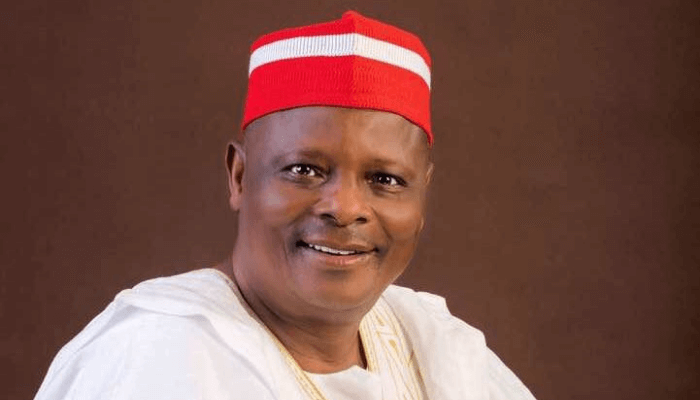
Rabiu Musa Kwankwaso, Muhammad Badaru Abubakar, former minister of defence, and Governor Bala Mohammed of Bauchi state, have held a closed-door meeting in Abuja, a move triggering intense speculation about alliances, defections and the shape of the 2027 elections.
Officially, the gathering was described as a courtesy visit. No party logos were displayed, no joint statement issued, and no political intent declared, sources, who confirmed the meeting to BusinessDay, Thursday, hinted.
In Nigerian politics, symbolism often travels faster than facts, and the mere convergence of these figures from rival camps has started igniting discussions and debate in political circles about who is courting whom in the North.
What gives the meeting its edge is not novelty but timing. Badaru remains a key figure within the ruling All Progressives Congress (APC). Bala Mohammed is a prominent Peoples Democratic Party (PDP) governor with opposition credentials and growing ties to broader anti-APC coalitions. Kwankwaso, leader of the New Nigeria Peoples Party (NNPP), occupies a more ambiguous space—outside the two dominant parties but commanding a loyal base, particularly in Kano and across parts of the North.

As Nigeria inches toward 2027 under the weight of economic pressure, security concerns and voter fatigue, the North’s electoral importance looms larger than ever. Any serious presidential calculation still depends on it, and it is against this backdrop that Kwankwaso’s continued relevance has become difficult to ignore.
Read also: 2027: Kwankwaso dangles between APC, ADC
Unlike many of his contemporaries, Kwankwaso’s political career has been defined less by fixed ideological lines than by strategic positioning. His movements across parties over the years have earned criticism, but they have also preserved his bargaining power. The latest meeting reinforces a growing perception: Kwankwaso is no longer chasing political platforms; political platforms are keeping channels open to him.
For the APC, engagement appears to be a matter of caution rather than affection. The ruling party understands the risks of alienating influential northern figures and the cost of misreading regional discontent. Maintaining dialogue with Kwankwaso is a form of political insurance.
On the opposition side, the calculation is equally clear. Any viable coalition seeking northern credibility cannot afford to dismiss a figure who retains grassroots loyalty and the capacity to either consolidate or fracture votes. Kwankwaso’s value lies precisely in his independence—useful, unpredictable and therefore powerful.

History suggests that today’s “harmless” meetings can become tomorrow’s political turning points. But to read this encounter as an alliance in the making would be premature. It signals neither defection nor merger. What it does signal is leverage.
By hosting key actors from opposing camps without committing to any of them, Kwankwaso has reminded Nigeria’s political class of a simple fact: the road to 2027 is still being negotiated. And some of its most important conversations are happening quietly, behind closed doors.
In Nigerian politics, those who are visited are rarely pleading for relevance. More often, they are preparing to bargain.