In a nation where macroeconomic numbers tell a story of recovery, everyday life tells a different one. Nigeria’s policymakers tout easing inflation, modest GDP growth, and a stronger currency as signs of progress. Yet, for millions, these numbers ring hollow. Across the country, families ration food, businesses shut their doors, and survival has become an act of ingenuity.
This contradiction, between official optimism and the daily grind of deprivation, defines Nigeria’s poverty paradox. Despite being Africa’s largest economy, the country remains the world’s poverty capital. More than 133 million Nigerians, according to the National Bureau of Statistics, live in multidimensional poverty, a figure that shames both the state’s potential and its performance.
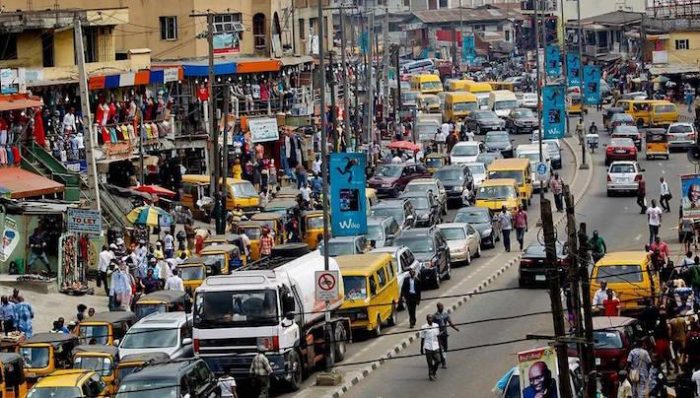
The paradox is not born of laziness or lack of enterprise. Nigerians are among the most industrious people on the continent, turning adversity into enterprise in markets, motor parks, and informal settlements. The problem lies elsewhere: in an economic structure that creates growth without prosperity and wealth without inclusion.
Read also: Two-thirds of Nigeria children live in multidimensional poverty UNICEF

Nigeria’s poverty problem is not a crisis of effort but of structure. Successive governments have failed to translate resource wealth into sustainable development. Oil revenues have historically benefited a small elite, while public investment in education, infrastructure, and productive employment has lagged.
The economy has averaged about 2 percent growth since 2015, slower than population growth, meaning that per capita income continues to fall. Meanwhile, inflation and a weak currency erode purchasing power, trapping millions in a cycle of precarious survival. The most industrious Nigerians, those driving the informal economy, remain locked out of access to credit, land titles, and formal markets.
This model of exclusionary growth is not unique to Nigeria, but its persistence in an oil-rich state exposes deep governance failings. For decades, fiscal management has been undermined by poor tax compliance among the wealthy and leakages in public finance. Subsidies, intended to cushion the vulnerable, often benefit those least in need. The outcome is a widening gulf between the nation’s macroeconomic story and the lived experience of its citizens.
“Redistribution is not a moral luxury but an economic necessity. Countries with robust social safety nets experience more stable consumption patterns and lower inequality.”
There is no shortage of global lessons. China’s rural industrialisation and targeted social programmes lifted more than 750 million people out of poverty in four decades. India reduced its poverty rate from 45 percent in the 1990s to about 15 percent today through employment guarantees and digital cash transfers. These countries demonstrate that sustained investment in human capital, rural productivity, and inclusive industrialisation delivers measurable social returns.

Nigeria’s approach, by contrast, remains reactive. Fiscal incentives are often misdirected; infrastructure projects stall amid cost overruns, and agricultural programmes underperform due to insecurity and weak logistics. Without a coherent social contract, one that prioritises equity and accountability, economic reform will continue to yield cosmetic results.
To reverse its poverty trajectory, Nigeria must align macroeconomic policy with social inclusion. Three priorities stand out.
First, tax reform. Expanding the tax base is essential, but plugging leakages is even more critical. The government’s drive for non-oil revenue can only succeed if tax collection is transparent and progressive. Linking taxation directly to public service delivery, schools, healthcare, and infrastructure, will help restore trust in state institutions.
Second, reprioritisation of public spending. The persistence of fuel subsidies, now largely benefiting middle- and upper-income households, represents a fiscal distortion. Redirecting these funds to conditional cash transfers and employment schemes tied to community projects would deliver a broader welfare impact. India’s rural employment guarantee offers a workable model.
Third, human capital investment. Nigeria’s literacy rate hovers around 62 percent, with more than 10 million children out of school. Education and vocational training remain the most reliable pathways to reducing poverty. Adapting Germany’s apprenticeship model and strengthening technical education can equip Nigeria’s youth for sectors such as agriculture, digital services, and manufacturing.
Beyond these, formalising the informal economy must be a national priority. Simplified registration systems, secure property rights, and microcredit schemes tied to savings cooperatives can help small entrepreneurs move from subsistence to productivity. Unlocking “dead capital”, the unregistered assets that dominate Nigeria’s informal markets, would inject liquidity into local economies and expand the tax base.
Read also: Redeeming Nigeria from the stranglehold of poverty and Inequality
Redistribution is not a moral luxury but an economic necessity. Countries with robust social safety nets experience more stable consumption patterns and lower inequality. Ethiopia’s Productive Safety Net Programme, combining cash transfers with public works, has reduced food insecurity by a quarter in its target regions. Nigeria’s welfare schemes remain fragmented and politicised; digitisation and clear eligibility criteria would improve both reach and credibility.
Ultimately, economic growth that fails to lift the majority cannot be called success. Nigeria’s democracy rests on a fragile foundation when prosperity accrues only to the top percentile. Waiting for wealth to trickle down has long proven futile.
The challenge before Nigeria’s policymakers is to move beyond headline figures and commit to structural transformation, one that rewards productivity, safeguards the vulnerable, and distributes opportunity fairly.
The entrepreneurial young man selling water in Lagos traffic embodies the country’s potential. What he lacks is not ambition but access to credit, to education, and to a fair chance. A state that cannot convert such effort into prosperity will continue to grow poorer in spirit, even when its GDP numbers rise.