…implementation, long-term strategy critical to success – Manufacturers
Nigeria is betting on its new industrial policy aimed at accelerating job creation and delivering sustainable economic growth, but old issues threaten to derail the effort.
Lack of effective implementation, long-term strategy and inconsistencies have plagued past industrial policies that have struggled to deliver with manufacturers noting that these issues must be addressed for the new policy to succeed.
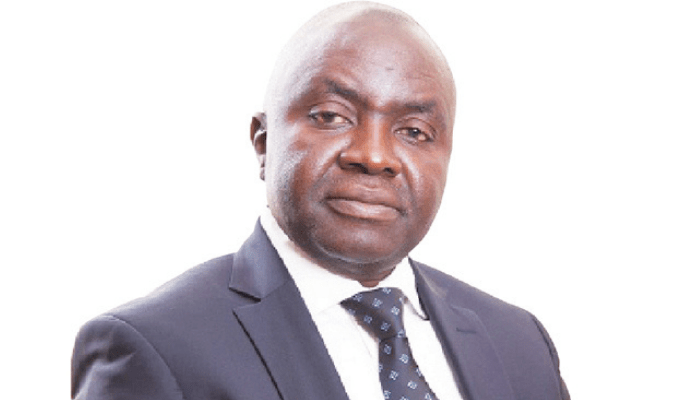
Muda Yusuf, chief executive officer of the Centre for the Promotion of Private Enterprise (CPPE), emphasised that political and bureaucratic commitment has historically been the missing link in the country’s industrial policies.

Read also: Nigeria soft-launches national industrial policy to drive jobs, sustainable growth
“If the industrial policy is not fully implemented and does not have a long-term focus, it will fail like other previous policies,” he said.
Yusuf who have seen some of the drafted text of the new industrial policy, expressed optimism about the current policy.
He noted that the country’s ongoing economic reforms have formed a backbone to drive industrialisation which the policy can ride on to deliver expected outcomes.
However, he warned that without addressing structural risks, particularly power, logistics and port inefficiencies the country’s manufacturing will remain uncompetitive despite the reforms.

It has been a bittersweet story for Nigeria’s industrialisation drive since the 60’s when the country launched its first policy plan.
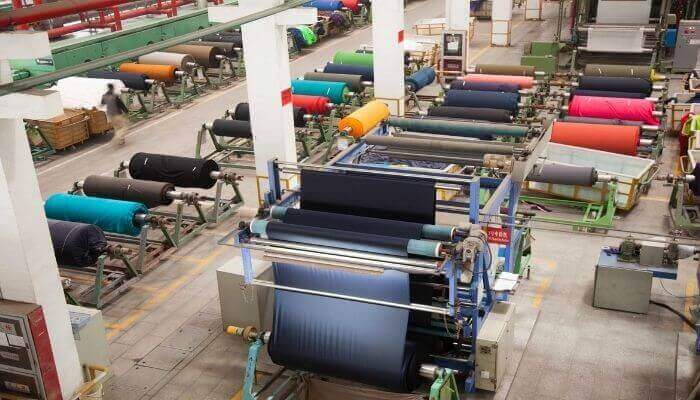
From the Import Substitution Policy to the Nigerian Enterprises Promotion Decree and the National Industrial Revolution Plan, the country is yet to lay a policy foundation for its industrial drive as most of these ambitious plans are not fully implemented or abandoned.
“We have never been short of policies, the problem has always been poor implementation,” said Frank Onyebu, executive director of Universal Luggage Industries Limited in a response to questions.
According to him, the new policy will only be successful when there is the political will to drive full implementation, call on the government to ensure that the policy is not abandoned but modified to meet current realities.
Dele Kelvin Oye, chairman of the Alliance for Economic Research & Ethics (AERE), explained that past industrial initiatives often fell short due to systemic challenges such as weak infrastructure, inconsistent trade policies, regulatory fragmentation, and overreliance on oil revenues.
“Policy intent is important, but Nigeria’s industrial future depends on consistent implementation, infrastructure reliability, and human capital development to make industrialisation a reality rather than just a policy statement,” he said.
He noted that the policy’s success will also hinge on solving persistent challenges, saying energy remains a critical bottleneck, as manufacturers continue to rely heavily on diesel generators due to an unreliable national grid.
He urged the country to align its regulatory environment to global best practices, saying Nigeria has the potential to become Africa’s industrial powerhouse.
He explained further that the African Continental Free Trade Area (AfCFTA) adds both opportunity and pressure as Nigerian firms now face access to a continental market of over 1.3 billion people, but also competition from countries that have developed strategic industrial models.
Read also: New national industrial policy not to criminalise strikes – FG
He cited Ghana’s “One District, One Factory” (1D1F) initiative which decentralises industrial growth to rural areas, while Rwanda’s Special Economic Zones (SEZs) offer streamlined approvals, reliable infrastructure, and incentives for export-oriented manufacturing. Both models he noted demonstrate the importance of state-enabled, private-sector-led industrialisation.
He also said that technology and innovation are also central to Nigeria’s new approach. The Nigeria Start-up Act encourages knowledge transfer, digital transformation, and Industry 4.0 technologies such as AI and the Internet of Things, offering the potential to overcome legacy inefficiencies and leapfrog stages of industrialisation.
Oye added that Special Economic Zones remain a cornerstone of the plan, designed to provide “islands of efficiency” with dedicated infrastructure and fiscal incentives.
However, he said their effectiveness will depend on addressing persistent power shortages, port congestion, and regulatory overlap.
The policy is expected to be launched by the President Bola Tinubu next month.