|
Getting your Trinity Audio player ready...
|
Nigeria’s FX shortages could forestall economic recovery in the second half (H2) of 2020, according to a report by FSDH Research, which sees the FX challenge playing a major role in shaping economic outcomes during the period.
Already, there have been limited forex supply which has resulted in depreciation of the currency in the parallel market, popularly known as black market.
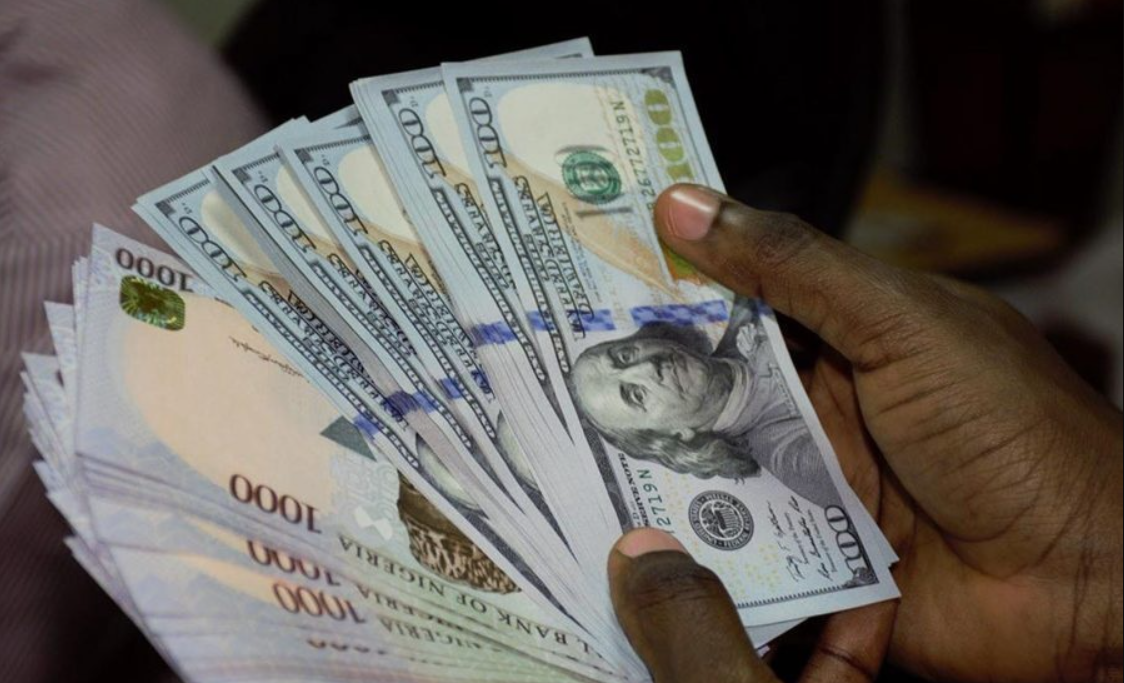
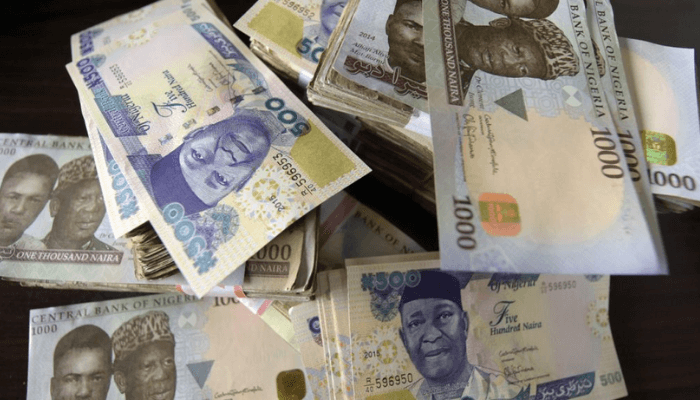
Nigeria’s currency has lost N108 to the dollar since March 2020 when the dollar was sold at N368/$ to N476 as at Wednesday.
Naira was stable across market segments on Thursday as the dollar was trading at N476 and N477 on the black market and retail Bureau.

The foreign exchange market at the Investors and Exporters (I&E) forex window, opened on Thursday morning with an indicative rate of N386.15k, which signaled a marginal appreciation of N0.05k when compared with N386.20k opened with on Wednesday, data from FMDQ have shown.
At the I&E FX window, relatively lower volumes passed through the market, as it remains affected by tightened system liquidity. Naira remained stable at N386.00 per dollar. Analysts at FSDH research said most participants maintained bids between N380.00 and N386.00 per dollar.
The foreign exchange daily turnover declined further by 62.92 percent to $14.47 million on Wednesday from $39.03 million recorded on Tuesday.
The total amount of forex sold by the Central Bank of Nigeria (CBN) to authorised dealers decreased by 82.2 per cent to US$0.84 billion in April 2020 from US$4.70 billion in March 2020, due to the low demand for foreign exchange as a result of the closure of factories and businesses occasioned by Covid-19 pandemic, the CBN’s economic report stated.
The FSDH report noted that more recently, the CBN has embarked on FX rationing and exchange rate adjustments, among other measures, to reduce pressure on the Naira and maintain a stable exchange rate.

Drawing from experience during the last recession, limited availability of FX as well as FX rationing could have unintended consequences on broad economic aggregates such as GDP, Inflation, external reserves and foreign investments.
Growth of key sectors such as trade, manufacturing and agriculture could also be constrained by limited availability of FX to secure inputs, the report said.
FSDH research forecasts N420 per dollar exchange rate in 2020 based on assumptions of oil price falls between US$30 and US$40pb, gradual re-opening of cities, schools, airports, businesses, sluggish crude production at 1.4 million barrels per day, Government capital spending at N900 billion and partial implementation of sectoral support interventions