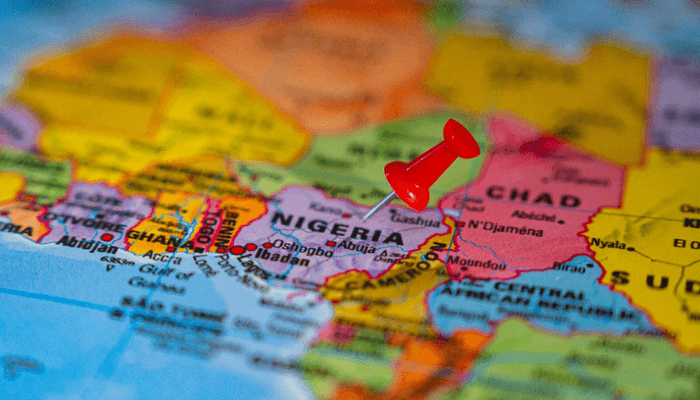
In the shadows of Nigeria’s impending economic uncertainty, a new social tragedy is slowly unfolding – stealthily, steadily, yet extremely destructively. Fueled by deepening poverty, Nigeria saw a trend among young people who resorted to betting as a means to generate revenue, resulting in a full-blown gambling epidemic that’s affecting every social stratum of the Nigerian population.
Economic hardship is pushing more Nigerians toward gambling, as traditional sources of income fail to meet rising living costs. Since the removal of fuel subsidies in 2023, financial strain has intensified, triggering a nationwide search for fast-money alternatives. In this climate, digital gambling platforms have found fertile ground. Enticing online casino bonuses – especially the ones advertised on NoDepositKings.io – are attracting millions to try their luck, since they promise potentially big wins with little to no initial deposits needed.
For many, gambling offers a semblance of control in an unstable economy, even if the odds are rarely in their favor. While the industry grows, concerns are mounting over addiction, debt, and the long-term social cost of this desperate financial coping mechanism.
Hopes, Dreams, and Financial Stress
Amid the soaring costs and unsustainable standards of living, Nigerian’s have quickly developed a get rich quick mindset, with experts reporting that around 60 million Nigerians place real money bets daily, a staggering figure that is barely mentioned during public debates or policy circles. If you had to walk along the streets of urban or remote Nigeria, there’s a big chance you’ll see large groups of young men huddled around betting kiosks, women scanning odds on their phones, and children being fully aware of terms like ‘stake’ or ‘odds’ from a very young age – more than a hobby, gambling is now being perceived as the elusive bright light at the end of the despairing economic tunnel.

What used to be a couple of casual football bets on the weekend has now evolved into a daily obsession, with betting slips replacing grocery receipts, and screen time allocated to scan odds rather than to connect with friends and family. For many, pay day no longer represents a means to cover school fees or rent, but rather a way to finance the dream of ever hitting that extremely elusive life-changing jackpot.
The Dark Drivers
With the Nigerian economy crumbling at an alarming pace, inflation continues to spiral out of control, which means unemployment is on the rise and household incomes will continually become slimmer. Since the legalization of certain types of betting in Nigeria in the late 90s, the community has since then normalized this activity, leading to the increase of betting shops and online platforms readily available for punters to try their luck.
Fast forward today and we’ve got the ever-increasing presence of smartphones, a device which was once considered useful to communicate with friends and family but has now become a dangerous weapon of self-sabotage in the hands of avid gamblers. Loaded up with aggressive marketing promotions and the convenience of 24/7 accessibility, these devices have become an undeniable scourge to Nigerian society.
Even though the psychological repercussions of gambling are severe, they’re rarely discussed at a national level. Compulsive gambling can often lead to manic mood swings that span from hope to despair, causing sleepless nights, increasing anxiety, and even depression in some cases. Sadly, mental health support is close to non-existent in Nigeria, with medical centers grossly underfunded and addiction perceived as a personal failure rather than a treatable disease.
Is There a Way Out?
Despite authorities and policy makers remaining silent about the matter, and corporations being opportunistic about the lack of guidelines, the desperate need for education and rehabilitation couldn’t be any clearer. Of course, a number of systematic and economic factors would need to shift for this bane to be entirely lifted, but allowing Nigerians to educate themselves and acknowledge that addiction is a societal disease and not a personal failure would significantly curb the tragic landslide that’s occurring right now. Useful considerations could include:

1. Public awareness – local media, schools, community leaders and religious groups need to start having candid and insightful discussions about the dangers of problem gambling.
2. Increased regulation and oversight – the government needs to clamp down on gambling operators, enforcing age limits, betting caps, and mandatory responsible gaming education across all platforms.
3. Mental health support – the importance of an addiction recovery program has never been more prevalent, which highlights the lack of counselling services or support groups in Nigeria.
4. Economic reforms – the root cause of this epidemic remains the spiraling poverty and helplessness of the nation. Until there are real economic opportunities, gambling will always remain deceptively attractive.
5. Assuming responsibility – and lastly, friends and family must be quick at identifying gambling red flags and intervene at an early stage. Community leaders, on the other hand, need to regulate endorsements and marketing ploys which to date continue to normalize gambling as a means of making money.