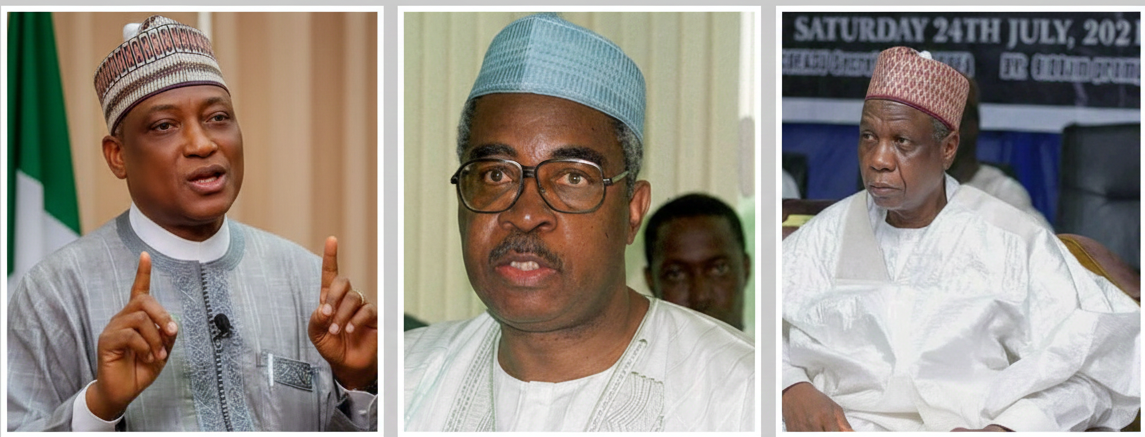
Since the return to democracy in 1999, every Nigerian Defence Minister has inherited a country at war with itself in one form or another. The job has rarely been about preparing for foreign adversaries; it has almost always been about managing internal crises — from the oil-fuelled rebellion in the Niger Delta to Boko Haram’s ruthless insurgency, and later the explosion of banditry and separatist unrest.
But the story of Nigeria’s security struggles is also the story of the people who have sat in that seat, each stepping in at a moment of crisis, transition or political necessity.
- Theophilus Danjuma (1999–2003)
- Rabiu Musa Kwankwaso (2003–2007)
- Mahmud Yayale Ahmed (2007–2008)
- Shettima Mustapha (2008–2009)
- Godwin Abbe (2009–2010)
- Adetokunbo Kayode (2010–2011)
- Haliru Mohammed Bello (2011–2012)
- Olusola Obada (2012–2013)
- Labaran Maku (Supervising Minister, 2013–2014)
- Aliyu Mohammed Gusau (2014–2015)
- Mansur Dan-Ali (2015–2019)
- Bashir Magashi (2019–2023)
- Mohammed Badaru Abubakar (2023–present)
Theophilus Danjuma (1999–2003)
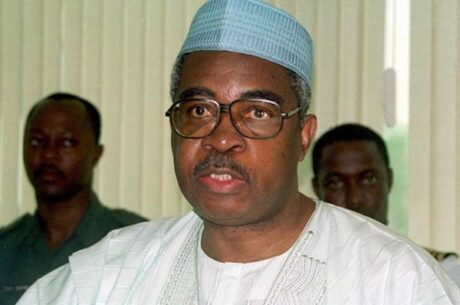
When democracy returned in 1999, President Obasanjo chose a familiar hand to stabilise the military: Lt-Gen Theophilus Danjuma, former Chief of Army Staff. His mission was political as much as security-based — to restore discipline within the military after years of coups and to rebuild trust in a government finally run by civilians.
The Niger Delta had not yet become a full-blown insurgency, but signs of agitation — pipeline vandalism, youth restiveness, early militia formation — were clear. Danjuma’s tenure laid the groundwork for civilian oversight at a time when the armed forces still cast a long shadow over governance.

At the time, the Niger-Delta crisis was still simmering, not yet a full insurgency but already marked by youth restiveness, oil facilities being vandalised, and rising agitation for resource control — all early warning signs of the conflict that would erupt after his tenure.
Rabiu Musa Kwankwaso (2003–2007)

President Obasanjo’s second term brought Rabiu Musa Kwankwaso to Defence — a civilian politician with no military background. His time coincided almost exactly with the rise of full-scale Niger Delta militancy.
By 2004, armed groups were shutting down oil platforms, kidnapping foreign workers and launching attacks that cut Nigeria’s production by nearly half. Kwankwaso, without a soldier’s instincts but with political tact, navigated a ministry in crisis.
Near the end of the administration, Thomas Aguiyi-Ironsi — a diplomat and son of a former Head of State — briefly served as Minister of State for Defence. Though he never served in the military, his lineage gave him a symbolic connection to Nigeria’s security establishment, even if his tenure was too short to make a mark.

Mahmud Yayale Ahmed (2007–2008)
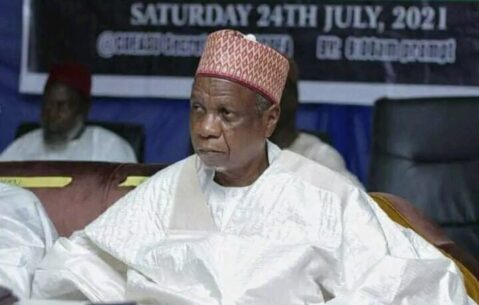
Umaru Musa Yar’Adua entered office with a different philosophy — negotiation, not force. He appointed Mahmud Yayale Ahmed, a career civil servant, as Defence Minister. Yayale brought administrative discipline, not battlefield experience, to a ministry that was exhausted by years of firefights in the creeks.
Under him, quiet conversations about amnesty began. Oil output had dropped sharply, and the economic cost of war was becoming clear.
Shettima Mustapha (2008–2009)
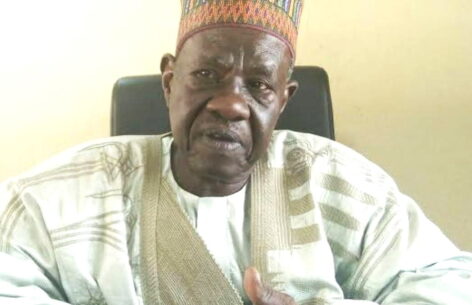
Shettima Mustapha, an academic with years in public service, succeeded Yayale and continued that trajectory. He was not a soldier either, but he understood bureaucracy — and the Delta crisis by then demanded political engineering more than gunfire.
Mustapha was in office when government negotiators were finalising the 2009 amnesty terms. Though his tenure was short, it aligned directly with a turning point: Abuja offered militants a deal to surrender weapons in exchange for cash stipends, vocational training, and a chance at reintegration. It marked the beginning of the end of the Delta insurgency’s most violent phase.
Godwin Abbe (2009–2010)

It was Godwin Abbe — a retired major-general who assumed office in mid-2009 — who finally found himself managing the transition from war to peace. He presided over the rollout of the Niger Delta Amnesty Programme, using his reputation as a respected officer to win the confidence of militants who were tired, divided, and increasingly open to dialogue.
Thousands of fighters laid down their arms, and while sporadic violence continued, the region entered its most peaceful stretch in years. Meanwhile, another threat was looming in the northeast: Boko Haram, whose 2009 uprising had been brutally crushed, only to regroup quietly.
Adetokunbo Kayode (2010–2011)
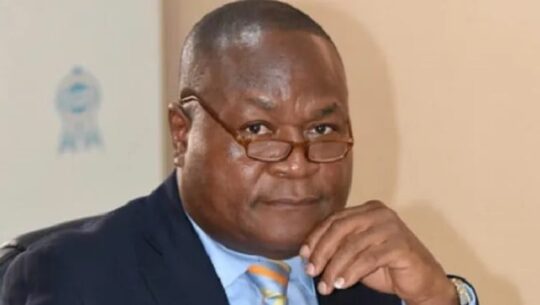
As the Delta calmed, a deadlier threat emerged in the northeast. Defence Minister Adetokunbo Kayode, a lawyer by training, arrived at the ministry just as Boko Haram began its shift from a fringe sect to a terror organisation. His civilian background became a point of tension within the military establishment as suicide bombings hit Abuja, Jos, Kano and Maiduguri in rapid succession.
It was a new kind of war: ideological, asymmetric and far more lethal than the Delta militancy.
Haliru Mohammed Bello (2011–2012)
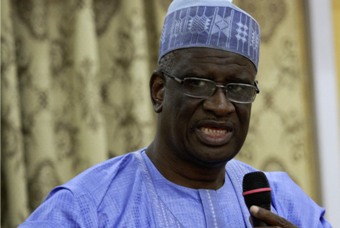
Haliru Mohammed Bello, who followed, also came from a civilian administrative background. Under him, the UN building in Abuja was bombed, signalling that Boko Haram had crossed a line from local radicalism to global terrorism with ambitions beyond Nigeria.
By the time Bello took over, Boko Haram had fully emerged as Nigeria’s primary security challenge. Churches, police posts, UN offices — nothing was off-limits. The Defence Ministry’s focus shifted almost entirely to counter-insurgency operations in the northeast.
Olusola Obada (2012–2013)
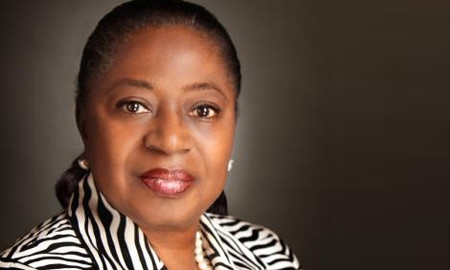
Olusola Obada, first as Minister of State and later as the first woman to serve as Defence Minister, found herself at the centre of a national debate: why was the Nigerian military — Africa’s largest — struggling to contain a group of insurgents? Her tenure exposed deep cracks in the command structure, intelligence sharing, and equipment procurement.
Labaran Maku (Supervising Minister, 2013–2014)
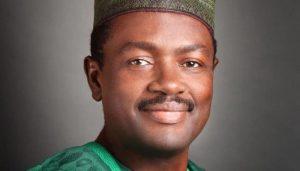
Journalist-turned-minister Labaran Maku served briefly as supervising minister. And during his time, villages were being overrun, and the insurgency had begun shifting from hit-and-run tactics to outright occupation.
Aliyu Mohammed Gusau (2014–2015)
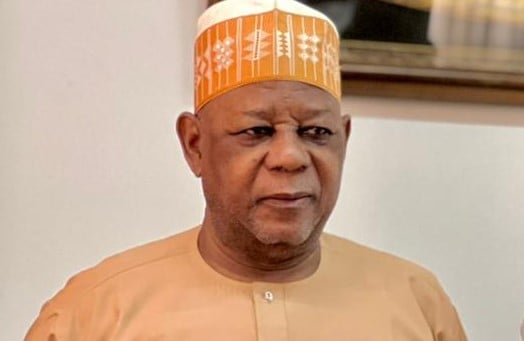
Then came Lt-Gen Aliyu Mohammed Gusau, who was perhaps Nigeria’s most accomplished intelligence officer. A former NSA and military strategist, Gusau’s return was seen as a last attempt at stabilisation. But weeks into his appointment, the Chibok schoolgirls were abducted.
For the first time since the civil war, whole local governments fell under insurgent control. Boko Haram seized multiple local government areas across Borno, Yobe and Adamawa, declaring a caliphate. His time in office was defined entirely by the struggle to regain territory and reverse the insurgency’s momentum.
Mansur Dan-Ali (2015–2019)
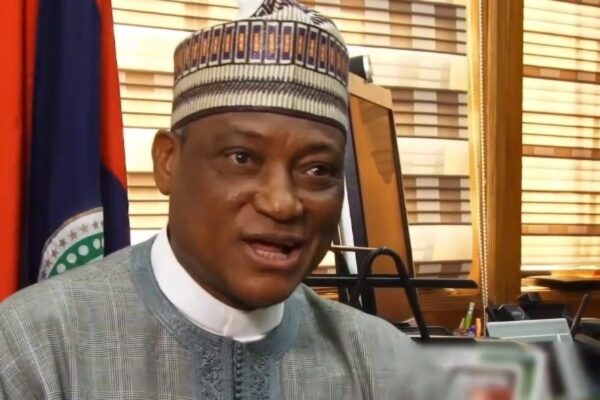
With President Buhari came Brigadier-General Mansur Dan-Ali (rtd), a soldier with experience in logistics and field operations. Under him, Boko Haram lost major territories — but the security landscape changed shape.
Bandits in the northwest began unleashing waves of violence. Herders were attacking farmers in the Middle Belt, and they became massacres. Kidnapping gangs along highways held entire regions hostage.
Dan-Ali’s military pedigree helped in some theatres, but Nigeria was no longer fighting a single insurgency; it was being pulled apart by multiple ones at once.
Bashir Magashi (2019–2023)
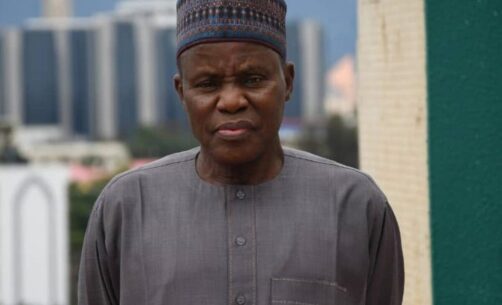
Major-General Bashir Salihi Magashi, another seasoned officer, entered office during a fragmented and complicated period. ISWAP grew more sophisticated. Banditry turned into parallel rule in parts of the northwest. IPOB-related unrest surged in the southeast.
Magashi represented the old-guard military mindset — decisive, traditional, orderly — but the threats he faced were anything but traditional.
Mohammed Badaru Abubakar (2023–present)
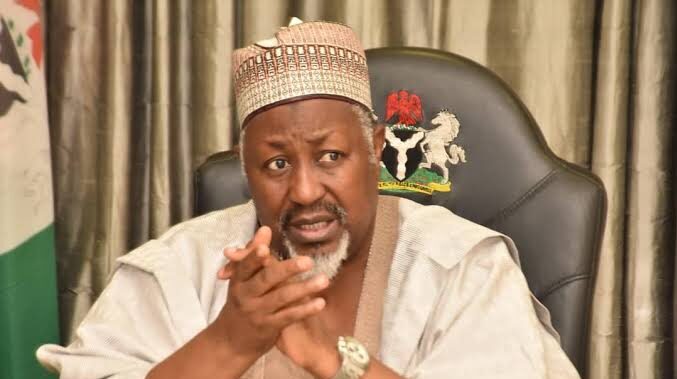
President Tinubu’s administration broke with tradition by appointing Mohammed Badaru Abubakar, a businessman and former two-term governor with no military background, as Defence Minister.
Badaru has faced the darkest chapter yet: hundreds of schoolchildren abducted in multiple states, churches attacked and worshippers killed, states shutting down entire school districts, bands of kidnappers overrunning towns and highways, rising fear of religiously targeted violence, and rural communities abandoned because of bandit raids.
His soft-spoken, administrative style contrasts sharply with the scale of the crisis. To many Nigerians, the insecurity under his watch feels less like insurgency and more like societal collapse.
Working with him is Bello Matawalle, former governor of Zamfara and now Minister of State for Defence. Matawalle comes from the very region devastated by banditry; his governorship was marked by controversies over negotiations with armed groups. Now, as a federal minister, he confronts — on a national scale — the same menace that confounded his state.