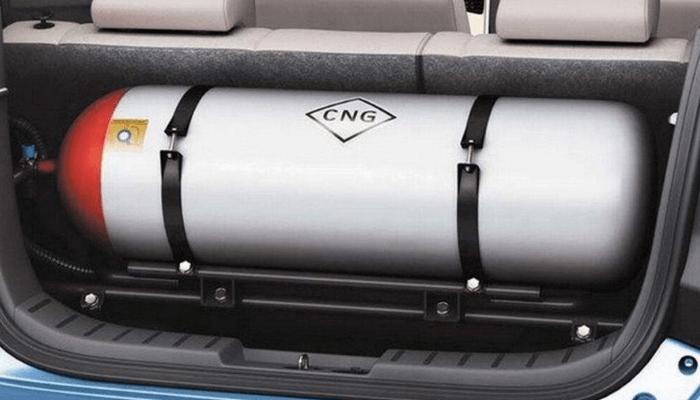
As Nigeria continues to reshape its energy landscape, the transition from PMS to compressed natural gas (CNG) stands out as one of the country’s most promising reforms. Such a significant PMS subsidy could no longer be continued by the government. So, the combination of rising fuel prices and the removal of subsidies has created both a challenge and an opportunity — to develop a cleaner, more affordable, and locally sourced energy solution for Nigerians.
Compressed Natural Gas (CNG) offers a practical and locally available solution — one that can reduce transport costs, lower emissions, and create new industrial opportunities across the value chain. With abundant natural gas reserves and an expanding distribution network, Nigeria is well-positioned to lead Africa’s shift toward cleaner mobility. However, like every successful transition, this process requires careful planning, early investment, and strong institutional support to ensure lasting success.
The rollout of a national CNG programme is much like the operation of an internal combustion engine. Without a proper start, the engine cannot run; but once it is ignited, it continues to operate on its own. In the same way, the successful adoption of CNG as an alternative fuel requires an initial push — a “spark” provided by the government through early incentives, clear policies, and investment in infrastructure.
Once this early momentum is created, the system begins to sustain itself. Private investors, transport companies, and vehicle owners gradually step in, expanding the market, improving service quality, and strengthening the entire CNG value chain. Over time, the need for government intervention decreases as the market becomes self-driven and economically stable.

However, public confidence is the foundation of every successful CNG programme. No matter how attractive the economic benefits may be, widespread adoption can only occur when people are assured of safety. This assurance comes from one essential element: strict adherence to international standards in CNG component manufacturing, installation and periodic inspection.
Still, I face this question in Nigeria: is it really safe?
Other countries’ experiences provide powerful examples for Nigerians. Twenty years ago (2004, xxxxxx), during an airplane crash incident in Tehran, a CNG bi-fuel vehicle was caught in the fire near the crash site. I was dispatched to the scene in order to investigate the situation from a CNG safety point of view.
Despite the extreme heat and serious accident, the vehicle’s CNG cylinder did not explode — instead, its Pressure Relief Device (PRD) functioned exactly as intended, safely venting the gas and preventing any explosion or rupture in the cylinder. This incident stands as real-world proof that standard-compliant CNG systems are inherently safe, even under catastrophic conditions.
For Nigeria, this lesson is especially important. As the nation accelerates its CNG rollout, maintaining strict compliance with international safety and performance standards must be a top priority. By ensuring that all components and vehicle conversions are certified, inspected, and traceable, Nigeria can build a CNG sector that is both sustainable and safe — one that gains the confidence of its citizens and sets a benchmark for the continent.


Is it enough if standard kit and cylinders are used? No. It needs to be followed by on-time periodic inspections and retests based on international standards and the manufacturer’s recommendations, especially for CNG cylinders.
Corrosion is one of the most significant threats to CNG cylinders, particularly in regions with high humidity such as Nigeria. The photo below illustrates a cylinder that was severely damaged due to inadequate periodic inspection — a process that international standards clearly mandate. Without timely periodic inspections, even a cylinder that was safe when installed can deteriorate over time, creating serious risks.

This example highlights a critical lesson for Nigeria’s CNG rollout: adherence to periodic inspection requirements is not optional. Implementing regular, certified inspections, combined with proper installation and usage practices, will protect public safety and ensure the long-term reliability of the CNG infrastructure.
Nigeria’s government and private sector are making commendable strides in advancing CNG rollout initiatives, signalling a strong commitment to cleaner energy and reduced fuel costs. Yet, the long-term success of these investments depends fundamentally on the consistent enforcement of safety standards and the quality assurance of all components and conversion processes and timely periodic inspections. If safety precautions are neglected and incidents such as explosions occur, public confidence in CNG technology will be severely undermined — and no economic advantage will be sufficient to restore trust. In such a case, all investments made in this transition risk are being compromised.
Omid Hamidkhani is an alternative fuels development consultant.