More Nigerian families are turning to the In-vitro fertilization (IVF) procedure leading to a boom in a market valued at over N17billion as improved awareness fuels greater patronage but absence of efficient regulation has constituted a threat, medical experts say.
Between 5,000 and 10,000 couples every year, turn to the procedure according to figures given by practitioners at the 7th International Conference on Fertility and Reproductive Health held in Lagos last year, who say they have the technology and expertise to compete globally.
At an average cost of N1, 706,000 for full procedure, it values the market at N17billion yearly.
Globally, the IVF market is expected to reach $27 billion by 2022, according to a report by Grand View Research, Inc, a U.S. based market research and consulting company.

The number of couples seeking the procedure in Nigeria may have doubled according to observations by half a dozen doctors interviewed for this story but without a regulator, many couples are turning to quacks who, at a lower cost offer poor service to couples concerned about the social stigma of childlessness in Nigeria.
“Increasingly, IVF treatment is becoming more acceptable and the market size is growing, but couples need to be discerning about who they turn to as no one is properly regulating it at the moment,” said Jide Ojo chief executive officer, the Bridge Clinic, a fertility centre based in Lagos.
Ojo further said a new body; the Association for Fertility and Reproductive Health (AFRH) is working out regulation for operating clinics.
This uptick in IVF procedure in Nigeria is attributed to a rise in the number of married couples suffering from infertility, owing to urbanisation, pollution, stress, and lifestyle patterns.
“Men are beginning to realise that infertility is not a female issue alone, so they now submit themselves for treatment,” Ojo said.

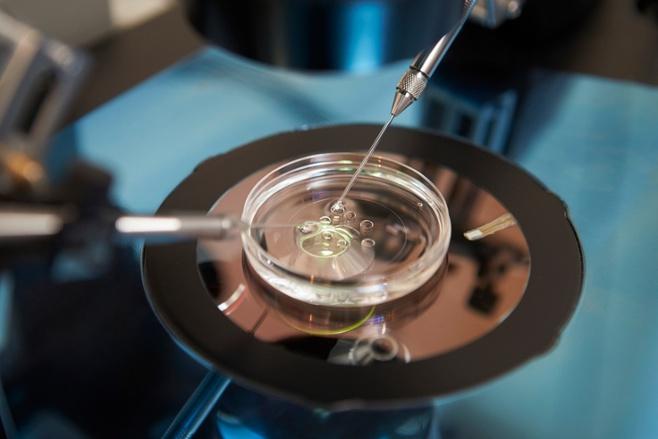
IVF methods range from using ultrasound scans, blood and urine tests to accurately pin point if and when ovulation is occurring to the more complex Intra Cytoplasmic Sperm Injection (ICSI) where an egg is assisted to be fertilised by injecting a single sperm into each egg using a microscopic technique.
BusinessDay gathered that the cost of the procedure is competitive in Nigeria compared to other countries. A single cycle IVF treatment ranges between N870, 000 and N1, 760,000.
However, the average cost of the complete cycle in clinics of comparable quality abroad ranges from $12,146 (N4.3million) in the United States of America, to $6,475 (N2.3million) in Saudi Arabia, and $4,190 (N1.5million) in the United Kingdom.
Kemi Ailoje, chief medical director of Lifelink Fertility Clinic explained that the cost of IVF treatment depends on the diagnosis. Some patients require the use of their own egg or sperm while others may benefit from donors and some may even need a surrogate.
“There is an increased level of awareness about IVF now in Nigeria with less stigmatisation and the success rate has also increased which makes it a viable option in the field of infertility management,” Ailoje, said.
Ailoje also harped on the need to improve regulation stating that in the last few years, the Lagos State government has had joint meetings with practitioners to ensure policy is formulated and implemented by ART practitioners.
Abayomi Ajayi the managing director, Nordica Fertility Centre says better financing arrangement will reduce recourse to quacks.
“In Nigeria, we pay out of pocket and majority of Nigerians may not afford multiple cycles, but one of the ways we have encouraged them is to have packages that they can afford. Apart from reducing the price, we also provide emotional support and give couples enough information before they even start to let them know the success rate,” Ajayi said.
“We also enlightened them that if the IVF fails, the best way to go about it is to embark on multiple cycles. The more the cycles that they do, the better their chances of success.”
Advanced ART facilities in Nigeria, has reduced medical tourism for IVR purposes, experts say. Clinics in the country have introduced newer techniques, which can offer better success rate at an affordable cost.
Faye Iketubosin, president AFRH, said couples have a right to have options.
“There are about 12 million infertile persons in Nigeria and it is their legitimate right in a democratic society like ours to have this right to life treatment and available evidence shows that a significant proportion of infertility in this environment is only ‘amenable’ through Assisted Reproductive Technology,” Iketubosin said.
“The rapidly unfolding development of ART practice informed the coming together of all centres in Nigeria to check unethical practices and abuse within the industry. The largely unregulated industry still solicits further involvement from the government in achieving the minimum standard for establishing IVF clinics.”