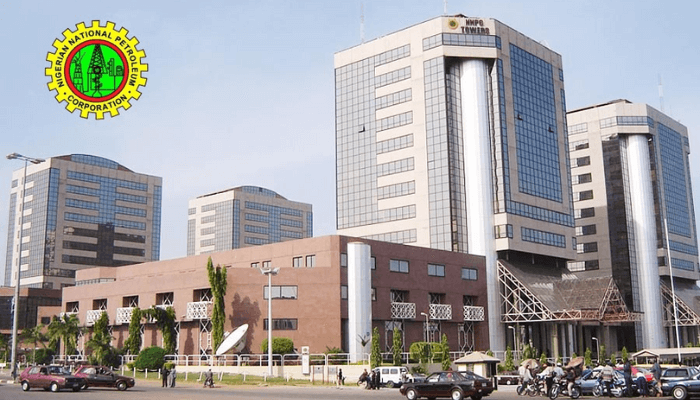
Nigeria’s oil sector is once again at the center of a major corruption storm, as arrests and investigations around the mismanagement of over $2.9 billion meant for refinery rehabilitation continue to send shockwaves through the country.
Economic and energy experts have called for a comprehensive probe, immediate prosecution of those involved, and sweeping reforms to prevent a recurrence.
The Economic and Financial Crimes Commission (EFCC) recently apprehended several top former officials of the Port Harcourt, Warri, and Kaduna refineries over alleged financial irregularities in the multi-billion dollar rehabilitation projects.
Among those arrested are Ibrahim Onoja, former Managing Director of the Port Harcourt Refining Company, , and Efifia Chu, the ex-Managing Director of Warri Refining and Petrochemical Company.

Read also: NNPCL under pressure as Warri refinery shutdown drags on, PHarcourt refinery underperforms
Investigations are focusing on $1.56 billion allocated to Port Harcourt refinery, $740 million to Kaduna, and $656 million to Warri.
Reacting to the development, economics expert Alex Nnaemeka said anti-graft agencies like the EFCC and the Independent Corrupt Practices Commission (ICPC) must go beyond surface-level investigations.
He emphasised the need to identify accomplices still in active service and flush them out to cleanse the Nigerian National Petroleum Company Limited (NNPCL) and serve as a deterrent to others.
According to him, the situation demands that all suspects be taken into custody as a matter of national interest.

“Hopefully they cooperate, and if found guilty, they pay for their crimes,” he added.
Nnaemeka also drew attention to the disparity between oil-producing communities and other regions benefitting from oil revenues, lamenting that while the Niger Delta remains impoverished, officials in the North and West appear to be looting the proceeds.
An energy sector expert who weighed in on the situation described the unfolding events as not just troubling, but as a damning indictment of systemic failure within Nigeria’s oil sector.
The expert argued that the $2.96 billion under investigation could have been used to build at least two brand-new modular refineries equipped with modern technology and higher output efficiency.
He also decried the recent discovery of N80 billion in a personal bank account linked to one of the suspects, calling it a clear sign of internal control failures and regulatory lapses.
He criticized the earlier government narrative that the refineries were resuming operations at 70% capacity, describing such claims as political theatre.
According to field reports and plant staff testimonies, the facilities have remained largely non-functional.
The absence of catalytic reforming units in both Warri and Port Harcourt refineries, which are essential for producing Premium Motor Spirit (PMS), renders them structurally incapable of meaningful production.
The expert blamed this on poor project planning and misleading public communication.
Godwin Ekpe, economic analyst also condemned the decision to rehabilitate decades-old refineries without first ensuring the availability of crude supply pipelines.
He pointed out that without functional feedstock infrastructure like the Escravos-to-Kaduna pipeline, the refineries were never going to be viable.
Ekpe said a more strategic option would have been the construction of smaller, modular refineries tailored to Nigeria’s current market needs.
He called for a critical review of the role of the NNPCL and its former Group Chief Executive Officer, Mele Kyari, noting a pattern of public deception, financial mismanagement, and media manipulation.
Read also: Experts advise NNPCL boss on industry reform to enhance investor confidence
He urged the government to conduct a forensic audit not just of the funds spent but also of the procurement process, contractor engagement, and project milestones.
Ekweribe Odo, Public affairs analyst noted that the ongoing crisis is further compounded by threats of a strike from support staff.
He said the government’s inability to meet basic obligations to its frontline workers reveals deep-rooted issues in project governance and stakeholder management.
Even if the refineries were technically restored, he warned, their long-term sustainability would remain in question.
Odo argued that the scandal is emblematic of broader leadership, integrity, and vision failures.
Without comprehensive reforms, independent oversight, and genuine commitment to transparency, he warned that Nigeria’s oil sector risks remaining trapped in a cycle of waste, inefficiency, and public betrayal.
As investigations continue, analysts are of the options that the federal government and anti-corruption agencies must only bring the culprits to justice but also to take decisive steps toward reforming one of the country’s most critical economic sectors.