|
Getting your Trinity Audio player ready...
|
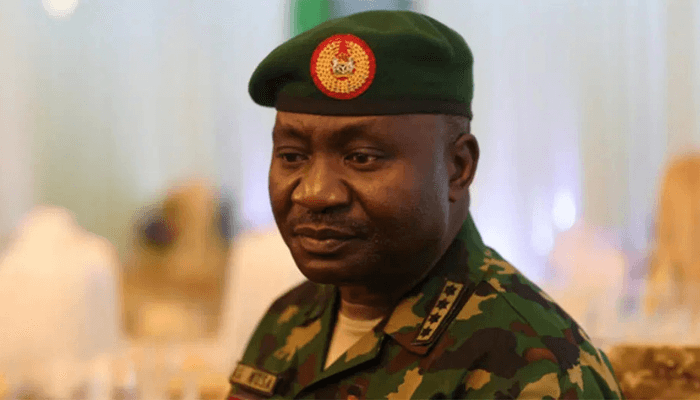
As Nigeria confronts a surge in violent attacks, kidnappings, and insurgent activity, the appointment of retired General Christopher Gwabin Musa as the new Minister of Defence has ignited fresh optimism among citizens desperate for stability.
Musa, who only recently concluded his tenure as Chief of Defence Staff, was confirmed by the Senate after a rigorous five-hour screening. His return to public service comes at a turbulent moment, with many Nigerians calling for stronger leadership and more coherent strategies to tackle the country’s layered security challenges.
Born in 1967 and commissioned into the Nigerian Army in 1991, Musa has served in virtually every major conflict corridor in the country. From commanding operations in the North East to leading the Multinational Joint Task Force in the Lake Chad region, he is widely regarded as one of the military’s most experienced operational commanders.
For many, this background offers a rare glimmer of hope.

Human rights lawyer Ifeanyi Ejiofor said Musa’s appointment feels like “a long-awaited correction,” describing him as a leader whose results as CDS were “too significant to ignore.”
Read also: Senate confirms Christopher Musa as Defence Minister after marathon screening
“He was not a man of noise; he was a man of results,” Ejiofor said. “Under his command, bandit groups and terror networks felt the strength of the Nigerian state. This is the kind of leadership the Defence Ministry needs right now.”
A Lagos-based security professional, Kola Adeyemi, also welcomed the appointment, calling it “arguably the president’s best ministerial decision so far.”
“General Musa brings clarity, discipline, and unmatched field experience,” Adeyemi said. “At a time like this, Nigeria needs someone who understands both strategy and reality on the ground. His appointment is timely and reassuring.”

President Bola Ahmed Tinubu, in his letter to the Senate, expressed confidence that Musa would “strengthen Nigeria’s security framework” and restore strategic direction to the Defence Ministry. His appointment follows the resignation of former Defence Minister Mohammed Badaru, who stepped down citing health issues after facing public criticism over comments on the difficulty of bombing terrorists in forest hideouts.
As Musa assumes office, expectations are high. Many believe that his firsthand knowledge of the battlefield and his experience leading theatre commands could help reshape Nigeria’s counterterrorism and anti-banditry operations.
For now, Nigerians are watching closely, hopeful that Musa’s leadership will deliver the security breakthroughs the nation has long awaited.