|
Getting your Trinity Audio player ready...
|
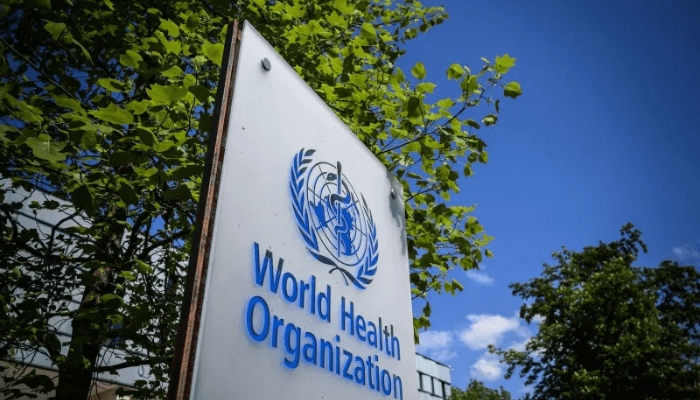
The World Health Organization (WHO), has raised the alarm that Nigeria loses about $1.2billion yearly from its economy to medical tourism.
Habibu Yahaya, the World Health Organization Coordinator in Ondo State, disclosed this on Thursday at the 4th annual public health grandround, organized by the School of Public Health of the University of Medical Sciences (UNIMED), Ondo City, Ondo State.
Yahaya, who spoke on the theme; “Health Systems Strengthening: Building Resilience for the Future,” however, submitted that “health systems fragility results in about $1.2 billion lost from the Nigerian economy to medical tourism yearly.”
According to him, this was not unconnected with the acute shocks often experienced by the country’s health system.

Read also: Nigeria has made tremendous improvement in surgery – Medical expert
He noted that, “Nigerian health systems face acute shocks such as epidemics and pandemics, as well as chronic stressors like poor funding and persistent industrial actions, among others.”
Earlier in her welcome address, the Acting Dean of the School of Public Health, Ofonime Johnson described the grandround as an annual scientific gathering that provides a platform for discussing emerging public health challenges.
While the Acting Vice-Chancellor of the institution, Adolphous Loto stressed the importance of system resilience in public health saying “resilience is the ability of that system to withstand pressure without breaking.”
To this end, he, however, said “building our health system to resist shocks while continuing to deliver essential services is non-negotiable”.

BusinessDay reports that the gathering pointed out that one of the factors responsible for weak health systems is the human resource gap.
During a panel session tagged “Human Resource Gaps in Healthcare,” which was moderated by the Vice-Dean of the School of Public Health, Ibukun Adesiyan and the Chairman, Committee of Deans, Ezekiel Adebayo said UNIMED was established with the vision of solving Nigeria’s human resource gaps in healthcare.
Adesiyan and Adebayo, who noted that the University runs the highest number of accredited health professional courses in any Nigerian university said “we are the only University in West Africa training dental surgeons, technologists, and therapists at the degree level”.
Read also: OOOF to conduct free weeklong medical outreach in Lagos
The panelists at the event, drawn from the academia, government and the health sector, emphasised the need for task shifting, improved remuneration, sustainable health financing, emergency preparedness and health security,community engagement and equity, innovation and research, better referral systems and use of accurate workforce data to strengthen the health systems in Nigeria.