Bitter leaf is botanically known as Vernonia amygdalina.
The green bitter leaf is a member of the daisy family and a small shrub that grows in tropical Africa, and, of course, Nigeria is home to bitter leaf.
This vegetable is ubiquitous and grows virtually everywhere.
From every simple garden to the front yard, and across farms as well as by the roadside, bitter leaf is a common phenomenon in the most populous black nation on earth.

The business of bitter leaf and the ubiquitous presence of bitter leaf lovers have greatly helped to boost the economic empowerment of Nigerians, at home and abroad.
Little wonder that many small-scale and medium-scale businesses have gained traction through the bitter leaf venture and enterprise, especially the buying, selling and even exporting of the vegetables.
No wonder, most African stores across the US, UK, Australia and others play host to fresh and dry bitter leaf.
Apart from easily growing in the tropics, it is seen as a very homely plant, since it flourishes effortlessly.
Commonly called bitter leaf in English because of its bitter taste, other Nigerian and African common names include Congo Bololo (Democratic Republic of Congo), grawa (Amharic), ewuro (Yoruba), etidot (Efik), onugbu (Igbo), ityuna (Tiv), oriwo (Edo), Awɔnwono (Akan), chusar-doki or shuwaka (Hausa), mululuza (Luganda), labwori (Acholi), olusia (Luo), ndoleh (Cameroon) and olubirizi (Lusoga).

Bitter leaf is very good for consumption, even though very bitter.
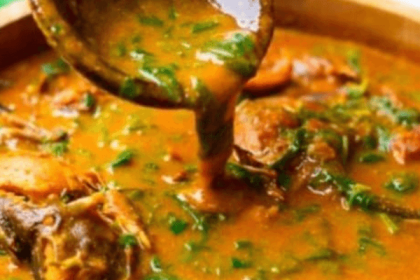
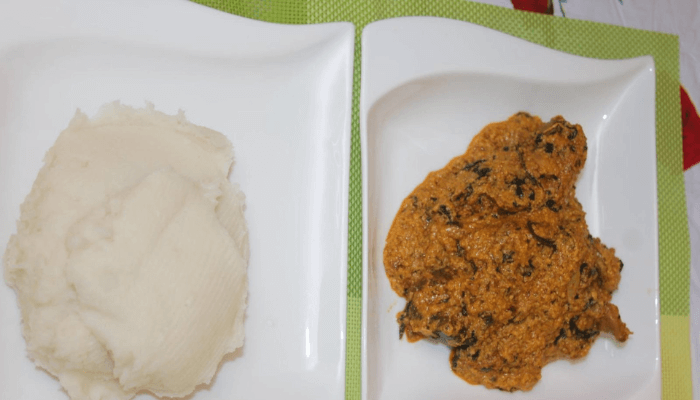
The most distinctive part of the bitter plant is its bitterness but when used in making local, cultural, and traditional soups and sauces or added as vegetable garnishings to other meals and local delicacies, the beauty of the bitter leaf is clearly revealed.
Fact file
Looking at the culinary uses of the leaves, there are common methods that are prevalent amongst bitter leaf lovers. Even from the markets, the veggies are usually washed multiple times to reduce the bitterness before being used in soups or stews.
As for the medicinal uses, natural bitter leaves are most times, traditionally used to treat snake bites, fever, stomach aches, and infections.
Squeezed separately and sieved; the bitter juice is usually taken alongside some sugar or honey, like that or sometimes consumed directly or as a tea.
The cultivation of bitter leaf is quite unique in Africa and Nigeria.
The vegetable is hardy, well known as a 2–5m shrub that thrives in direct sunlight and well-drained soil. It is often found near water sources and even cultivated across gardens.
The nutritional value of this tropical vegetable is unique. It is rich in iron, calcium, and potassium, even as the leaves contribute to the overall health and immunity of the body.
In summary…
• Bitter leaf has been used as food and medicine for centuries in Africa.
• It has been used in the management and treatment of several health conditions.
• These include malaria, diabetes, loss of appetite, diarrhoea, fatigue and cough.
• Bitter leaf is consumed at least once a day by most people in the southeastern part of Nigeria as a cultural and traditional soup.
• Traditional soups made from bitter leaf are used for culinary and medicinal purposes.
• Bitter leaf juice is usually extracted from the leaves, and this serves also as a very good healthy juice, but it must be taken with caution, because it is highly anti – biotic, and too much intake can cause anaemia.
• This is because a new study warns that high consumption of bitter leaf by humans can lead to anaemia, especially in menstruating and pregnant women.