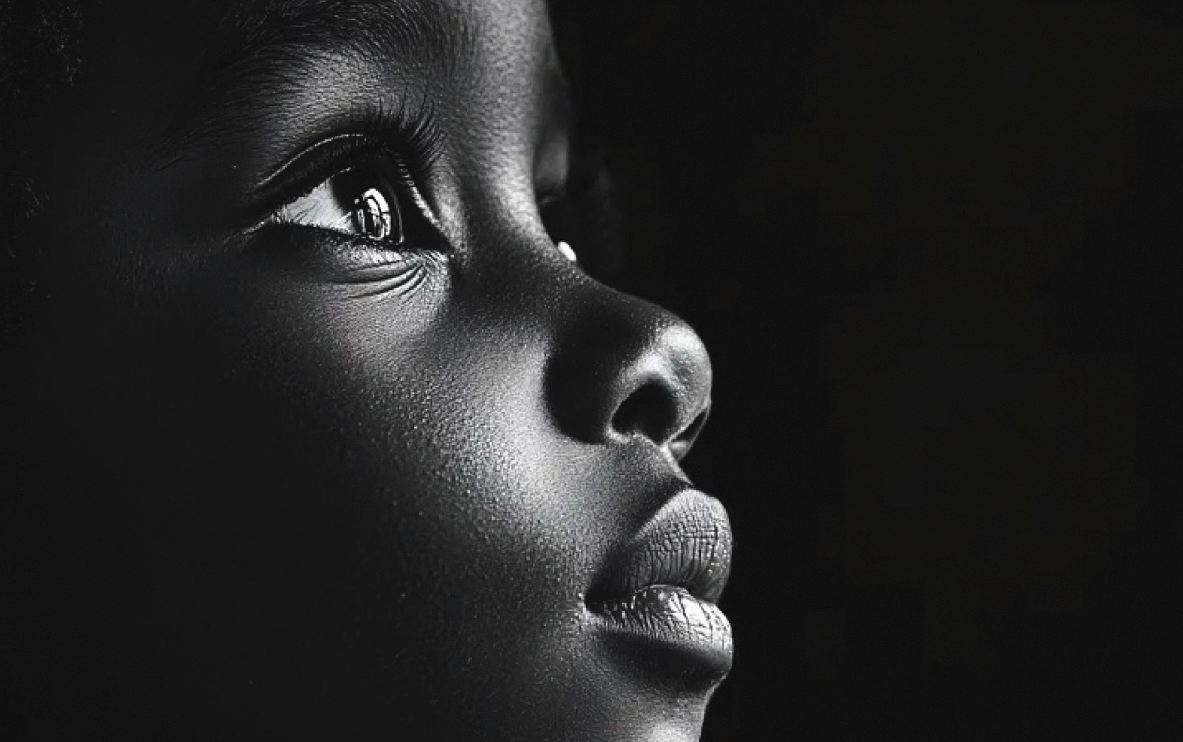
The world just celebrated another International Day of the Girl Child, on October 11. Across continents, campaigns showcased girls’ brilliance – as coders, innovators, climate activists, and leaders-in-waiting. In Nigeria, we joined the celebration too, with schools and organisations posting proud photos and promising hashtags. Yet behind the cheer lies an uncomfortable question: why are Nigerian girls celebrated as future leaders of the world, but rarely positioned to lead Nigeria itself?
Over the past decade, girls’ agency – their ability to act, decide, and shape their futures – has gained prominence in global development discourse. Across Africa, governments, international agencies, and nonprofits have poured resources into “girl empowerment” programmes. Yet, as many gender scholars argue, even where girls’ participation is visible, their voices are too often sidelined. Increasingly, our homes, schools, and communities reflect this tokenism. Rather than expanding girls’ genuine agency, we are witnessing an optic trend where girls are invited to speak, but rarely to decide.
In Nigeria, this exclusion is even more pronounced. Despite the growing rhetoric of inclusion, girls’ direct participation in decision-making remains underdeveloped. They are often seen as beneficiaries of development, not co-authors of it. When heard at all, it is within frameworks designed by adults, shaped by donors, and constrained by politics.
This dynamic is most visible in our politics and public life. Girls are told they are “leaders of tomorrow,” yet Nigerian society continues to project oppositional girlhoods – complex realities reduced to competing stereotypes. The same logic governs how women in leadership are treated. When a woman enters formal power, she becomes a symbol, “proof” that women are breaking barriers. Yet such inclusion is often tokenistic, tolerated only when it remains symbolic rather than transformative. When women assert independent authority, backlash follows, from male colleagues, online mobs, and sometimes from other women conditioned to police female assertiveness.

Senator Natasha Akpoti-Uduaghan’s mistreatment in a male-dominated Senate reflects Nigeria’s sad reality. Her story and experience send a clear message to young Nigerian girls, that women’s leadership is tolerated only when it is quiet, docile, and compliant. It is the paradox of representation; girls are told they can lead but punished when they do.
A recent tragedy has further deepened this anxiety. In Lagos State, four newly elected women politicians died within two months of taking office, a coincidence that unsettled many. Beyond the speculation lies a quiet psychological toll on young girls, who may see these deaths as a warning that women who rise to lead in Nigeria are destined to fall.
This collective conditioning shapes national destiny by preventing girls and women from daring to imagine leadership at all. It compels us to ask whether Nigeria truly desires girls and women as leaders or merely performs empowerment to please global donors.
As of 2025, women occupy only about 3.4% of Nigeria’s national assembly seats – one of the lowest rates in Africa. By contrast, Rwanda leads with over 60% female representation, while South Africa (46%), Senegal (43%), and Ethiopia (39%) continue to show that African women are not only capable of leadership but are transforming governance when given space. The gap is not ability; it is opportunity and political will.
Compounding the issue is what sociologists call the “economisation of empowerment” – the reduction of women’s and girls’ empowerment to economic participation. In Nigeria, empowerment has become synonymous with entrepreneurship, vocational skills, and small loans. Education is redefined as a route to employability rather than emancipation. This framing drains empowerment of its radical promise. It raises girls who can earn, but not necessarily those who can influence.

As someone who has worked closely with schoolgirls, I have seen both the fragility and the brilliance of their voices. When girls are invited to speak as partners, not participants, their insights are profound. Across the world, Nigerian girls are shaping global conversations in technology, climate activism, and policy. Yet many of these girls find more freedom to lead abroad than at home, where courage is tolerated only when it does not challenge patriarchal comfort.
To change this, Nigeria must take girls seriously, not as symbols or slogans, but as stakeholders. We must design education policies that embed girls’ perspectives from inception, dismantle norms that equate confidence with defiance, and build national narratives that celebrate women’s leadership as progress, not anomaly. Empowerment must move from token gestures to transformative inclusion, where girls are not trained merely to adapt but equipped to reshape.
But women themselves must also unite. History shows that no liberation has ever been granted; it has always been claimed. Nigerian women must speak in one voice, beyond party lines, tribes, or faith, to demand inclusion as a right, not a favour. Too often, women are divided against one another, allowing systems of exclusion to persist unchallenged. The struggles of women like Senator Natasha should be every woman’s cause. Until Nigerian women wield their collective power, international bodies and donor agencies can only go so far.
True empowerment demands courage and unity. The world already believes in Nigerian girls – their brilliance, resilience, and audacity. The question is whether Nigeria itself will finally believe in them enough to let them lead, not just the world, but their own country.