|
Getting your Trinity Audio player ready...
|
Currency market liquidity in Nigeria is set to remain challenging in the second half of 2016 due to low oil prices, which could push up credit risks for lenders as naira weakness makes loans harder to service, Reuters reports a Central Bank report as saying.
The Central Bank said the move to a flexible exchange rate regime had led to a sharp fall in the naira and contributed to the decline in asset quality for the banking sector.
“Although the outlook for the rest of the year appears to be challenging, the current measures put in place … are expected to minimize the impact of shocks to the domestic economy,” the bank said in its half-year financial stability report.
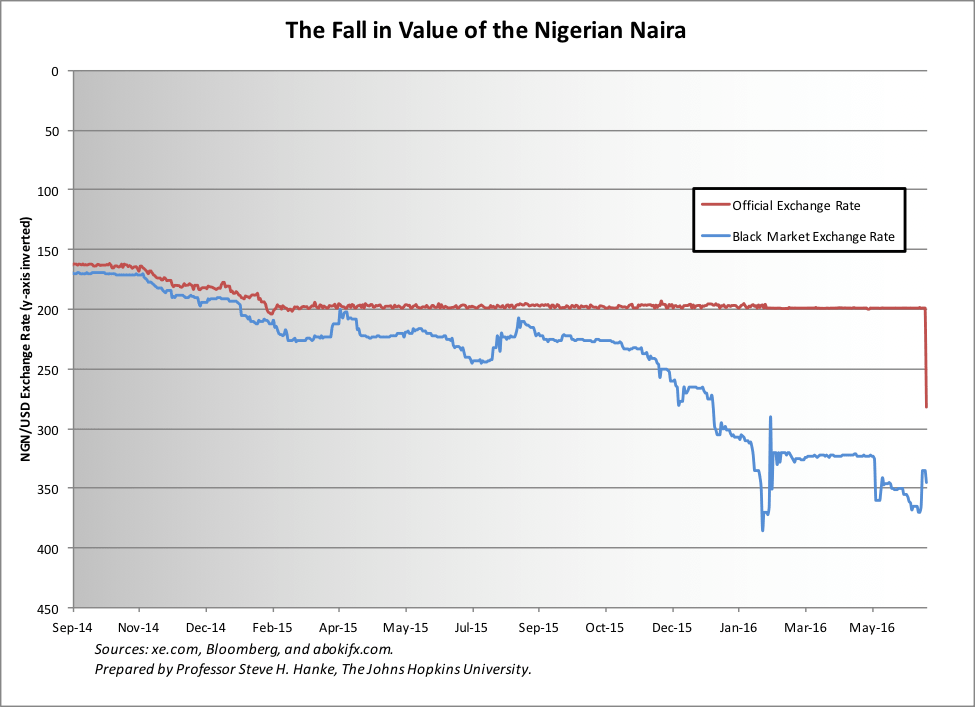
Nigeria floated the naira currency in June to conserve foreign reserves, resolve a chronic dollar shortage, and lure investors who fled as a slump in oil prices pushed the economy into its first recession for 25 years.
Dollar scarcity has persisted after the 16-month-old peg of 197 naira per dollar was lifted, however, frustrating businesses which need dollars to pay for imports.
Read also:https://businessday.ng/exclusives/article/central-bank-mop-liquidity-support-naira/
The naira has weakened to as low as 485 per dollar on the black market in recent weeks while holding firm at around 305 on the official market, supported by central bank interventions.
The government’s statistics office on Wednesday said the economy was likely to shrink by 1.3 percent in 2016, a sharp downward revision of its estimates prompted by the naira’s fall after dollar peg was dropped.
Central Bank Governor Godwin Emefiele has told depositors and investors not to panic about the state of the banking system, saying he was on top of any trouble resulting from the worst crisis in Africa’s biggest economy for decades.
But Nigeria’s 21 banks have been laying off staff, closing branches and slashing earnings forecasts as the economic crisis worsens. The regulator said credit risk could rise into the second half due to higher loan charges and debtors’ inability to service dollar borrowing, particularly oil and gas loans.