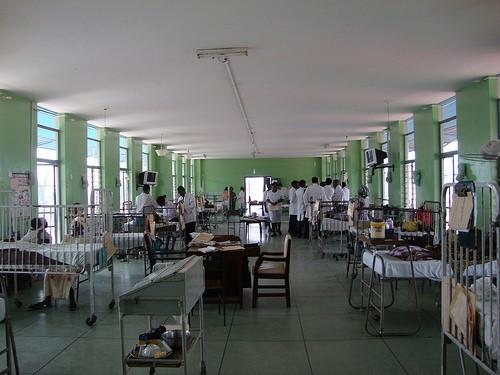
The Nigerian Communications Satellite Limited (NigComSat) has entered into a strategic partnership with MySmartMedic, a health technology subsidiary of Uniccon Group, to expand access to digital healthcare services across rural Nigeria, where an estimated 70 percent of the population resides.
The collaboration was formalised through a Memorandum of Understanding signed on Monday at Uniccon Group’s headquarters in Abuja, marking a push to leverage satellite connectivity to bridge healthcare access gaps in underserved communities.
Jane Nkechi Egerton-Idehen, NigComSat’s Managing Director, said the initiative is designed to extend digital health services beyond urban centres to some of the country’s most remote locations.
She noted that reliable connectivity remains the foundation for delivering essential services and emphasised that satellite infrastructure provides nationwide coverage, including areas beyond the reach of terrestrial networks.

According to her, expanding digital healthcare aligns with broader efforts to integrate rural communities into Nigeria’s growing digital economy, where access to health, education and agricultural services increasingly depends on connectivity.
Chuks Ekwueme, Chairman of Uniccon Group,, described the partnership as part of a wider technology-driven agenda aimed at addressing structural challenges across Africa.
He said MySmartMedic was developed to deliver affordable and accessible healthcare solutions tailored to local realities, with a strong emphasis on indigenous content and inclusivity.
Ekwueme explained that the platform allows users to communicate symptoms in local languages and receive guidance in clear, familiar terms, a feature he said enhances adoption and usability in rural communities.
He added that satellite connectivity provided by NigComSat would serve as the backbone for reaching populations that lack stable internet infrastructure.

The initial rollout will cover Nasarawa, Yobe, Borno and Zamfara states, with plans for broader expansion.
Both organisations said the initiative aims to close the connectivity and affordability gap in healthcare delivery, positioning digital tools as a scalable solution to improve outcomes in underserved regions.