The Nigerian Content Development and Monitoring Board, (NCDMB) says it target over 300,000 direct jobs in its 10 years development plans just as it disclosed that 40 percent of Vessels operating currently offshore are owned by Nigerians.
According to the agency, 10 years from now, it is envisaged that around 300,000 job would be created, retain $14 billion out of $20 billion. .Above all, it is pursuing that Nigeria should be able to build ships and seriously engage in manufacturing.
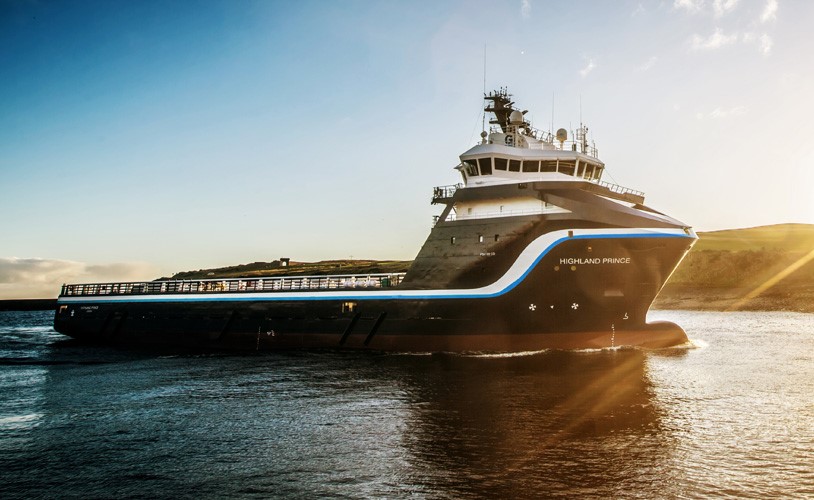
This according to the board, the 40 percent marine vessel ownership is an increased of 35 percent, from five percent recorded in 2010 when the board was inaugurated.
The board as part of it 10 years roadmap, also stated that plans are ongoing to increase the Nigeria content percentage in the oil and gas industry to 70 percent by 2027.

Speaking during the Nigerian Content Workshop for Media stakeholders in Lagos, the General Manager, Corporate Communications and Zonal Coordinator, NCDMB, Ginah O. Ginah, said: “Prior to the inception of the NOGID Act, less than five percent Nigerian Content value exists in-country.
“But since we came up, that percentage has risen to about 30 percent. 40 percent of Marine Vessels currently operating in the sea are owned by Nigerians.”
He further stated that the nation households have a shortfalls of over 20 million Liquefied Petroleum Gas, LPG, also known as cooking gas and that the agency is doing everything possible to help bridged this gap hence it desire to partners with Rungas to set a gas cylinder manufacturing company in Bayelsa.
He said the key thrusts of the NOGICD Act of 2010 was to Integrate oil producing communities into the oil and gas value chain, maximise participation of Nigerians in oil and gas activities, maximise utilization of Nigerian resources such as goods, services and asset, Attract investments to the Nigeria oil and gas sector (service providers, equipment suppliers etc, Link oil and gas sector to other sectors of the economy, Foster institutional collaboration.
He said it target 70 percent retention of Industry spend by 2027.

According Ginah Ginah, the10 years plans of the agency is built on five pillars, namely technical capability development, compliance & enforcement, enabling business environment, organisational capability, and sectoral and regional market linkage.
Technical capability he said will extend and deepen in country in the oil and gas industry while compliance & enforcement will ensure Nigeria Content implementation is enhanced through the mobilization of appropriate tools, policies and framework.
Enabling business environment will facilitate a commercially viable business environment that encourages increased sector investment, and organisational capability is to enhance building effective internal structures in terms of people, skills, processes and systems to support the Board’s Increase industry operations.
In the area of sectoral and regional market linkage, this will make contribution to the National GDP and facilitate access of Nigerian-made goods and services to regional markets.
Shell signs innovative $10 billion revolving credit facility
Royal Dutch Shell plc (“Shell”) has announced that it has signed a $10 billion revolving credit facility. The new facility replaces Shell’s existing $8.84 billion revolving credit facility and is provided by a syndicate of 25 banks.
In anticipation of the cessation of the London Interbank Offered Rate (“LIBOR”), this is one of the world’s first credit facilities linked to the new Secured Overnight Financing Rate (“SOFR”). Also, in a first for Shell, the interest and fees paid on the facility will be linked to Shell’s progress towards reaching its short-term Net Carbon Footprint intensity target, as published in its Sustainability Report.
“We are delighted to support the transition to new benchmark interest rates with this, market leading, syndicated SOFR facility,” said Russell O’Brien, Group Treasurer at Shell. “This is an innovative deal which also demonstrates Shell’s broad-based commitment to reducing the Net Carbon Footprint of the energy products we sell. We appreciate the strong support and commitment from our relationship banks.”
Shell has set an ambition to reduce the Net Carbon Footprint of the energy products it sells by around 50% by 2050 and by 20% by 2035 in step with society as it moves towards meeting the aims of the Paris Agreement. Shell has also set a three-year target to reduce its Net Carbon Footprint by 2% to 3% by 2021 as compared to 2016.
The $10 billion unsecured revolving credit facility consists of a five-year, $8 billion revolving credit facility, and a one-year, $2 billion facility. Each facility includes two one-year extension options at the discretion of each lender.
Olusola Bello