Mobile money in Nigeria has recorded considerable success and experts say this success will be a major driving force for the AI prosperity era not only in the country, but also other countries of the world.
The experts note that, by the close of 2023, the total GDP of countries using mobile money services was $720 billion higher than it would have been without the proliferation of those services.
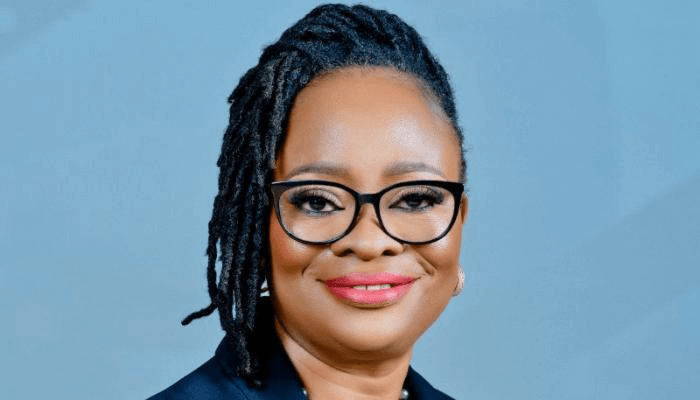
Ola Williams, managing director, Microsoft Nigeria and Ghana, notes that at the heart of the world’s mobile money revolution lies Sub-Saharan Africa, leading the market’s growth with over 1.1 billion registered accounts.
Read also: Mobile Money transactions hit $1.68trn in one year

“Without question, mobile services have become a formidable financial force in this region,” he submitted recently, pointing out that “underpinning this economic metamorphosis was the introduction of the Internet. As connectivity swept across Africa, so mobile money services flourished, extending financial lifelines to millions of unbanked individuals and catapulting nations like Nigeria to the forefront of the global mobile money arena.”
Williams estimated that in 2023, more than a third of newly registered and active 30-day accounts originated from West Africa with Nigeria as one of the primary drivers of this growth.
Throughout history, there have been general-purpose technologies (GPTs) that have sparked industrial revolutions and redefined entire economies, acting as catalysts for widespread innovation and growth. The Internet is one of those game-changing technologies, having transformed every sector it touched and setting the stage for unparalleled economic development.
Williams cited Nigeria as an example of where the financial services industry (FSI) has adeptly embraced GPTs like the Internet, with trailblazing enterprises like Flutterwave, Paga and OPay leveraging connectivity to revolutionise business models and unlock immense growth potential.
He posited that, widely recognised as the next great GPT, AI is expected to define the fourth industrial revolution, creating ‘flywheel’ effects that will propel organisations into new realms of innovation and opportunity at an unprecedented pace.

He quoted the World Trade Organisation as saying that artificial intelligence could contribute $136 billion in productivity gains, cost savings, and increased revenues to countries in SSA by 2030 in which case Nigeria is expected to benefit from 43 percent of this amount due to its proactive AI strategy.
“As the country, once again, finds itself at the brink of an opportunity to add billions to its GDP and export market-leading solutions – the question is what can we learn from the FSI sector’s incredible success with mobile internet to harness the next great wave of AI-driven innovation?” he queried.
Williams hopes that this success will address critical gaps in the market, noting that many of Nigeria’s most famous mobile money exports began with a vision to transform access to financial services, making it possible for previously unbanked individuals to open bank accounts swiftly, transact effortlessly, and secure loans with ease. As a result, the percentage of Nigerians with access to banking services surged by nearly 16 percent between 2011 and 2021.
Leading FSI companies also played a pivotal role in expanding access to credit, using innovative methods to offer loans with minimal documentation. By harnessing data on how customers engage with specific applications, they bridge the gap in a country where only two percent of adults currently have bank credit. This scenario paved the way for mobile money services to thrive, offering a convenient and accessible alternative for financial transactions.
In much the same way, the key to success with AI in Nigeria will lie in understanding and addressing the country’s unique challenges. It’s about recognising the complexities, prioritising areas where AI can make a real difference and working closely with stakeholders to create solutions that are not only technologically sound but also culturally relevant and beneficial to local communities.
Read also: Fintechs outpace telcos in mobile money race
Williams said that the success of mobile money can also driving regulatory support, explaining that the Central Bank of Nigeria (CBN) has been instrumental in nurturing the growth of mobile money services in the nation.
“By introducing a comprehensive regulatory framework, the CBN set the stage for mobile money operators to thrive. This framework is not just a set of guidelines; it includes crucial provisions for Know Your Customer (KYC) and Customer Due Diligence (CDD) requirements, which ensure operators properly identify their customers and assess risks before offering their services. It’s a robust system that has significantly contributed to the seamless operation and widespread acceptance of mobile money in Nigeria,” he stated.
He added that to harness the full potential of AI, Nigeria will need sound regulatory support to ensure strong reception and usage of the technology. This boils down to two key aspects: usefulness and trust. While technology must genuinely solve real-world problems and enhance people’s lives, it also needs to be trustworthy, backed by safeguards that protect societal and ethical values.
According to him, building and deepening trust should be at the forefront of how governments develop AI regulations and industry practices, disclosing that companies like Microsoft that is involved in the development and deployment of AI, also have a significant responsibility to continuously invest in robust AI governance practices, ensuring the technology is used safely, securely, and in a manner that the public deems trustworthy.