|
Getting your Trinity Audio player ready...
|
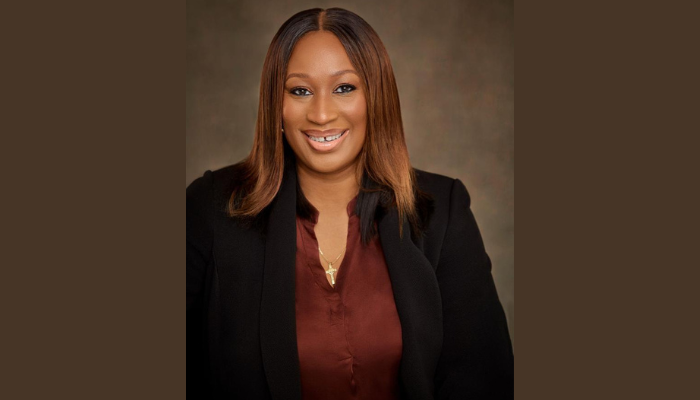
Adesuwa Ladoja, the managing director of the Lagos Free Zone (LFZ) says the Lekki Deep Seaport is its symbol of patience, partnership, and persistence, after taking over two decades to develop.
Speaking at the BusinessDay CEO Forum in Lagos, Ladoja described the project, led by Tolaram, as “a journey that has come to a very good ending.”
“The project got presidential committee approval in October 2002, the same year I had my twin daughters.” she said.
Ladoja calls the port here third child, noting that the federal government, Lagos State, and the Nigerian Ports Authority (NPA) were all part of the development.

The China Harbour Engineering Company, initially brought on as contractors, later became equity partners in the port.
The project was one of the very first to test Nigeria’s public-private partnership model at multiple levels, with both federal and state government working alongside private foreign investors.
“We had to ensure it was a win-win for everyone,” she said. “This wasn’t going to be a situation where only foreigners benefited. Nigeria had to benefit as well.”
But it didn’t come easy. Ladoja said that one of the biggest challenges to completing the $1.5 billion project was navigating changes in government.
Read also: Why we moved from just selling Indomie to building $1.5bn deep-sea port – MD Tolaram

“Because of the length of time, we had a lot of changes, in parties, DGs, and MDs. We had to restart at the end of every four years to keep up,” she said.
The “sacrifice, pain, hardwork” Ladoja described would pay off it would seem as affirmed by first-hand witnesses.
Frank Aigbogun, the publisher of BusinessDay shared his own experience at the port, comparing it to the congested Apapa port.
“We were in a room when a vessel arrived. In 24 hours, the raw materials were already in a factory in the Lagos Free Zone,” he said.
“When were in apapa and importing news prints it would take 2 weeks to see it.”
For the publisher, that was “a thrilling experience” that planted some hope in Nigeria’s trade future.
In 2024, a year after operations, the Lekki Deep seaport had attracted foreign pockets including including Cosco, ZIM and ONE and welcomed the largest container vessel to berth in Nigeria.
Ladoja said Lekki Port’s success shows that large-scale infrastructure in Nigeria can work, with proper structure and collaboration.
“If your project is sustainable, anything that comes your way is a mere setback,” she said.
“We owe it to future generations to put that in place.”