|
Getting your Trinity Audio player ready...
|
Nigeria has recorded 166 deaths from Lassa fever so far in 2025, with the case fatality rate rising above levels reported in 2024, according to the Nigeria Centre for Disease Control and Prevention (NCDC) on Thursday.
In its situation report covering epidemiological week 37, amd published on Thursday, the NCDC said the overall fatality rate has reached 18.5 percent, compared with 16.9 percent during the same period last year.
The agency noted that the mortality trend underscores the persistent public health risk posed by the viral haemorrhagic fever, which is endemic in parts of the country.
Eleven new confirmed cases were reported in week 37, down from 13 in the previous week. The latest infections were identified in Ondo, Bauchi, Kogi and Anambra states.

Read also: ECOWAS seeks stronger regional action against Lassa fever
Cumulatively in 2025, 21 states across 106 local government areas have reported at least one confirmed case. The NCDC said that 90 per cent of all cases this year have come from five states: Ondo (33 percent), Bauchi (23 percent), Edo (18 per cent), Taraba (13 percent) and Ebonyi (3 percent). The remaining 10 percent were spread across 16 other states.
Data also show that younger adults remain the most vulnerable, with the predominant age group affected being 21 to 30 years. The median age of patients is 30 years, and cases range from one year to 96 years old. The male-to-female ratio among confirmed cases is 1 to 0.8, suggesting only a slight predominance of men.
The NCDC said the total number of both suspected and confirmed cases is lower than what was reported during the same period in 2024, indicating a marginal decline in transmission. No new healthcare worker infections were recorded in week 37.
The agency added that the National Lassa Fever multi-partner, multi-sectoral Technical Working Group continues to coordinate surveillance, treatment and response activities nationwide.

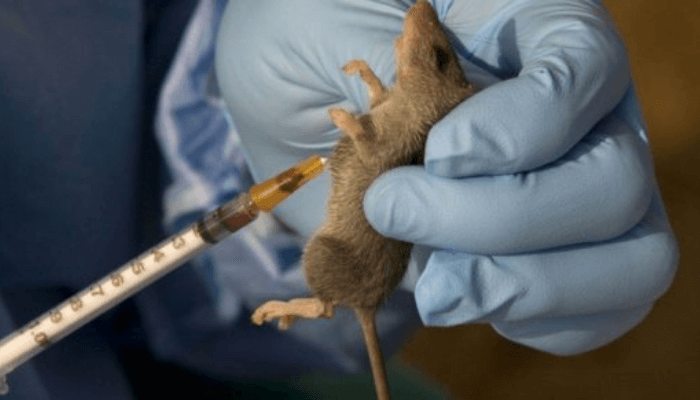
Lassa fever, which is transmitted through contact with food or household items contaminated by rodent urine or faeces, remains one of Nigeria’s most persistent infectious disease threats.