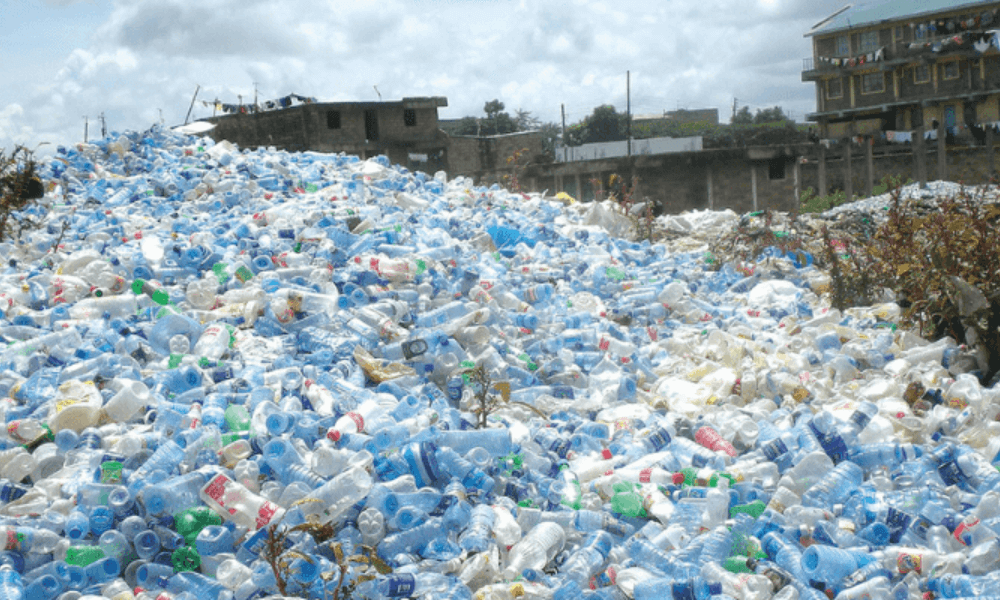
Lagos, a city teeming with over 20 million people, is drowning in plastic. From the bustling markets of Balogun to the clogged canals of Surulere, single-use plastics are a constant, unwelcome feature of the landscape. They block drains, worsen floods, and choke marine life. In response to this escalating crisis, the Lagos State Government has declared war, rolling out a phased ban on single-use plastics.
The policy is a bold and necessary step towards a cleaner environment. However, as the ban begins to take effect, a new reality is emerging on the streets and in the supermarkets, turning environmental policy into corporate profiting. While the government aims to curb pollution, many residents and small business owners are feeling the pinch. The question on everyone’s mind is: Is this ban truly solving the problem, or is it creating a new one, turning a public good into a private profit machine?
The Lagos State government’s plan is comprehensive. It started with a ban on Styrofoam food containers in January 2024, a move that sent a clear signal of its intentions. This was the first step towards a full-scale enforcement against a wider range of single-use plastics, which officially began on July 1, 2025.
What exactly is banned?

· Styrofoam food packs: Due to their harmful environmental impact.
· Plastic straws, disposable cups, and cutlery: To reduce plastic waste and promote sustainability.
· Lightweight nylon bags: Specifically, those less than 40 microns thick, because they are not easily reusable and are non-biodegradable.
The government’s reasoning is clear: these items are the biggest culprits in the city’s pollution problem. They are used for a few minutes but persist in the environment for hundreds of years. The government has warned that any business found selling or distributing these banned items will be sealed, and the owners will be prosecuted. The goal is to force a shift in behaviour, pushing both consumers and businesses towards more sustainable alternatives.
While the policy is clear on paper, its execution on the ground is far more complicated. In many parts of Lagos, it is still business as usual. Local markets and street vendors, who rely heavily on cheap nylon bags to package everything from peppers to fish, continue to use them. Many are either unaware of the full extent of the ban or have no affordable alternatives.

For a trader in the Ile-Epo Market, the ban presents a serious challenge. “What will I use to wrap tomatoes or meat?” asks one seller. “They ban nylon, but they don’t give us another option that we can afford.” This sentiment is echoed across the city, where the ban is seen by many small-scale entrepreneurs as a threat to their livelihood.
The most visible change has been in the city’s supermarkets. Chains like Just Rite, Ebeano, and Jendol have stopped providing free plastic bags at the checkout counter. Instead, customers are now asked to pay for reusable bags or thicker plastic bags, with prices often starting from ₦100 to ₦150 per bag.
This has been met with mixed reactions. Some shoppers see it as a positive step that encourages them to bring their own bags. “I think the scheme is to encourage people to bring their bags. That way, disposal of nylons in the environment will be curbed,” one shopper noted. Others, however, see it as an unfair additional cost in an already difficult economic climate.
This is the heart of the debate. Is charging over ₦100 for a plastic bag a legitimate way to discourage its use, or is it simply an opportunity for large retailers to increase their profits?
The argument for a solution is that environmental advocates argue that putting a price on plastic bags is a proven method to reduce their use. It forces consumers to think twice before taking a new bag and encourages the habit of carrying reusable ones. They believe that any inconvenience is a small price to pay for the long-term environmental benefits of cleaner drainage systems, reduced flooding, and a healthier ecosystem. While the argument for a cash cow is that critics are sceptical and point out that these supermarkets used to absorb the cost of bags as part of their service. Now, they are selling them at a significant markup. There are no regulations forcing these companies to invest the money they make from selling bags into environmental projects. For many Lagosians, it feels less like an environmental policy and more like another way for big businesses to make money from the average citizen.
Adedamola Usman is a strategic communication expert.