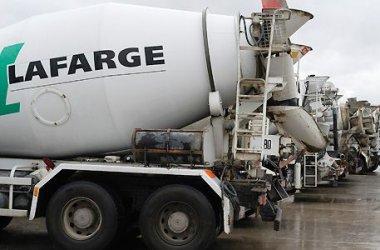
Lafarge has proved that it is possible to be a manufacturer and at the same time environmentally responsible.
In 2001, Lafarge, now LafargeHolcim, world leader in building materials, including cement, aggregates and concrete, set itself a target of reducing its CO2 emission per ton of cement by 20 percent by 2010. This target was achieved on schedule. The company then decided to set another target- a reduction to 33 percent by 2020, which analysts say it could realise.
In Nigeria, Lafarge Africa uses renewable energy to power its plants.
Renewable energy drives down carbon emissions and reduces global warming.

“Today in Nigeria, approximately seven percent of our fuel is being produced by biomass and waste products. This, we want to double by 2016, and our objective is that by 2020 we are going to be replacing over 30 percent of our fossil fuels,” Peter Hoddinott, group managing director of Lafarge Africa plc, told BusinessDay in a recent interview.
“There is only one cement plant in Nigeria that is using mineral resources for limestone, for Pozzolana, for gypsum, and for coal. There is only one and that is Ashaka. That model is unique. The use of Pozzolana, which is a natural product, allows you to reduce the Co2 emission that is produced per ton of cement. If you look at Nigeria, because of Pozzolana, we have reduced the Co2 emission by 40 percent against 1990. This is really beneficial for the environment,” Hoddinott further said.
At the 20 Lafarge offices across 15 countries, approximately 85 percent of the group’s total office floor space have implemented energy-saving measures that enabled a 12 percent reduction in energy consumption. The building materials maker is also leading initiatives like the World Business Council for Sustainable Development in projects, with the ambition to cut energy consumption in the building sector by 80 percent by 2050.
LafargeHolcim has various products which reduce the carbon footprints of houses by lowering their use of energy-consuming devices. One such is Thermedia, a concrete solution which is designed to both retain and distribute heat in cold climates and keep interiors cool in warm climates.
There is also the DuraBric, a solution that replaces traditional brick with an innovation made up of a combination of five to eight percent cement and soil.

Durabric is available in Malawi, Rwanda, Tanzania, Cameroon and Zambia. Individual homebuilders and masons are trained on how to use the machines to make Durabrics.
A recent statement by the management of global building solutions leader states: “In LafargeHolcim we do not regard concrete simply as concrete. We have 180 years of experience behind us which guides our operations. We provide the best concrete solution for every construction need. So we really don’t sell concrete; we provide solutions with concrete. The benefit to our buyers and end users in all our market is in the high quality, the safety and durability of their projects. We save them time and money by studying their projects, what it needs and providing solutions that fit 100 percent.”
In India, LafargeHolcim has enabled slum dwellers benefit from the lower cost and high quality of its Readymix solution by developing a 15-litre slow-setting concrete bag, which is delivered by rickshaws where Readymix trucks cannot reach. India now has three Readymix plants dedicated to supplying 500 of these bags per day to build proper homes in slums at lower costs.
In Ogun State Nigeria, Lafarge Africa Plc is forging ahead with its determination to minimise its carbon footprint by embarking on vast agro forestry projects, which will enable it to replace the use of fossil fuels in its factories with biomass residues. This has spillover benefits to the people in the state.
ODINAKA ANUDU