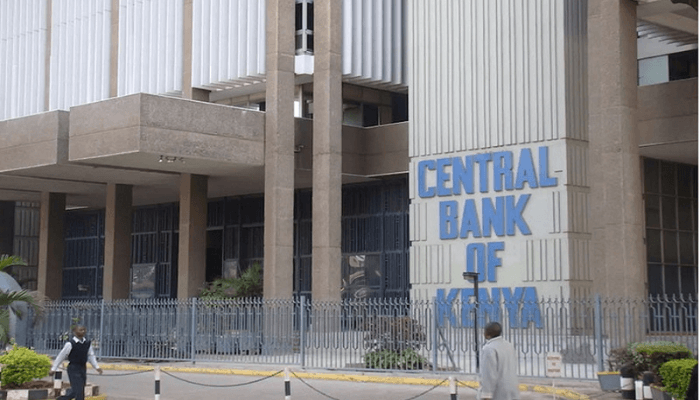
Kenya’s central bank slashed the benchmark interest rate by more than expected amid heightened geopolitical risks from US President Donald Trump’s reciprocal tariffs.
The monetary policy committee lowered the key rate to 10% from 10.75%, Governor Kamau Thugge said in an emailed statement Tuesday. The median estimate of five economists in a Bloomberg survey was 10.25%.
“Overall inflation is expected to remain below the midpoint of the target range in the near term, supported by a low core inflation, lower food inflation, stable energy prices and continued exchange rate stability,” Thugge said.
Annual inflation has been below the 5% midpoint of the central bank’s target range since June. It quickened to 3.6% in March from 3.5% a month earlier, and core price growth accelerated to 2.2%, compared with 1.9% in February.

The relatively stable shilling against the dollar and weak demand has kept inflation quiescent. The local currency has remained locked in a narrow range around 129 per dollar this year, after being the world’s best performer in 2024.
The rate cut also aims to “stimulate lending by banks to the private sector and support economic activity, while ensuring exchange rate stability,” Thugge said.
Private sector credit growth has remained subdued although average lending rates have declined gradually since December, he said.
The MPC also narrowed the width of the corridor around the policy rate to 75 basis points from 150 basis points to enhance the stability of the interbank rate and adjusted the discount window.
Read also: Trump’s latest tariffs take effect, upsetting global markets

Kenya is the first central bank in Africa to cut its key interest rate since Trump announced sweeping tariffs on April 2 that have rattled markets, raised concerns of a recession in the US and increased the cost of debt.
The East African nation needs to raise $26 billion in the next decade to pay maturing foreign debts and another $1.5 billion annually to meet external interest payments.
Failure to meet targets set for it by the International Monetary Fund to curb its debt pile led Kenya to terminate an assessment by the lender in March under a four-year program causing it to forfeit $850 million in budget funding.
The abandonment of the program risks delaying access to other external financing such as from the United Arab Emirates, according to Fitch Ratings and S&P Global Ratings that could put pressure on foreign-exchange reserves and the shilling.
Gross reserves currently stand at $9.9 billion, thanks to inflows from a $1.5 billion March eurobond issuance to re-arrange debts. That’s equivalent to 4.4 months of import cover, above the four-month threshold.