Israel has cancelled its remaining tariffs on imports from the United States, officials said on Tuesday, a day before the Trump administration hits global trading partners with reciprocal levies.
The move still needs a final signature from Economy Minister Nir Barkat and parliament’s finance committee – both expected – but once done, “tariffs on all imports from the United States will be cancelled,” the prime minister’s office said.
The United States is Israel’s largest trading partner and closest ally, with bilateral trade worth $34 billion in 2024.
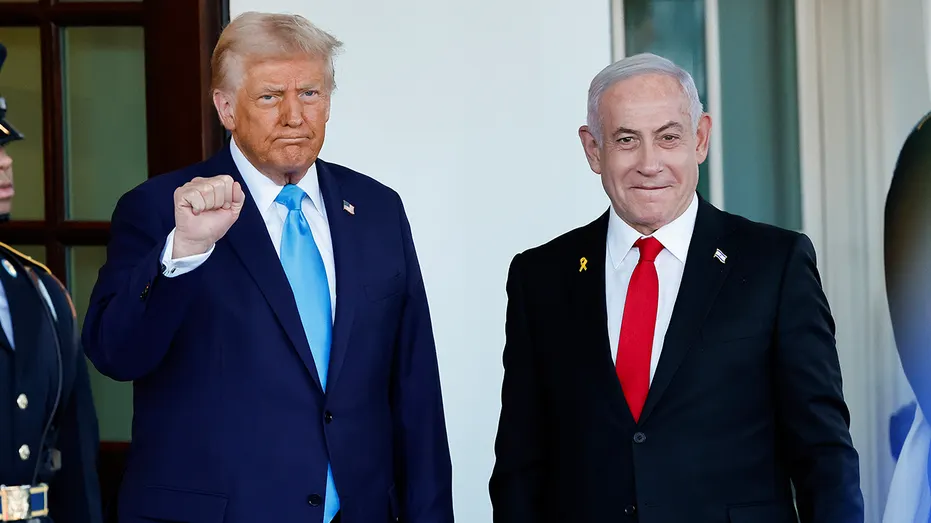
“The removal of tariffs on American goods is another step… to open the market to competition, to diversify the economy, and to lower the cost of living,” Prime Minister Benjamin Netanyahu said in a joint statement with Barkat and Finance Minister Bezalel Smotrich.
“In addition to the economic benefits for the economy and the citizens of Israel, the current move will enable us to further strengthen the alliance and ties between Israel and the United States.”
Read Also: Israel finance minister resigns from post
Barkat said abolishing the tariffs strengthens bilateral trade relations “that will promote further economic cooperation in the future…”
Israel and the U.S. signed a free trade agreement 40 years ago and about 98% of goods from the United States are already tax-free. The finance ministry noted that tariff collection from U.S. imports – mainly farm products – amounts to about 42 million shekels ($11.3 million) a year.
Smotrich had earlier signed an order to end tariffs on U.S. imports, and wrote to Barkat and Agriculture Minister Avi Dichter asking them to support the move.
Smotrich urged the ministers to quickly coordinate with relevant U.S. officials to implement the tariff relief to avoid potential consequences for Israeli imports, since Trump’s new tariffs will affect both “friendly and enemy countries”.
“Completely eliminating tariffs on imports from the U.S. is a significant step in protecting the Israeli economy during a sensitive period and strengthening economic ties with our most important ally – the United States,” Smotrich said.
The Agriculture Ministry said its policy was to protect local farmers and that it might compensate Israeli farmers if Trump’s tariff policies hurt the sector.
Smotrich on Monday briefly resigned as finance minister in a procedure to become a member of parliament, as well as in protest at nationalist-religious Jewish Power party chief Itamar Ben Gvir’s request for more ministerial positions upon his return to the government. Lawmakers on Wednesday are expected to vote to formally reinstate Smotrich to the finance position.