|
Getting your Trinity Audio player ready...
|
In today’s fast-moving media economy, effective communication is no longer confined to the newsroom, it has become a strategic business function that shapes brand identity, consumer trust, and policy engagement.
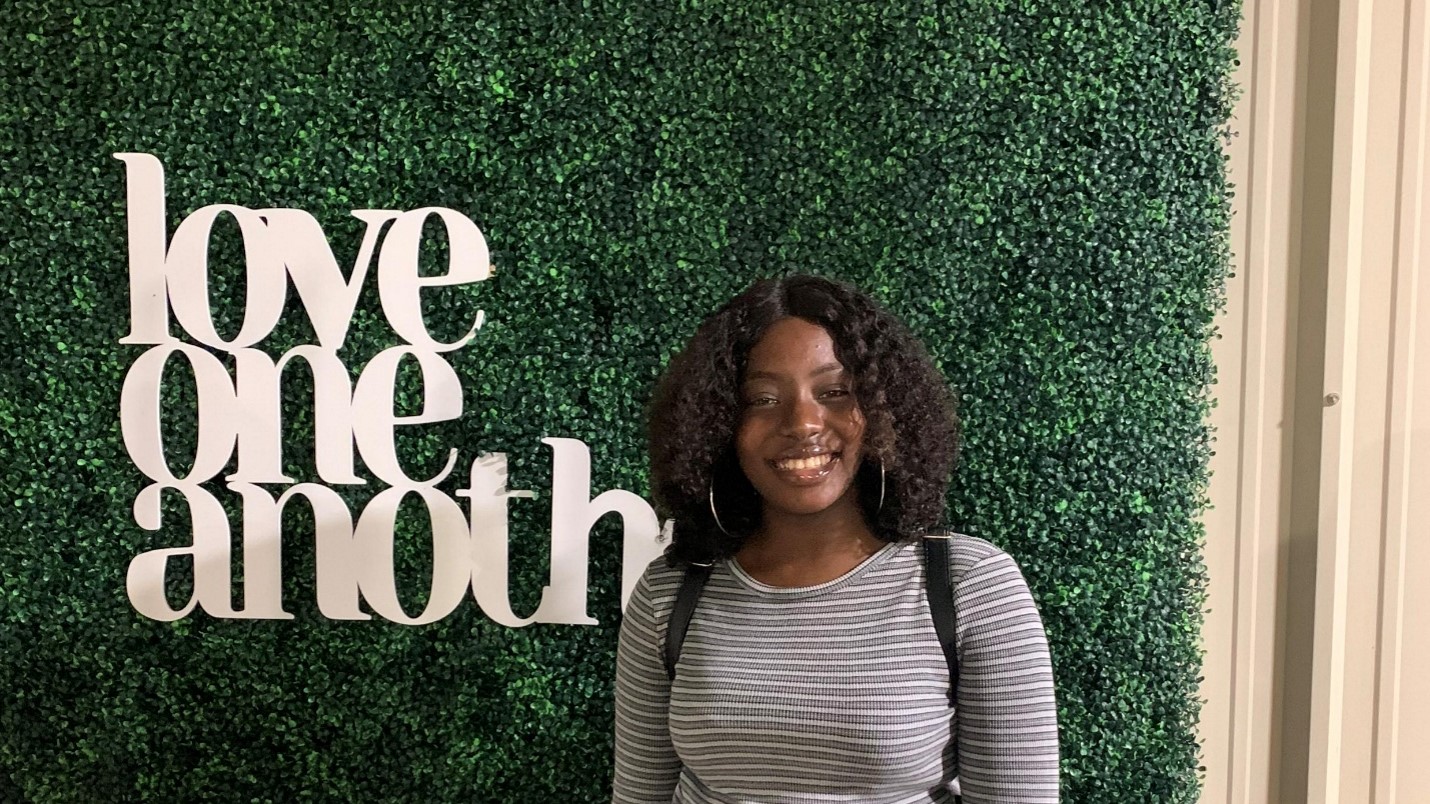
Stephanie Adeniji, a leading voice in broadcast journalism and digital communication management, speaks to BusinessDay about the evolving intersection between storytelling and strategy.
Stephanie, what inspired your journey into broadcast journalism and strategic media communication?
My journey started with curiosity. I wanted to understand how information moves society, how one headline can change perception or spark a national conversation. Studying Communication-Broadcasting at Lamar University gave me the creative and technical tools to tell stories with integrity. Over time, I realized journalism is also a form of business strategy every story builds credibility, shapes reputation, and influences decision-making.
You’ve worked across production, anchoring, and communication strategy. How do these roles connect?
They’re parts of one ecosystem. As a producer and anchor at Lamar University Television (LUTV), I learned how to craft narratives that inform and engage. As a strategic communicator, I apply that same discipline to help organizations understand their audiences and communicate value. The artistry of storytelling and the logic of strategy go hand-in-hand.

The media landscape is increasingly competitive. How do you see the role of communication evolving in business leadership?
Communication has become a leadership tool, not just a reporting function. Whether in corporate, academic, or public sectors, effective leaders are those who communicate with empathy and clarity. Data and creativity now coexist, leaders must know how to interpret analytics while keeping their message authentic.
You participated in The Fund for American Studies program in Washington, D.C. How did that experience shape your professional direction?
It was transformative. I interacted with journalists, policymakers, and PR executives who demonstrated that communication drives governance and diplomacy as much as it drives commerce. The experience reinforced my belief that strategic communication is a bridge between policy, people, and progress.
What projects are you most proud of so far?
One highlight was developing a media plan for Lamar University’s basketball program, where I combined research, branding, and content production to strengthen community engagement. It reminded me that effective communication isn’t just about visibility, it’s about building trust.
Finally, what’s next for you in the business of media and communication?
My next step is to continue advancing media strategy and digital communication management at a global scale. I’m passionate about building frameworks that help institutions communicate ethically and inclusively while adapting to AI-driven trends. My vision is to help organizations tell stories that create measurable social and economic value.
As the global media industry redefines its commercial and civic responsibilities, professionals like Stephanie Adeniji are proving that communication is both an art and a business discipline. Her approach merging broadcast expertise with strategic insight exemplifies how modern media can inform, influence, and inspire growth across industries.