As huge out-of-pocket payment for accessing healthcare continue to dominate Nigeria’s healthcare spending, innovation has been identified as key factor that will aid in deepening health insurance penetration in the country.
While current health insurance coverage stands at less than 7 percent (both private and public sectors) and lack of awareness for health insurance confronting Nigeria’s health insurance business, this development has left majority of Nigeria’s 160 million people without health insurance cover.
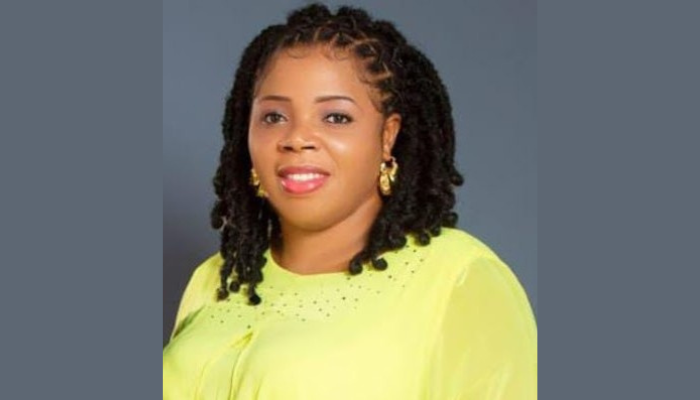
Speaking at a recent BusinessDay forum, Adesimbo Ukiri, managing director/CEO, Avon Healthcare Limited, disclosed that that if Health Maintenance Organisation (HMOs) could focus on innovation, especially in the area of product development, the Nigerian market would find health insurance much more attractive.
With innovation set to play a pivotal role in the evolution of Health Insurance and drive the attainment of universal health coverage in Nigeria, Ukiri noted that innovation will open up new opportunities for the health insurance industry.

Ukiri pointed out that with a population of about 170 million people, the ability to innovate and come up with different products to meet the needs and affordability requirements of the wide and diverse market segments that exist in Nigeria is crucial.
“At the moment, a comparison of health plans offered by most HMOs will reveal a similar set of four plans. They may be called different names but the four plans are essentially the same at their core. There needs to be a concerted effort industry wide, from all HMOs, to move away from this trend if we are to progress beyond the current 4 percent health insurance market penetration statistics that is often quoted for the country.
“Again, we find that there is room for innovation in the use of marketing channels and the way HMO products are being offered to the market. There are a limited number of people who can be reached when industry players rely heavily on their sales staff. This has meant there is a large proportion of the informal private sector segment who would like to avail themselves of health insurance services but have been unable to do so,” Ukiri explained.
Lekan Ewenla, managing director/CEO, Ultimate Health HMO, noted that lack of innovative health insurance products to cover Nigerians, particularly in the informal sector and vulnerable groups such as the aged, has further affected the delivery of health insurance to users of the scheme.
According to Ewenla: “Innovation is key in driving health insurance business and not a one-product-fit for enrolees. A product designed for security personnel cannot be the same for market sellers. Each health insurance product should take into consideration their disease pattern and healthcare need. Remember that the population is dynamic with the informal sector, yet to be fully harnessed by industry players.”

The need to drive innovation is coming as stakeholders have called for state governments to embrace health insurance for their citizenry. Currently, 30 out of the 36 states of the federation have embraced the National Health Insurance Scheme, a development, experts say could deny Nigerians access to adequate healthcare with its attendant lower productivity, BusinessDay investigations have shown.
The states include Kwara, Lagos, Ogun, Ekiti, Niger, and Ebonyi.
Besides, the trend if not checked through appropriate legislation, they further argue, could jeopardise Nigeria’s quest to meet the Universal Health Coverage target for Nigerians by 2015.
Alexander Chiejina