Nigeria’s inflation rate rose for the third consecutive month to 8.4 percent in February, from 8.2 percent the previous month, partly driven by increases in prices of imported food items, the Nigeria Bureau of Statistics (NBS) said on Tuesday.
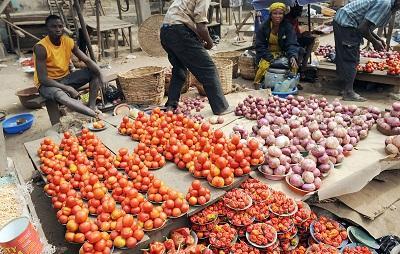
Food prices, which account for the bulk of the inflation basket, accelerated to 9.4 percent from 9.2 percent in January.
The Central Bank of Nigeria (CBN) devalued the naira in November and scrapped its bi-weekly forex auctions, with many analysts fearing the downward pressure on currency could stoke inflationary pressures.
“The imported food sub-index increased by 8.8 percent (year-on-year), the highest increase recorded since February 2013,” the National Bureau of Statistics (NBS) said.

More than half of Nigeria’s population of 160 million live in villages and imports account for only 13 percent of total domestic consumption, the statistics office has said, so the effect of imported inflation has been limited following the devaluation.
READ ALSO: Covid-19: Lagos directs all civil servants to resume from Monday
The naira suffered its biggest monthly decline in more than five years last month, amid concern over political uncertainty after the presidential election was delayed and the central bank’s ability to manage the currency as oil prices fell.
The fall in the currency prompted the NBS to increase its year-end estimates for inflation in Africa’s biggest economy, to around 9 percent, the upper end of the central bank’s target, from its January forecast of 8.78 for 2015.