|
Getting your Trinity Audio player ready...
|
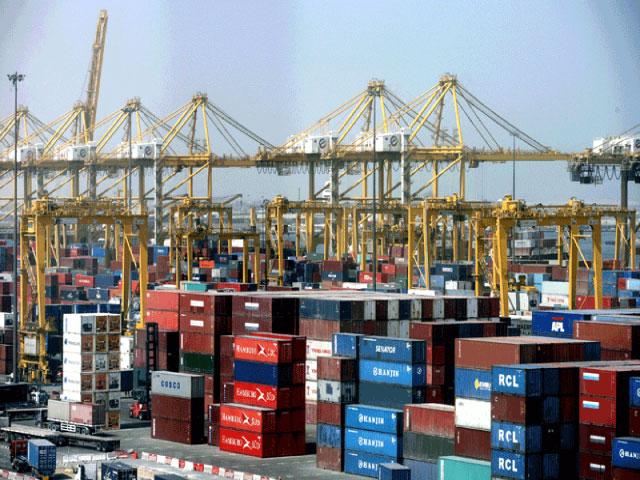
Fifty-nine years after Nigeria gained independence from the British colonial masters, the nation’s seaports still depend 100 percent on roads for the evacuation of export and import consignments to and fro the ports.
By implication, over 95 percent of liquid and dry cargoes imported into or exported out of the country are moved by road using trucks and trailers with little and some cases, no utilisation of other modes of transportation that include railway and waterways.
BusinessDay understands that due to poor evacuation of cargo from the port especially as a result of over reliance on road transportation, Nigerian ports have remained inefficient.
Consequently, shippers presently pay dearly to not only transport their cargo but for demurrage due to delays in taking delivery of their cargoes. The delay was due to heavy congestion on roads leading to seaports in the country including Apapa, Tin-Can Island, Onne, Warri and Calabar Ports.

Surprisingly, it is only Apapa Port that has functional rail line, and also manages to move a little portion (about 20 containers weekly) of imports out of Apapa Port.
Hadiza Bala Usman, managing director of the Nigerian Ports Authority (NPA), said Nigeria needed to consider using the rail system to move containers.
According to her, the Ministry of Transportation needed to provide clear timeline and percentages of cargoes that should be moved through the different nooses of transportation including inland waters, road and rail line.
“To reduce the number of trucks and trailers on Nigerian roads, we need to determine the percentages of cargoes from our ports to be apportioned to a particular transportation model because all cargoes cannot be moved by road,” she said.
She further pointed out the need to determine that 30 percent of Nigerian cargoes must go through the rail, and commit about three to four years’ timeline to deploying the necessary resources towards building the needed infrastructure.

It is no doubt that one of the determinant factors for the relevance of ports is the speed and seamlessness, with which owners of cargo are able to move their consignments out of the ports.
Meanwhile, Rotimi Amaechi, Minister of Transportation said at this year’s World Maritime Day that government planned to link the railway system to the seaports, as a way of integrating the maritime sector into the rail master structure.
This, he said, would make movement of goods to and from the ports more effective.
“We have put in place a 25-year modernisation programme for the rail system. With the master plan, we have taken rail from where the past government stopped into the seaports,” he said.
The minister further said that the current Lagos-Kano rail line began from Ebute Metta but the present administration started another line from Ebute Metta to Apapa seaport.
“While the rail line from Lagos to Calabar will link the Calabar, Port Harcourt, and Onne seaports,” he said.
For several years, shippers and other port industry stakeholders have received promises of connecting the ports by rail for effective cargo evacuation from past governments without actualisation.
However, all hope is not lost as shippers believed that ensuring railway operations is the singular way to decongest access roads to ports in Lagos and Onne.
“So long as we have all the cargo plying the roads, we will continue to have congestion. We need to understand that prioritising hinterland connection is paramount for any port to be operational and efficient,” said Usman.
In addition to building rail network, Nigeria also need to utilise inland waters for cargo evacuation using barges, by ensuring that the Nigerian Inland Waterways Authority (NIWA) prioritises its operational capacity in dredging some of the river ports to ensure importers have alternative routes to move their cargoes.