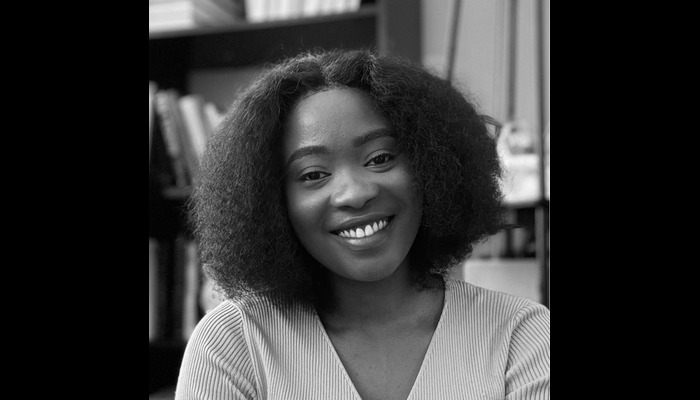
Amina Oyagbola, independent director and founder of WISCAR (Women in Successful Businesses) noted that workplace mentorship is a strategic tool for career-building and its incorporation into workplace culture relies on human resource (HR) leaders.
She emphasised this to HR professionals during the commemoration of International HR Day, themed ‘Building Careers: The Transformative Power of Mentorship’ hosted by the Chartered Institute of Personnel Management (CIPM), as she reminded them of the evolving complexity and global reach of the profession.
In her address, she emphasised their vital role of as custodians of culture, talent, performance, and organisational growth. She highlighted the strategic influence the professional wields through policy-making, structure design, and inclusion efforts.

The event had in attendance the Mallam Ahmed Ladan Gobir, president and chairman governing council CIPM, Chidinma Justina Obiejesi, vice president CIPM, Oluwatoyin Naiwo, registrar, CIPM and members of the institute.
Drawing from her extensive 36-year career across legal consulting, strategic HR, banking, energy, and telecommunications, Oyagbola asserted that mentorship builds capacity, confidence, and character for leadership.
“Every successful professional can point to someone who believed in them, guided them, and shaped their journey to success. That is the power of mentorship.”
“The future of mentorship and its integration into workplace culture depends on us, what we do at our desks every day, in our spheres of influence. The structure of mentorship should not be optional or ad hoc.”
She underscored that “you cannot be what you cannot see”, advocating for visible role models.

Mentoring women professionals
Oyagbola said that mentorship that is not solely about professional guidance but also about providing emotional and psychological support that benefits mentees, mentors, and organisations alike.
She described it as a transformative force, capable of turning uncertainty into clarity, fear into courage, and latent potential into performance and productivity.
Oyagbola asserted that, “For women in particular, mentorship can be a game changer, offering a pathway to navigate cultural and systemic barriers, develop resilience, and grow into confident, capable leaders.”
“You cannot be what you cannot see,” she stated, underscoring the importance of role modelling. We believe in visibility because it matters”, she said.
HR’s role and influence
HR professionals must therefore approach this with the utmost seriousness. “We are custodians of data, of talent, of culture, of performance and growth. That is powerful,” she stated. “The real question is: how are we using that power?”, Oyagbola said.
The pivotal role of HR in shaping organisational and societal frameworks was highlighted.
“We craft policy, we design structures, the ones that can foster inclusion or, conversely, exclusion. We nurture systems that enable individuals to thrive, not just within the organisation but in the broader society as well,” Oyagbola remarked.