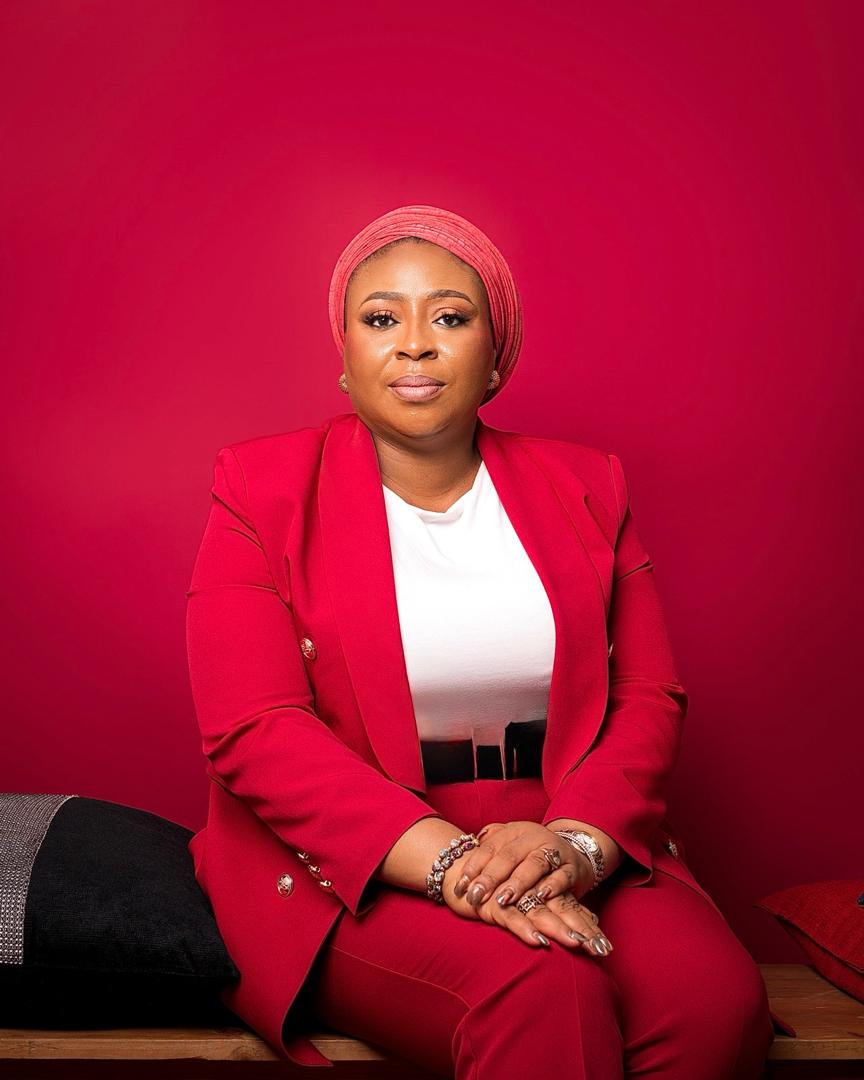
Sope Martins, founder of The Kid Lit Foundation, for years was a familiar voice on the airwaves, captivating audiences with her smooth delivery and sharp commentary.
But today, instead of microphones, her tools are whiteboards and literacy development plans. In a career pivot, the broadcaster stepped away from the studio into the classroom, not to report the news, but to shape the minds of future change-makers.
Obviously, for someone to leave the media spotlight for a more personal world of education, Sope’s journey is one of passion, purpose, and reinvention.
“Through The Kid Lit Foundation, we design and run programmes that align with the United Nations’ SDG four. I write children’s books, coach aspiring writers, and speak on issues around literacy and creativity.

“The foundation builds storytelling platforms, organises festivals, runs mentorship programmes, and hosts workshops that empower young people to read and create stories of their own,” she explained.
The author said she is committed to nurturing a culture of storytelling that reflects Africa and inspires children to dream boldly.
“My career began in broadcasting, where I worked across both radio and television. Today, I’m centred on creating stories in which African children can see themselves reflected, while also building platforms where young storytellers can grow, find their voices, and share their stories with the world,” Sope said..
Reflecting on her inspiration, she said, “As a child, I loved reading, and through books, I found my voice, but quickly realised that very few books reflected children like me.
There were hardly any stories that carried African names, families, or everyday experiences. That realisation never left me.

“It was what pushed me to begin writing the kinds of stories I longed to see as a child, stories that make children feel seen, heard and valued. And more importantly, it inspired me to create opportunities for children to tell their own stories, so they grow up knowing that their voices matter.”
Sope emphasised that mentorship has been instrumental to the growth of the business, and stands The Kid Lit Foundation out among its equals.
“Our mentorship programmes have connected young storytellers with established authors around the world, and our partnerships with schools and libraries have helped us reach even more children.
“Each workshop we hold and each child we inspire feels like a step forward. We don’t just want children to read more; we want them to read stories that reflect their own lives and cultures,” she noted.
Beyond that, she said the foundation empowers students to become creators themselves.
“We don’t just stop at encouraging reading; we go further by building storytelling platforms where children and young adults can write, perform, and even publish their work,” she said.
To survive the accelerating inflation, she said the organisation adopted to be both lean and innovative. Hence, rather than trying to do everything alone, they rely on partnerships with schools, NGOs, governmental, international and creative organisations.
“This way, we share resources, ideas and still achieve meaningful impact. Being flexible and creative with our budgeting has been essential for survival in this economy,” she noted.
Though literacy challenges are real in Nigeria, she said the country is bursting with youthful energy and creative potential, and that within those challenges lie enormous opportunities.
“Parents and schools are gradually beginning to see that literacy isn’t just about passing exams, it’s about raising imaginative, confident, and capable children who can compete globally.
“The opportunities in this industry lie in bridging education with creativity, using digital platforms to expand access to books and stories, and building communities where children’s voices are nurtured and celebrated,” Sope said.
Sope highlighted some of the expansion plans of the foundation to include growing into a continental festival, establishing creative education programmes in underserved areas, and to put KLF Box Libraries in hospitals around the state and beyond, among others.
However, she emphasised that sustainable funding remains the foundation’s biggest challenge. And to overcome the challenges, she said that the firm has learned to lean on partnerships, and to amplify its works through social media, among others.