As Nigeria pushes for increased adoption of renewable energy, particularly solar power, concerns over the quality and durability of imported solar panels have become a major hurdle.
Many of these panels, sourced from China, India, and other Asian markets, often fail to meet Nigerian climatic and grid conditions, leading to inefficiencies and shortened lifespans. However, local manufacturing presents an opportunity to address these issues while also boosting the economy, creating jobs, and enhancing energy security.
Nigeria’s solar market has grown significantly, driven by persistent grid unreliability, rising diesel costs, and government incentives. According to the Rural Electrification Agency (REA), over 85 million Nigerians lack access to grid electricity, making decentralized solar solutions a key alternative. However, industry experts estimate that 40 to 50 percent of imported solar panels in the country are substandard, leading to inefficiencies and early failures.
A 2023 study by the Nigerian Energy Support Programme (NESP) found that many imported solar panels degrade faster than expected, with output losses of up to 20 percent within three years, compared to the international standard of less than 1 percent degradation per year. This rapid deterioration stems from poor manufacturing quality, inadequate tropicalisation (modification for high temperatures and humidity), and improper installations.

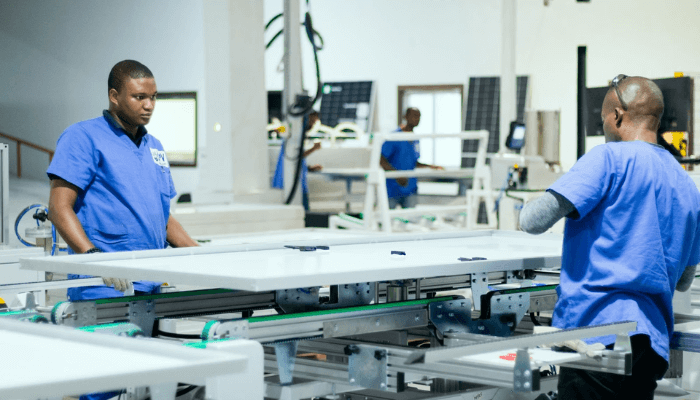
But domestic manufacturers like LPV Technologies are changing this narrative through its locally manufactured panels. It does this by sourcing premium raw materials from globally recognised suppliers to guarantee top tier quality and performance.
Read also: Firm charts solar power solutions to aid Nigeria’s energy deficit
This strategic approach not only reduces overall project costs but also minimizes supply chain disruptions. With faster turnaround times and reduced dependence on international suppliers, LPV Technologies will ensure consistent product availability, enabling project developers to meet tight deadlines. By producing locally, the company supports Nigeria’s vision for energy security and independence while maintaining high standards of quality and efficiency.
Efforts have been made by the Nigerian government to promote local content, particularly in the renewable energy sector. These policies encourage local manufacturing to reduce import dependency and stimulate economic growth. LPV Technologies is strategically aligned with these regulatory frameworks, ensuring compliance while delivering cost-effective, locally manufactured solar panels.
By supporting local content policies, LPV Technologies helps stakeholders meet regulatory requirements while enjoying the financial benefits of sourcing within Nigeria. It is playing a pivotal role in this energy transition by providing high-quality solar panels tailored to Nigeria’s unique environmental conditions.

Local solar panel manufacturers are changing the narrative

Recognising the accessibility and affordability challenges Nigerians face in procuring solar products, LPV Technologies is at the forefront of local manufacturing innovation, offering competitive pricing that significantly reduces capital expenditure (CAPEX) for solar project developers and end-users. By leveraging local expertise and resources, the firm is driving cost efficiency without compromising on quality, positioning itself as a leader in Nigeria’s renewable energy landscape.
An enabler of job creation, economic growth
While local manufacturing guarantees quality, it also allows for job creation and overall economic growth. LPV Technologies’ commitment to local manufacturing extends beyond cost efficiency—it is also a powerful driver of economic growth.
Nigeria’s unemployment rate currently stands at over 5 percent, underscoring the need for sustainable job creation. Establishing local manufacturing facilities like LPV Technologies will generate both skilled and unskilled job opportunities across various sectors, including manufacturing, quality control, logistics, and maintenance of solar systems.
This strategic investment in human capital not only addresses unemployment but also contributes to skill development within the renewable energy sector.
Countries like Egypt and Morocco have successfully reduced solar costs through domestic manufacturing, with Morocco’s NOOR Solar Program using locally produced panels to power its large-scale solar projects. Nigeria can adopt a similar strategy to drive affordability.
Enhanced project efficiency and delivery
One of the major challenges in Nigeria’s solar industry is the delay in project timelines due to the complexities of importing equipment. Lengthy shipping durations, customs delays, and unpredictable supply chain disruptions often impact project execution. LPV Technologies’ local manufacturing line mitigates these challenges by enabling just-in-time delivery.
This streamlined supply chain significantly reduces project completion times, ensuring faster deployment of solar solutions. By minimizing logistical complexities, LPV Technologies enhances operational efficiency, enabling developers to deliver projects on schedule and within budget.
LPV Technologies is transforming Nigeria’s solar industry through innovative local manufacturing, competitive pricing, and environmental sustainability. By offering Grade A, locally manufactured solar panels, the company not only reduces costs but also enhances energy security and supports national renewable energy targets.
As Nigeria accelerates its journey towards a greener future, LPV Technologies remains a key player, driving growth, innovation, and impact.
With the right policies, investment, and supply chain development, Nigeria can transition from an importer of low-quality panels to a regional hub for high-quality solar technology.