Lagosians went to the polls on Saturday, July 12 to elect new local government chairmen and councillors across the state. Despite having over seven million registered voters, voter turnout was noticeably low.
The All Progressives Congress (APC) secured a sweeping victory, winning all 20 Local Government Areas (LGAs), 57 chairmanship seats, 37 Local Council Development Areas (LCDAs), and 375 out of the 376 councillorship positions.
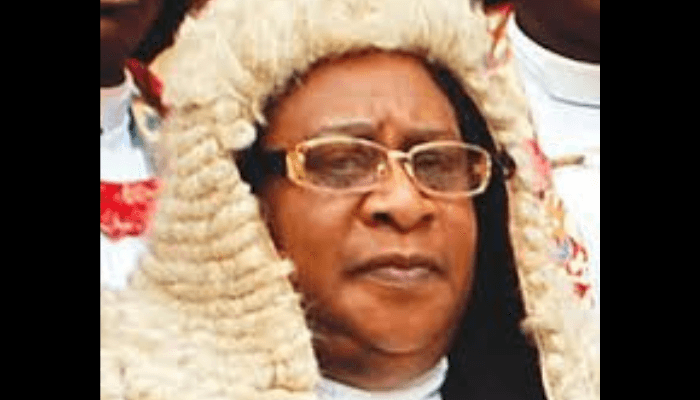
According to the Lagos State Independent Electoral Commission (LASIEC), voting took place in 13,325 polling units spread across 376 electoral wards. The Chairperson of LASIEC, Justice Ayotunde Phillips (rtd.), declared the election free and fair while announcing the results at the commission’s headquarters in Yaba the following day. She congratulated the winners and reminded them of the responsibilities their offices carry.
However, despite the relatively peaceful conduct of the election, several issues raised questions about the effectiveness and credibility of the process. Here are key areas where LASIEC must improve:

Voter education
Many eligible voters failed to participate in the election due to a lack of awareness and interest. LASIEC must step up efforts to educate the public about the importance of local elections. Comprehensive civic education campaigns should highlight the roles of local governments and how these positions impact daily life.
Transparent recruitment and training of electoral officers
The integrity of the election process largely depends on the quality of personnel involved. LASIEC should ensure all ad-hoc and permanent staff are recruited transparently, based on merit and political neutrality. Proper training and certification must be given to all electoral officers to guarantee professionalism and efficiency on election day.
Independent election monitoring

To enhance credibility, more than one independent observer group should be deployed to each ward. These groups can monitor multiple wards interchangeably and cross-check reports to ensure objectivity and accuracy in their assessments.
Timely commencement of voting
One of the common complaints during the election was the late start of voting in several polling units. Although voting was scheduled to begin at 8:00 a.m., many polling stations did not commence until after 9:00 a.m. Such delays could disenfranchise voters, especially when movement restrictions end by 3:00 p.m. LASIEC must improve logistics and ensure timely deployment of materials and personnel.
Integration of technology
Adopting electronic voting systems or online voter registration can significantly reduce manual errors and improve efficiency. Several voters complained that their names were missing from the register, denying them the opportunity to vote. Embracing technology would address such issues and build voter confidence.
Stakeholder engagement
LASIEC should engage in continuous dialogue with political parties, civil society groups, youth organizations, and traditional institutions. This will foster inclusiveness, promote transparency, and help prevent post-election conflicts.
Ballot paper errors and legal threats
A major controversy arose when the Social Democratic Party (SDP) alleged that its logo was omitted from the ballot papers. The party’s Lagos State Chairman, Mr. Femi Olaniyi, accused LASIEC of deliberately excluding them and vowed to challenge the outcome in court. Such oversights must be avoided in future elections to protect democratic fairness and prevent legal disputes.
While LASIEC has made efforts to conduct peaceful local elections, there is a pressing need to address these recurring challenges. Strengthening transparency, logistics, voter education, and technology adoption will go a long way in improving trust and participation in future elections across Lagos State.