|
Getting your Trinity Audio player ready...
|
Nigeria’s agriculture has long been known to hold great promise and has historically been the country’s major source of revenue and foreign exchange earner.
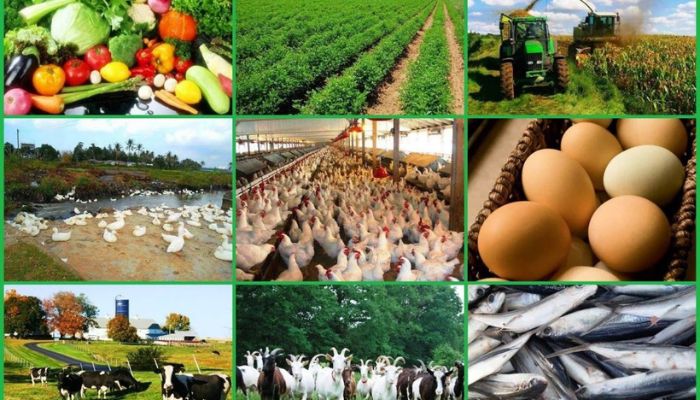
From crop to livestock and aquaculture production, there are numerous opportunities across the various agricultural value chains.
BusinessDay, in its usual manner, will be taking a look at five promising agribusiness ideas in 2025 that offer strong potential for profitability and long-term sustainability. In no particular order they are:
Read also: AfDB plans $1 billion financing to boost agribusiness in Nigeria

Livestock farming
Livestock farming remains a robust industry, particularly in dairy production, and poultry production. As the population grows and demand for high-protein foods rises, these sectors are expected to continue expanding.
In 2025, there will likely be a growing interest in ethical and sustainable farming practices, such as organic feed, enhanced animal welfare, and environmentally conscious farming methods.
Additionally, there could be substantial financial opportunities in purchasing value-added products like sustainably farmed seafood, free-range chicken, and organic dairy.
Ginger farming

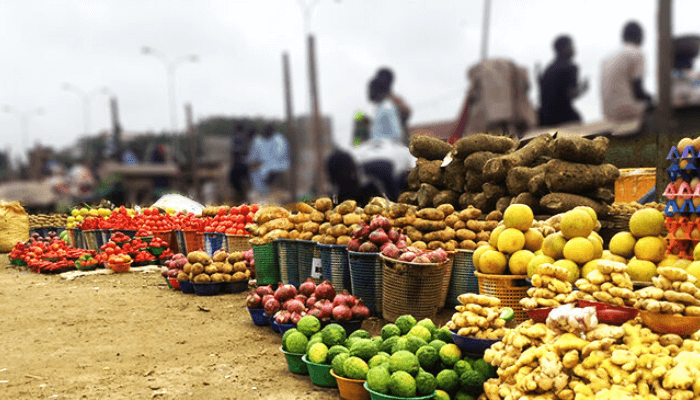
Ginger is a key cash crop in Nigeria, which ranks as the world’s third-largest producer and exporter, following India and China.
Renowned for its unique aroma, pungency, high oil content, and low fibre, Nigerian ginger is in high demand globally. Currently, a ton of ginger is priced at N15 million, about 13.3 per cent higher than cocoa.
With its ease of cultivation and potential return on investment of up to 300 per cent, ginger offers lucrative opportunities for farmers.
Palm oil exports
Palm oil offers a promising opportunity for Nigerian agroprenuers to access global markets. However, succeeding in this competitive international arena requires more than just enthusiasm—it necessitates thorough planning, stringent quality control, and overcoming logistical and financial challenges.
Before entering the business, it is essential to conduct market research, ensure proper documentation with relevant legal authorities, develop an effective marketing strategy, identify reliable supply sources, and focus on quality packaging and clear labelling.
Read also: Here are five ways to manage poultry heat stress
Food processing
The food processing sector offers numerous opportunities for entrepreneurs to add value to raw agricultural products. Food processing involves creating items with longer shelf lives and higher market value, coffee, ginger spices, hibiscus powder, yam flour, and cassava flakes among others.
With the rising demand for convenient and healthy meal options, investing in a food processing business can be highly profitable. In a competitive market, focusing on locally sourced and organic ingredients can further differentiate your products and appeal to health-conscious consumers.
Hydroponic Farming
Hydroponic farming offers a solution for growing plants in urban areas with limited land, using nutrient-rich water instead of soil. This method allows crops to grow faster and use less water, making it ideal for high-value crops like lettuce, tomatoes, and strawberries.
The scalability of hydroponic systems enables year-round production under controlled climate conditions. As demand for fresh, sustainably grown produce continues to rise, hydroponics is poised to remain a profitable and innovative sector in agriculture.